Master Kush – Informational Overview and Strain Background
Understanding the Background of Master Kush
Master Kush is widely recognized within cannabis culture as a classic indica-dominant strain associated with earthy aromas, dense flower structure, and traditional cultivation history. Over the years, the strain has gained attention among cultivators, researchers, and cannabis enthusiasts because of its recognizable profile and long-standing presence in regulated cannabis discussions. Although many modern hybrids dominate contemporary markets, Master Kush continues to hold relevance due to its heritage and distinctive characteristics.
The origins of Master Kush are often connected to the Hindu Kush mountain region, an area historically associated with cannabis cultivation. Consequently, many discussions surrounding the strain focus on traditional genetics and regional influence. The strain name itself reflects this heritage connection, while cultivation narratives frequently emphasize its strong structural growth and recognizable resin production.
Cannabis strains vary significantly in aroma, cannabinoid composition, growth structure, and terpene content. Therefore, Master Kush is commonly examined through several categories, including cultivation behavior, terpene expression, visual appearance, and storage requirements. In regulated markets, strain information may also include laboratory testing details and cannabinoid percentages, although these values differ between producers and growing conditions.
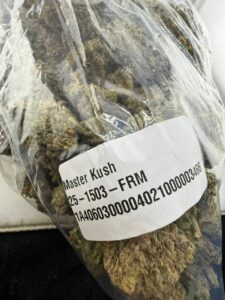
Aroma and Flavor Characteristics
Master Kush is frequently associated with earthy, woody, and herbal aromatic notes. In addition, some batches may display subtle citrus, spice, or pine-like characteristics depending on terpene preservation and cultivation methods. Because terpene composition changes according to environmental conditions, aroma intensity may differ between harvests.
Terpenes are naturally occurring aromatic compounds found in cannabis and many other plants. These compounds contribute to scent complexity and sensory perception. Furthermore, environmental factors such as humidity, temperature, soil composition, and curing practices can influence terpene retention during cultivation and post-harvest processing.
Many discussions about Master Kush mention a dense and rich aroma profile rather than a sweet or fruit-heavy presentation. As a result, the strain is often categorized among traditional earthy cannabis varieties instead of dessert-inspired hybrids. However, terpene outcomes remain highly dependent on cultivation techniques and phenotype variation.
Appearance and Flower Structure
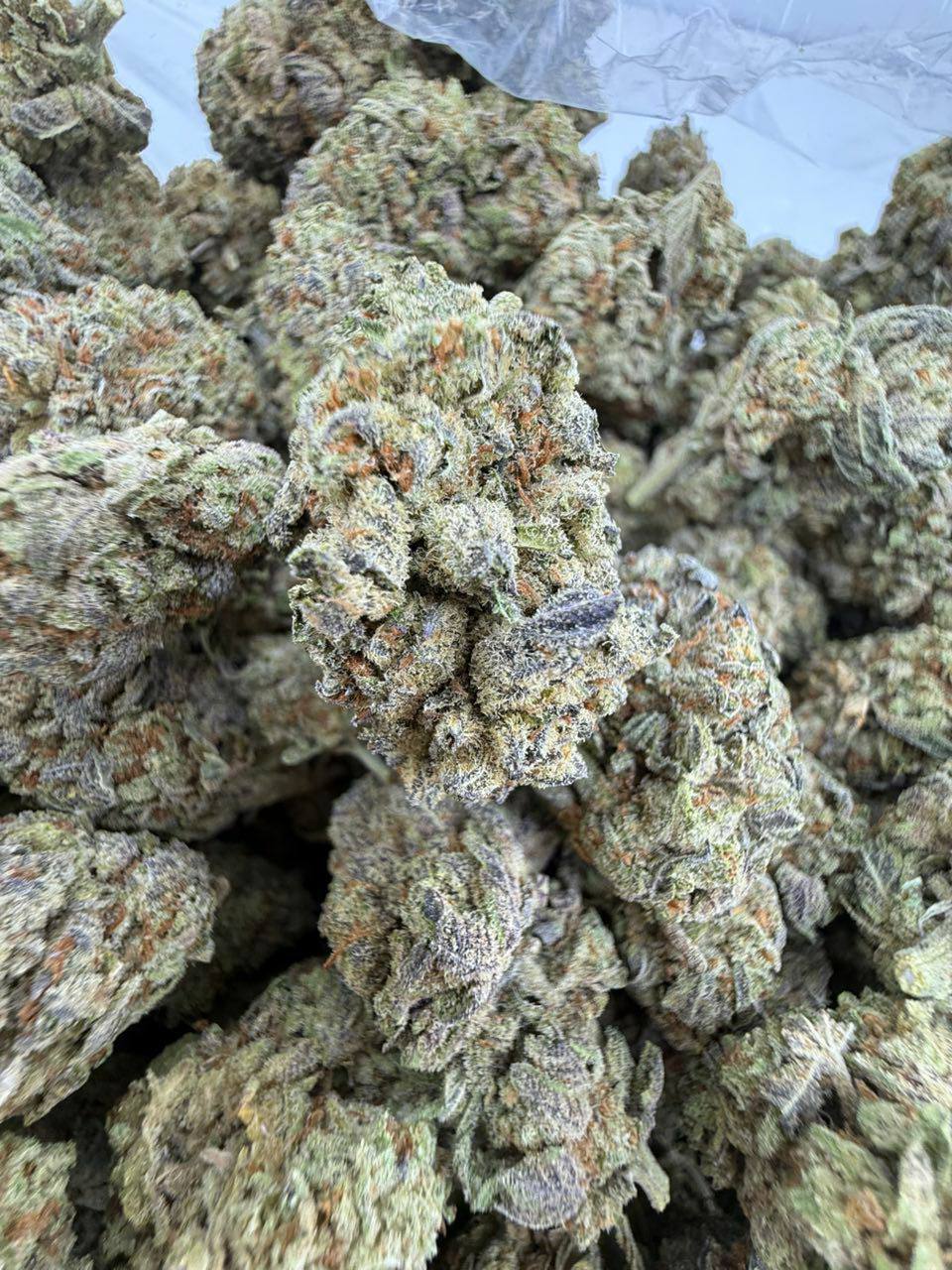
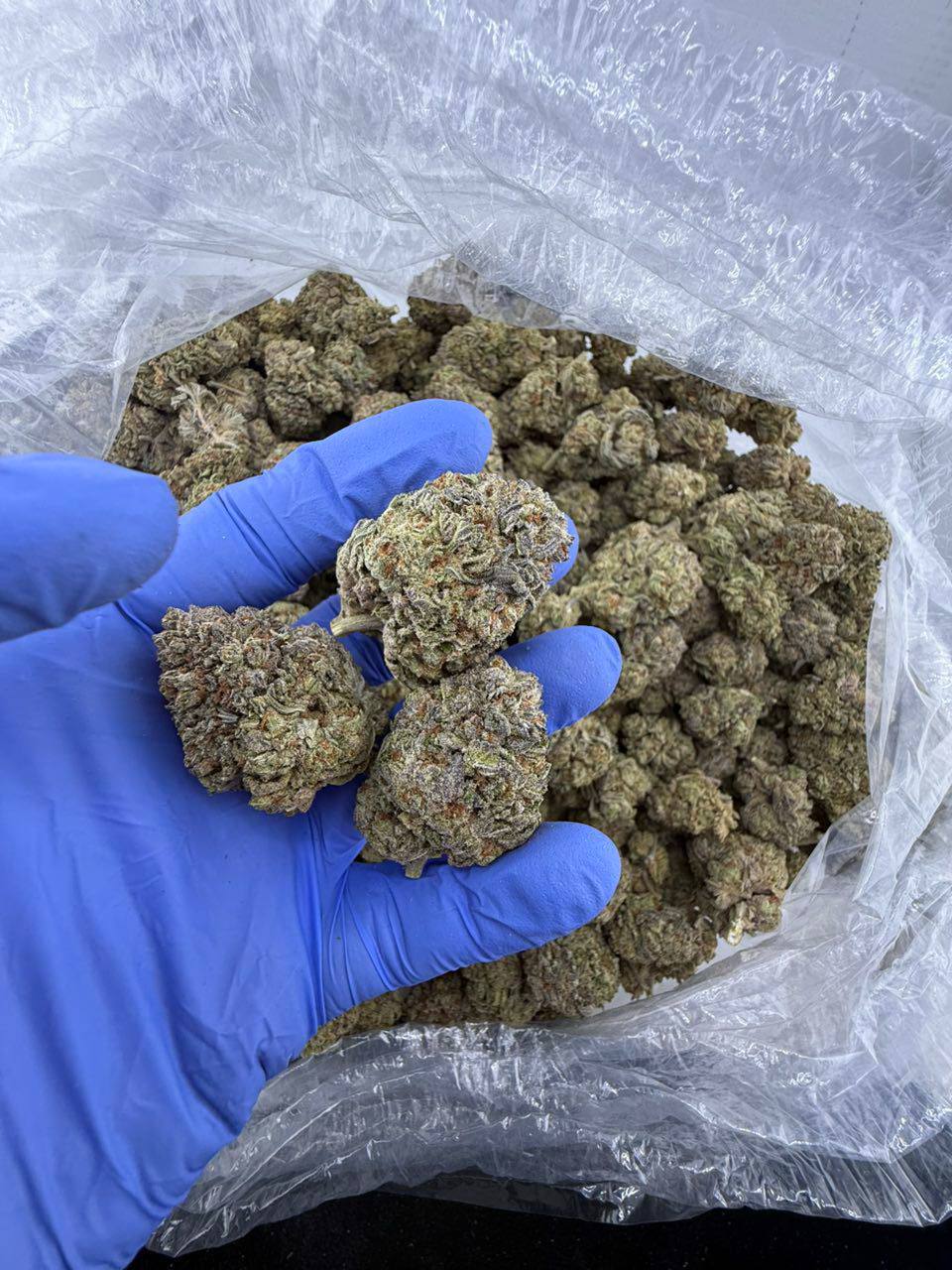
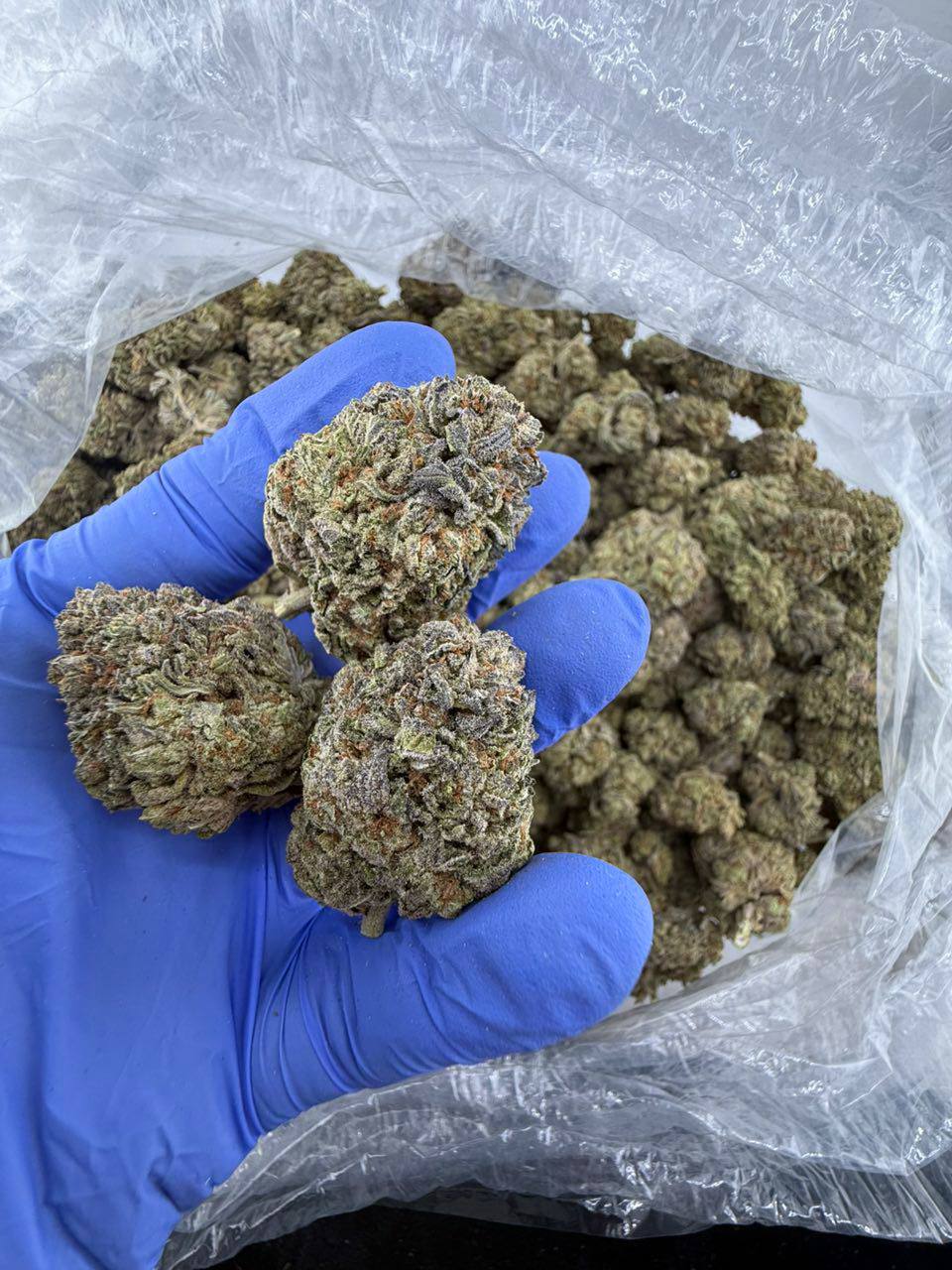
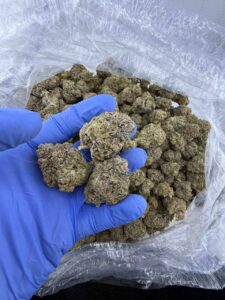
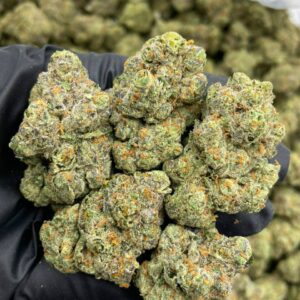
The visual appearance of Master Kush typically includes compact flower formations with visible trichome coverage. In many cultivation examples, the buds appear dense and resinous, while coloration may range between medium green and darker olive tones. Additionally, orange or amber pistils are commonly visible throughout mature flower structures.
Lighting conditions, nutrient schedules, and drying procedures can all influence final appearance. Therefore, flower density and coloration often vary between indoor and outdoor cultivation environments. Some growers focus on maximizing trichome retention during harvest because resin preservation contributes to visual appeal and terpene stability.
Trichomes are small resin glands that develop across cannabis flowers and leaves. These structures contain cannabinoids and aromatic compounds. Consequently, trichome density frequently becomes a major point of discussion among cultivators evaluating plant maturity and post-harvest quality.
Cultivation Considerations
Master Kush is often discussed within cultivation communities because of its manageable growth structure and adaptability to controlled environments. Indoor growers frequently monitor humidity and airflow carefully because dense flower development may increase moisture retention risks during late flowering stages.
Environmental stability plays an important role throughout cannabis cultivation. Temperature fluctuations, lighting intensity, nutrient balance, and irrigation schedules all influence plant health and structural development. Moreover, proper airflow management supports consistency during flowering cycles.
Some cultivation reports describe Master Kush plants as relatively compact compared with taller sativa-dominant varieties. Therefore, indoor growers sometimes prefer this growth pattern when working within limited vertical space. Outdoor results, however, may vary significantly depending on climate conditions and seasonal transitions.
Harvest timing also affects cannabinoid and terpene outcomes. Cultivators often monitor trichome maturity closely because harvest windows influence aroma preservation and overall composition. In addition, curing practices contribute to moisture stabilization and long-term storage quality.
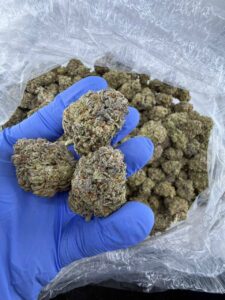
The Role of Terpenes
Terpenes remain central to discussions surrounding cannabis aroma and sensory differentiation. In Master Kush, earthy and woody terpene expressions are commonly referenced in cultivation literature and strain databases. Some terpene combinations may also contribute to spice-forward or herbal impressions depending on preservation quality.
Several terpenes appear frequently in cannabis analysis reports. Myrcene, caryophyllene, and limonene are among the most discussed compounds across many cannabis varieties. However, concentration levels vary substantially between harvests and cultivation environments.
Because terpene preservation depends heavily on post-harvest handling, storage practices often receive significant attention. Excessive heat, oxygen exposure, and direct light can gradually affect aromatic intensity. Consequently, airtight storage containers and temperature-controlled conditions are widely recommended for maintaining flower stability.
Storage and Preservation
Proper storage conditions help preserve moisture balance and terpene integrity over time. Many cannabis products are stored in sealed containers designed to reduce oxygen exposure and environmental fluctuations. Furthermore, cool and dry environments may help maintain product consistency during extended storage periods.
Humidity management remains another important consideration. Excessive moisture may contribute to contamination risks, while overly dry conditions can affect texture and aroma retention. Therefore, controlled storage environments are commonly recommended across regulated cannabis industries.
Glass containers are frequently preferred for flower storage because they provide stable environmental protection without significantly affecting aroma. Additionally, opaque packaging may reduce light exposure and support longer-term preservation outcomes.
Packaging and Compliance Standards
Cannabis packaging regulations differ significantly between jurisdictions. In regulated markets, packaging often includes laboratory testing information, cannabinoid percentages, ingredient details, and safety warnings. Moreover, child-resistant packaging requirements frequently apply to cannabis flower and concentrate products.
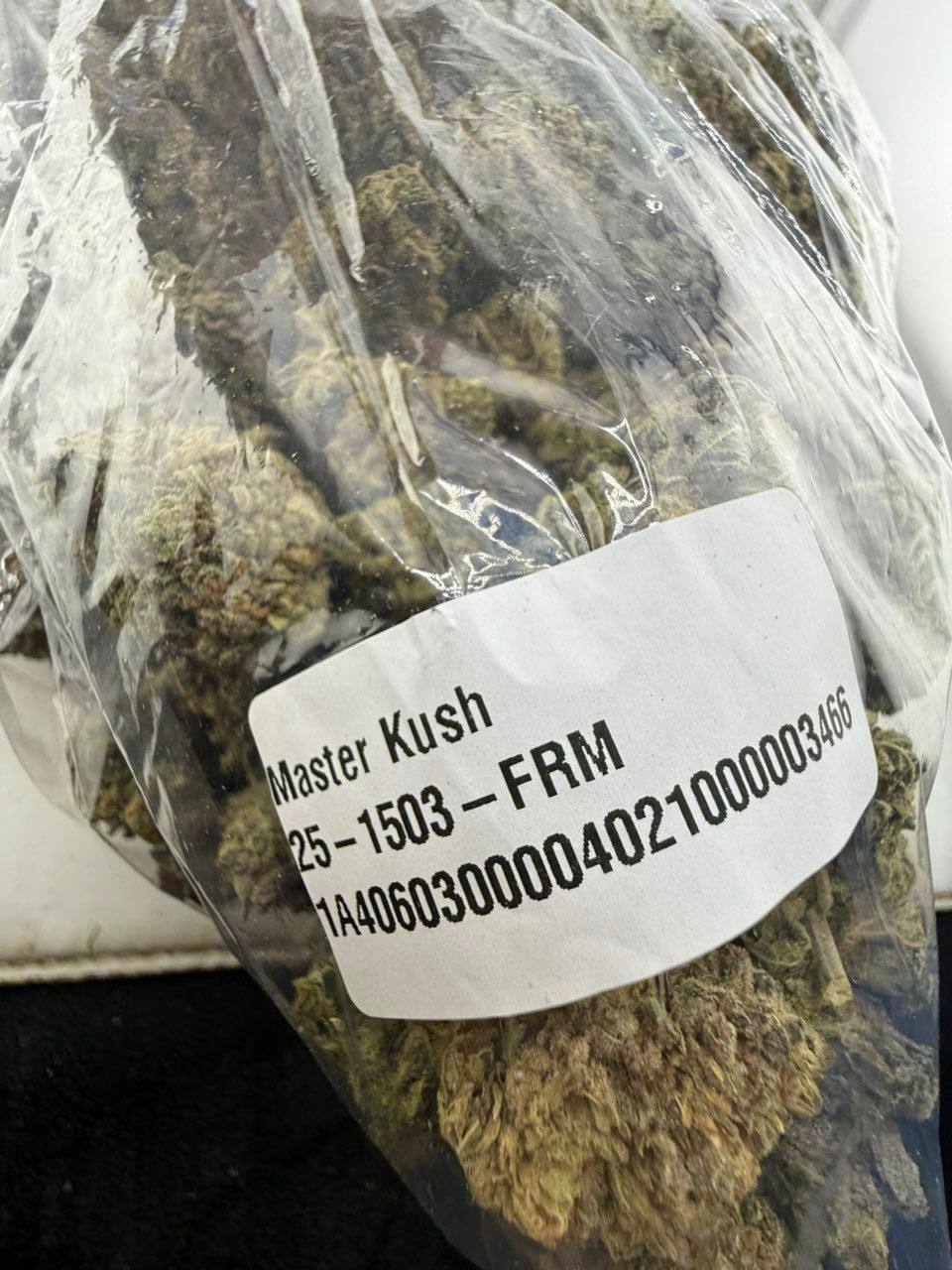
Batch tracking systems have also become increasingly common throughout regulated industries. Manufacturers and cultivators may include lot numbers, QR verification systems, or serialized labels intended to improve transparency and traceability. Consequently, consumers often review authenticity indicators before purchasing regulated cannabis products.
Laboratory testing procedures commonly screen for microbial contaminants, pesticides, heavy metals, and cannabinoid potency. Because of these standards, many consumers rely on certificates of analysis when evaluating regulated cannabis products.
Historical Context and Popularity
Master Kush gained popularity during earlier stages of modern cannabis culture and remains recognizable among long-established strain names. While newer hybrid varieties continue to emerge, traditional strains often retain historical importance due to their role in breeding programs and cultivation development.
Cannabis breeding has evolved substantially over recent decades. Breeders frequently combine strains to explore terpene variation, cannabinoid expression, and structural characteristics. As a result, many contemporary hybrids trace portions of their lineage to older and widely recognized genetics.
The continued discussion surrounding Master Kush reflects broader interest in classic cannabis varieties and regional heritage strains. In addition, cannabis historians and cultivators often reference traditional genetics when examining the development of modern hybrid markets.
Indoor and Outdoor Cultivation Environments
Indoor cultivation environments allow growers to manage lighting schedules, humidity levels, and airflow with greater precision. Therefore, indoor cultivation is frequently associated with controlled environmental consistency. Growers may use specialized lighting systems and ventilation equipment to support stable development throughout vegetative and flowering stages.
Outdoor cultivation, however, introduces environmental variability connected to weather conditions, seasonal changes, and regional climate patterns. Consequently, outdoor cultivation outcomes may differ substantially between geographic regions and harvest periods.
Greenhouse cultivation represents another approach that combines natural sunlight with environmental management systems. This method often provides additional flexibility while still allowing growers to monitor temperature and humidity more effectively than fully outdoor operations.
Flower Density and Resin Development
Dense flower structure is commonly associated with indica-dominant cannabis varieties, including Master Kush. Resin development often becomes more visible during later flowering stages as trichome production increases across bud surfaces. In addition, growers frequently monitor environmental conditions carefully to support stable resin preservation.
Nutrient schedules and irrigation practices can also influence structural development. Balanced feeding programs are generally considered important for maintaining plant health during different growth stages. However, cultivation outcomes vary according to genetics, environment, and grower methodology.
Drying and curing procedures further affect final texture and aroma quality. Slow and controlled curing environments are commonly discussed because rapid drying may reduce terpene retention. Consequently, post-harvest handling remains a major focus within cultivation communities.
Consumer Interest and Market Recognition
Within regulated markets, recognizable strain names often contribute to consumer familiarity and product identification. Master Kush continues to appear in dispensary menus, cultivation databases, and educational cannabis resources because of its longstanding reputation and historical relevance.
Cannabis consumers frequently compare strains according to aroma, appearance, cannabinoid composition, and cultivation background. Therefore, informational strain profiles often include details related to terpene expression, environmental adaptability, and lineage discussions.
Market recognition may also influence breeding programs and hybrid development. Breeders sometimes reference established strains when exploring new combinations intended to preserve or modify specific characteristics.
Responsible Awareness and Legal Considerations
Cannabis laws vary significantly across countries, states, and municipalities. Therefore, possession, cultivation, transportation, and distribution regulations differ according to jurisdiction. Consumers and cultivators are generally encouraged to review local laws carefully before engaging with cannabis-related products or activities.
Age restrictions commonly apply within regulated cannabis markets. In addition, public consumption regulations and transportation limitations may affect legal accessibility. Because legal frameworks continue to evolve, regulatory updates remain an important consideration throughout the cannabis industry.
Responsible storage practices are also emphasized within compliance discussions. Cannabis products should generally remain inaccessible to children and pets, while damaged or contaminated products should not be used.
Final Overview
Master Kush remains one of the more widely recognized traditional cannabis strain names associated with earthy aromas, dense flower structure, and historical cultivation relevance. Discussions surrounding the strain frequently highlight terpene preservation, resin production, and cultivation adaptability. Furthermore, the strain continues to appear within educational cannabis resources and regulated market conversations due to its longstanding recognition.
This article is intended strictly for informational and educational purposes. It does not encourage cannabis use, provide medical claims, or promote the sale or consumption of cannabis products.
Post-Harvest Processing and Product Stability
Post-harvest handling plays an essential role in maintaining flower quality and preserving terpene composition. After harvesting, cultivators typically begin a controlled drying phase intended to reduce internal moisture gradually. Because moisture balance directly affects texture and stability, drying environments are usually monitored carefully.
Temperature and humidity influence preservation outcomes throughout the curing process. Excessive heat may reduce aromatic intensity over time, while uncontrolled humidity can create storage complications. Consequently, many cultivation facilities rely on climate-controlled rooms to support consistency during post-harvest preparation.
Curing often continues for several weeks depending on production goals and storage preferences. During this period, cannabis flower may develop smoother texture characteristics and more balanced aroma expression. Furthermore, controlled curing procedures may contribute to long-term storage stability when environmental conditions remain consistent.
Storage containers also affect preservation quality. Airtight glass jars are frequently preferred because they reduce unnecessary oxygen exposure while helping maintain environmental balance. Additionally, opaque containers can assist with light protection during extended storage periods.
Environmental Influence on Cultivation Outcomes
Cannabis cultivation outcomes are strongly influenced by environmental variables. Lighting intensity, nutrient availability, irrigation schedules, and airflow patterns all contribute to structural development and terpene preservation. Therefore, cultivators often monitor environmental data closely throughout the growth cycle.
Indoor cultivation environments provide greater control over temperature and humidity levels. Because of this controlled structure, growers may achieve more consistent harvest characteristics across multiple production cycles. However, indoor systems also require significant energy management and equipment maintenance.
Outdoor cultivation introduces seasonal variability connected to rainfall, sunlight exposure, and regional climate conditions. Consequently, outdoor-grown cannabis may display wider phenotype variation depending on environmental stress factors and weather patterns.
Greenhouse cultivation combines natural sunlight with controlled environmental management systems. This hybrid approach allows cultivators to regulate airflow and humidity more effectively while still utilizing solar lighting conditions. As a result, greenhouse production remains popular across many regulated cultivation regions.
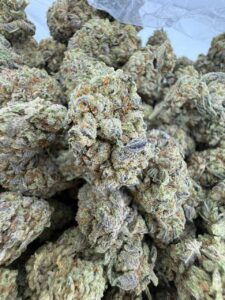
Trichome Development and Resin Preservation
Trichomes are microscopic resin glands that develop across cannabis flowers and surrounding leaves. These structures contain cannabinoids, terpenes, and aromatic compounds that contribute to overall plant composition. In Master Kush discussions, trichome density is frequently referenced because resin coverage influences both appearance and aroma retention.
During late flowering stages, cultivators often examine trichome maturity closely. Color transitions within trichome heads may indicate developmental changes that influence harvest timing decisions. Additionally, environmental stress and handling methods can affect trichome preservation after harvest.
Careful trimming procedures are commonly used to reduce unnecessary resin loss. Mechanical handling may damage delicate trichome structures if processing conditions are not properly managed. Therefore, many growers prioritize gentle post-harvest handling methods intended to maintain surface integrity.
Cannabis Genetics and Hybrid Development
Cannabis genetics continue to evolve through extensive hybridization and selective breeding. Traditional strains such as Master Kush are frequently discussed because they contributed to the foundation of many contemporary hybrids. Consequently, heritage genetics remain important within cultivation history and breeding research.
Breeders often select parent plants according to structural traits, aroma characteristics, growth efficiency, and cannabinoid expression. Through repeated selection cycles, cultivators may stabilize specific traits intended to support consistency across future generations.
Phenotype variation occurs naturally within cannabis cultivation. Even seeds originating from the same genetic line may produce slightly different growth patterns, terpene profiles, and structural characteristics. Therefore, growers frequently identify preferred phenotypes for cloning and long-term cultivation programs.
Cloning allows cultivators to preserve selected plant characteristics through vegetative propagation. Because cloned plants originate from a single mother plant, growers may achieve greater consistency across cultivation cycles. However, environmental conditions still influence final outcomes despite genetic similarity.
The Importance of Laboratory Testing
Laboratory analysis represents a major component of regulated cannabis industries. Testing procedures commonly evaluate cannabinoid concentration, terpene composition, microbial contamination, residual solvents, pesticides, and heavy metals. As a result, compliance standards play an important role in product transparency and consumer safety discussions.
Certificates of analysis often accompany regulated cannabis products in licensed markets. These documents provide information regarding laboratory screening results and batch identification details. Furthermore, many packaging systems now include QR codes that allow consumers to access testing information digitally.
Testing requirements vary significantly between jurisdictions. Some regions maintain extensive screening protocols, while others apply more limited standards depending on local regulatory frameworks. Consequently, product labeling requirements differ across markets and distribution systems.
Packaging Design and Industry Trends
Cannabis packaging has evolved substantially as regulations and consumer expectations continue to change. Early packaging systems often focused primarily on storage protection, whereas modern designs increasingly emphasize compliance, sustainability, and product verification.
Child-resistant packaging standards are commonly required in regulated markets. These designs are intended to reduce accidental access while maintaining storage stability. In addition, warning labels and ingredient disclosures frequently appear on external packaging surfaces.
Sustainability discussions have also influenced packaging development. Some manufacturers now explore recyclable materials, biodegradable components, and reduced-plastic alternatives intended to minimize environmental impact. However, compliance requirements sometimes limit available packaging options due to safety regulations.
Brand identity remains another major packaging consideration within regulated industries. Typography, labeling structure, and container presentation often contribute to product recognition and organizational consistency. Nevertheless, marketing restrictions may limit visual advertising elements depending on regional laws.
Consumer Education and Product Transparency
Educational resources continue to expand throughout the cannabis industry as regulatory systems mature. Consumers frequently seek information regarding cannabinoids, terpene profiles, extraction methods, and cultivation practices before evaluating cannabis products. Therefore, educational content has become increasingly important across dispensaries, cultivation facilities, and industry publications.
Transparency initiatives also play a growing role within regulated markets. Producers may disclose cultivation methods, testing procedures, sourcing practices, and environmental management strategies to improve consumer understanding. Consequently, product traceability systems continue to gain relevance throughout supply chains.
Digital verification systems are becoming more common as technology integration increases. QR codes, serialized packaging labels, and batch tracking software may help consumers confirm product authenticity and access laboratory documentation more efficiently.
Cannabis Industry Regulation and Market Development
Cannabis regulation differs substantially across global regions. Some jurisdictions permit limited medical access, while others authorize broader adult-use markets under strict compliance frameworks. Consequently, cultivation, packaging, transportation, and retail standards vary significantly according to local law.
Regulatory agencies frequently update policies related to labeling, testing, advertising, and environmental safety. Because legal systems continue evolving, cannabis businesses often adapt operational procedures to maintain compliance with changing standards.
Licensed cultivation facilities generally operate under monitored production guidelines that address sanitation, product handling, and environmental controls. In addition, transportation and storage regulations commonly apply throughout distribution networks.
International cannabis policy discussions continue to influence market expansion and research accessibility. Some countries maintain strict prohibition systems, whereas others allow limited research programs or regulated commercial distribution. Therefore, legal accessibility remains highly region-dependent.
Aroma Preservation and Long-Term Storage
Aroma preservation remains one of the most discussed aspects of cannabis storage. Terpenes are volatile compounds, meaning environmental exposure may gradually alter aromatic intensity over time. Consequently, storage management plays an important role in maintaining consistency.
Light exposure can contribute to cannabinoid degradation and terpene reduction. Therefore, opaque storage containers are frequently recommended for long-term preservation. Additionally, temperature stability supports improved storage outcomes by reducing environmental stress on plant material.
Vacuum-sealed storage systems are also used in some commercial operations. These systems reduce oxygen exposure while helping maintain freshness during transportation and inventory management. However, excessive compression may affect flower structure depending on packaging methods.
Cultural Recognition and Historical Influence
Traditional cannabis strains often maintain cultural recognition because of their influence on breeding history and cultivation development. Master Kush continues to appear within cannabis discussions due to its established reputation and longstanding presence in cultivation communities.
Cannabis culture has evolved significantly over recent decades as legalization movements, scientific research, and commercial markets expanded globally. Consequently, heritage strains are frequently revisited within educational resources examining industry development and genetic lineage.
Collectors and cultivators sometimes preserve traditional genetics through seed banks and cloning programs. Because hybridization continues rapidly across modern markets, preservation efforts may support long-term access to older strain characteristics and cultivation history.
Final Educational Summary
Master Kush remains associated with classic cannabis cultivation discussions centered on earthy terpene profiles, dense flower structure, and traditional genetic heritage. Cultivators and educational resources frequently reference the strain when discussing resin preservation, post-harvest handling, and historical breeding influence.
Environmental management, laboratory testing, packaging standards, and storage practices all contribute to the broader understanding of cannabis product quality and industry regulation. Furthermore, ongoing research and evolving compliance systems continue shaping how cannabis products are cultivated, processed, and distributed across regulated markets.
This informational content is provided strictly for educational purposes. It does not promote cannabis use, encourage product consumption, or provide medical advice regarding cannabis-derived products.
Reviews
There are no reviews yet.