Rainbow Z Runtz: Genetics, Aroma Profile, and Cultural Significance in Modern Cannabis Breeding
Introduction to Rainbow Z Runtz in Cannabis Culture
Rainbow Z Runtz is widely discussed within modern cannabis circles as part of the broader “dessert strain” lineage. Over the past decade, hybrid naming conventions have evolved significantly, and this strain sits at the intersection of branding creativity and genetic experimentation. Although many consumers encounter the name in dispensary menus or online catalogs, its meaning extends beyond a simple label.
In contemporary cannabis culture, strains like Rainbow Z Runtz represent a shift toward exotic hybrids. These hybrids are often associated with colorful bag appeal, layered aroma profiles, and complex terpene expressions. However, the classification system behind such strains remains informal and heavily influenced by breeder naming practices.
Understanding Rainbow Z Runtz requires looking at its genetic background, sensory characteristics, cultivation tendencies, and cultural relevance. Additionally, its name reflects broader trends in cannabis marketing language, where fruit-inspired and candy-inspired terms dominate.

Genetic Lineage and Background of Rainbow Z Runtz
Rainbow Z Runtz is generally understood to be part of the extended Runtz family, a lineage that has influenced many hybrid variations. The original Runtz strain itself was popularized through a cross between Zkittlez and Gelato, two strains known for strong aromatic profiles and balanced hybrid effects.
Over time, breeders expanded this genetic base, producing variations that emphasize different traits such as color expression, terpene intensity, or resin production. Rainbow Z Runtz is often described as a further evolution within this family, although exact lineage can vary depending on the breeder.
In many cases, hybrid strains are not genetically standardized across all sources. Instead, naming conventions are used more as branding tools than strict botanical identifiers. As a result, Rainbow Z Runtz may differ slightly between cultivation batches or regional producers.
Despite this variability, the strain is consistently grouped within the “Z” and “Runtz” hybrid category, which is known for sweet, fruity aromatic profiles and visually vibrant flower structures.
Appearance and Visual Characteristics
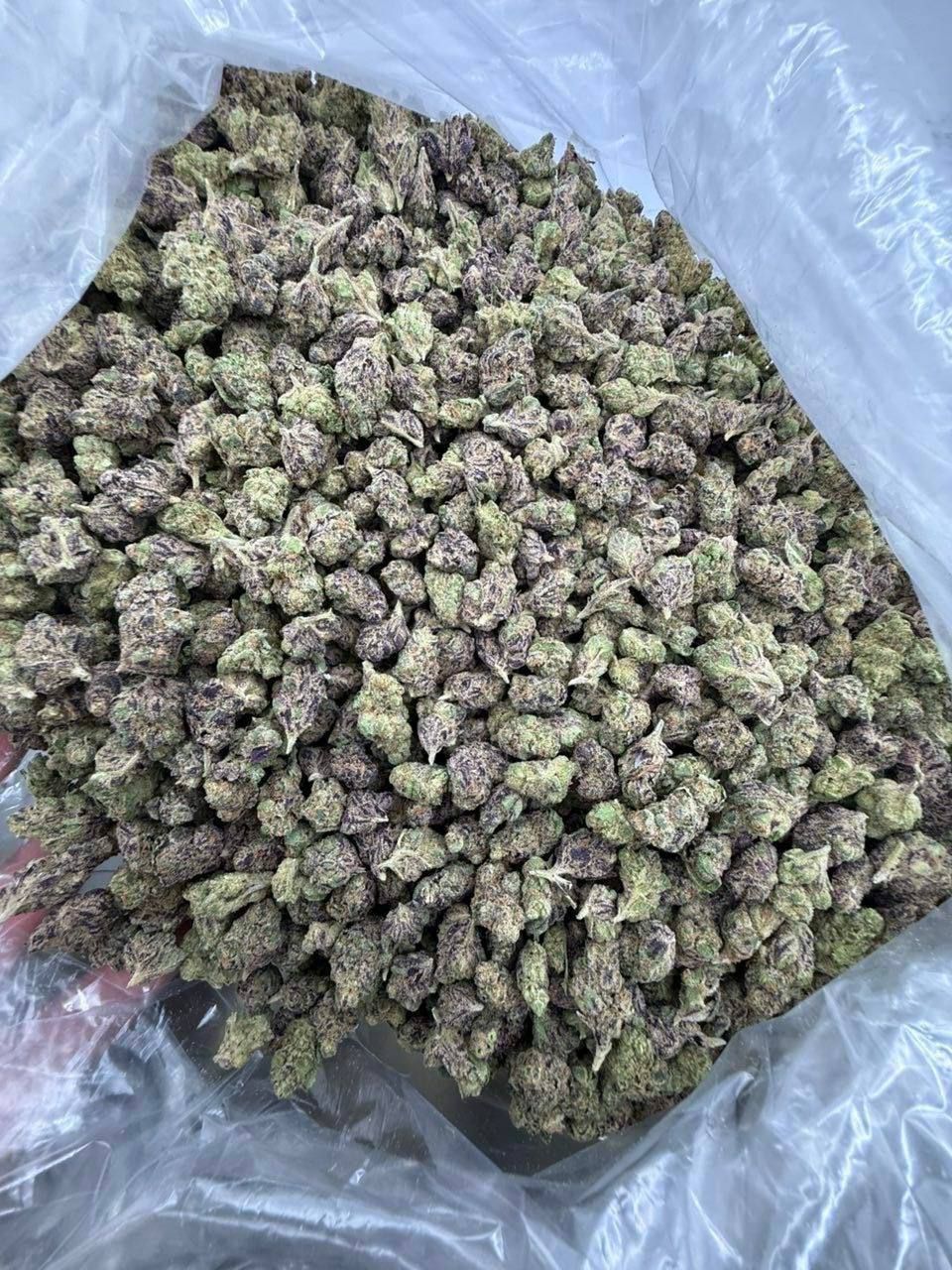
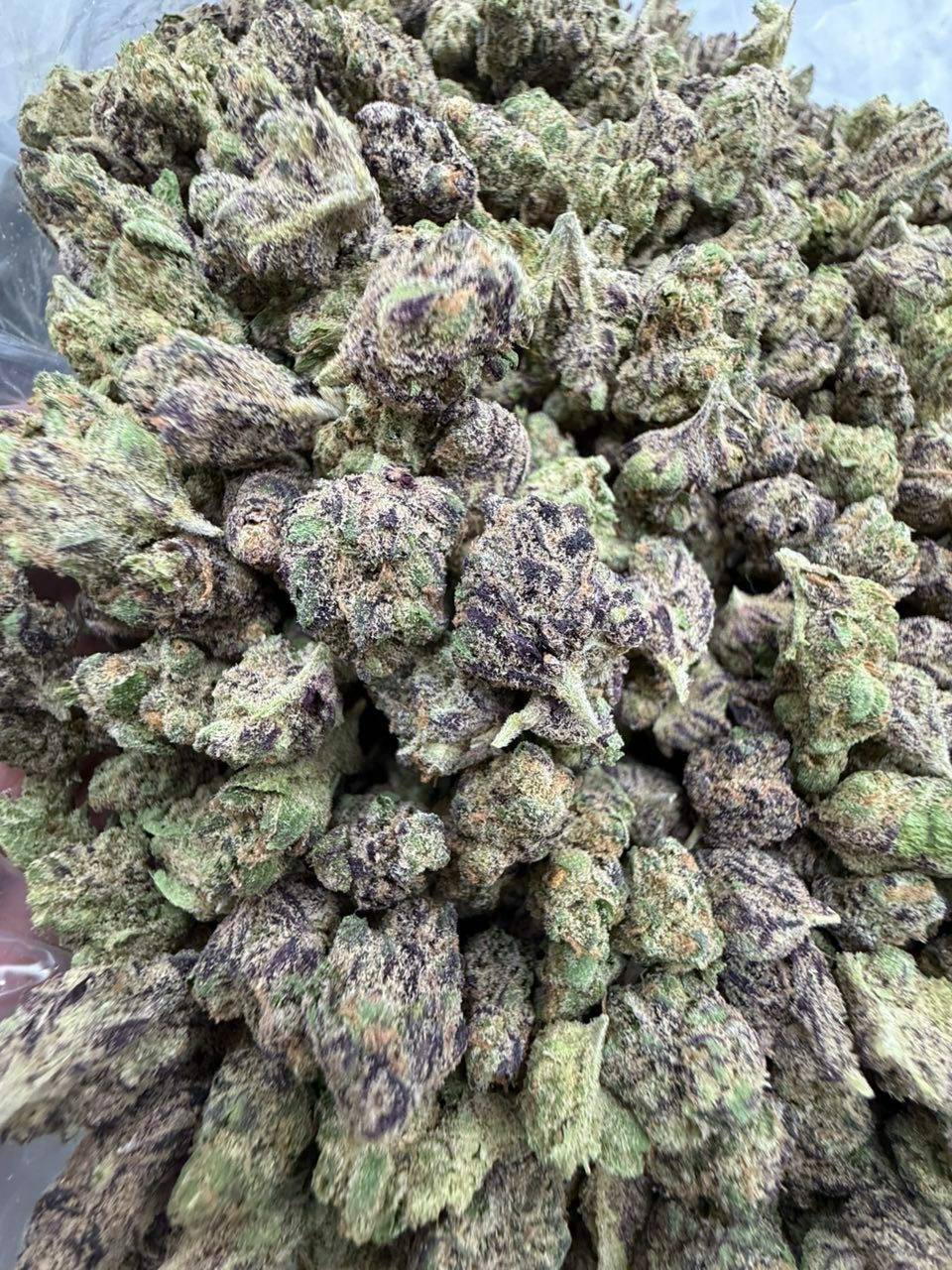
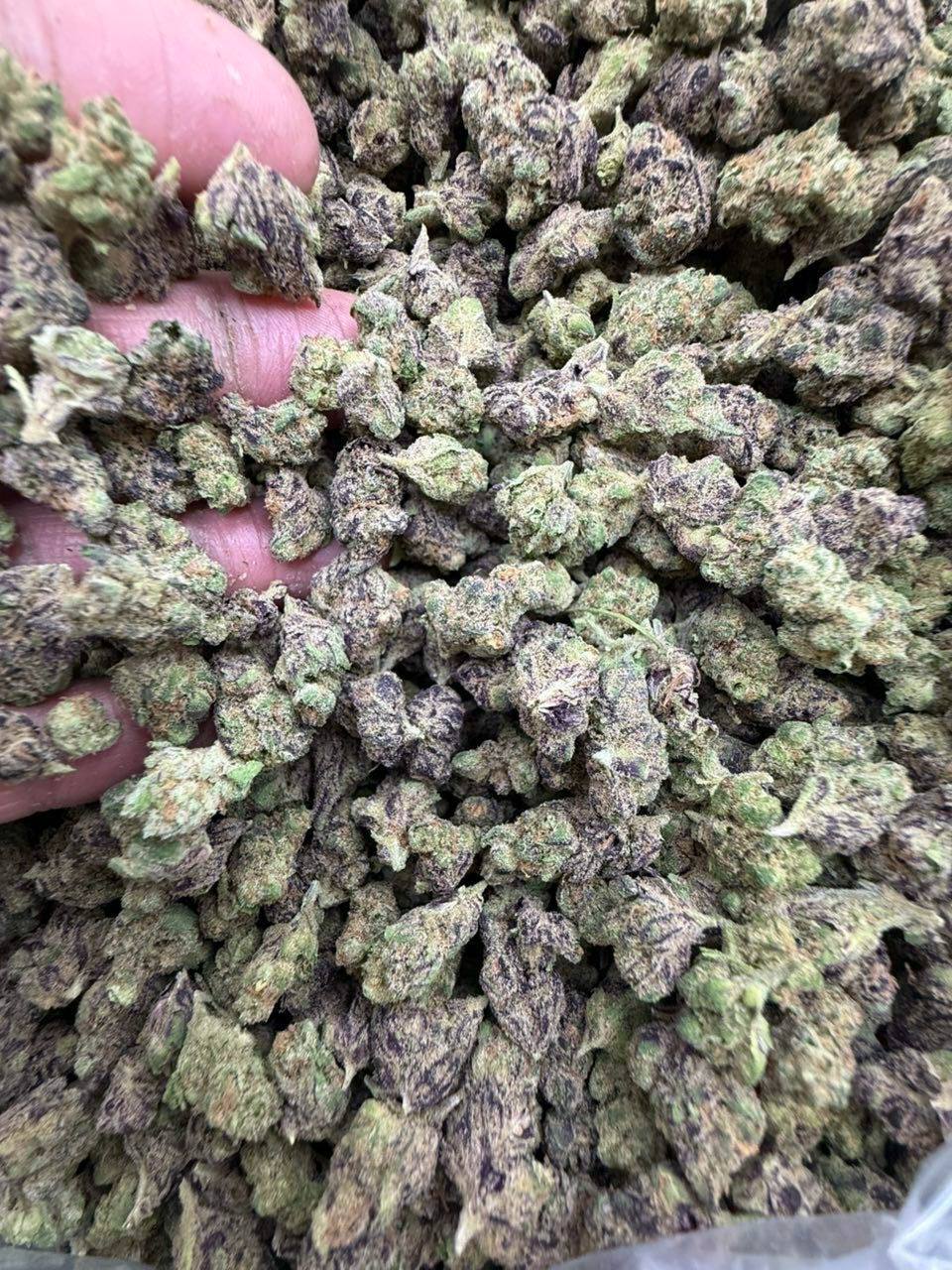
One of the defining aspects commonly associated with Rainbow Z Runtz is its visual appeal. Many growers and observers describe dense buds with a mix of deep green tones, purple hues, and bright orange pistils.
These color variations are influenced by multiple factors, including genetics, temperature changes during cultivation, and anthocyanin expression. When grown under cooler conditions, purple coloration often becomes more pronounced, contributing to the “rainbow” aesthetic implied by the strain name.
Additionally, the surface of the flower is frequently covered in trichomes. These crystalline structures contain cannabinoids and terpenes, and they contribute to the strain’s sticky texture and frosted appearance.
Although appearance alone does not determine quality, visual characteristics play a major role in how modern cannabis strains are perceived in the marketplace.

Aroma Profile and Flavor Complexity
Rainbow Z Runtz is typically associated with a complex aromatic profile that blends sweet, fruity, and candy-like notes. This sensory profile is one of the key reasons strains in the Runtz family gained popularity.
Commonly reported aroma notes include tropical fruit, berry sweetness, citrus undertones, and subtle earthy or herbal layers. These characteristics are influenced by terpene composition, particularly compounds such as limonene, myrcene, and caryophyllene.
When consumed in flower form, the flavor often mirrors the aroma. However, variations can occur depending on curing methods, cultivation conditions, and storage practices.
Although these sensory descriptors are widely reported, it is important to note that perception can vary significantly between individuals. Genetics influence terpene expression, but environmental factors also play a major role in final flavor outcomes.
Terpene Composition and Chemical Overview
The terpene profile of Rainbow Z Runtz is generally believed to contribute heavily to its aroma complexity. Terpenes are aromatic compounds found in many plants, not just cannabis, and they play a key role in scent differentiation.
Limonene is often associated with citrus-like notes, while myrcene contributes earthy and musky undertones. Caryophyllene adds a peppery or spicy layer, which can balance sweetness in the overall profile.
These compounds interact with cannabinoids such as THC and CBD, although the exact effects of these interactions are still studied under the “entourage effect” theory. This theory suggests that cannabis compounds may work together to influence the overall experience.
Because terpene levels can vary based on cultivation methods, Rainbow Z Runtz grown in different environments may exhibit slightly different aromatic profiles.
Cultivation Characteristics and Growth Behavior
Rainbow Z Runtz, like many modern hybrids, is generally considered moderately challenging to cultivate. Growers often pay close attention to environmental conditions to preserve its color expression and terpene richness.
Indoor cultivation is commonly preferred because it allows precise control over temperature, humidity, and lighting. These factors can significantly influence bud structure and resin development.
Flowering time for similar hybrid strains typically ranges between 8 to 10 weeks, although this can vary depending on phenotype selection. Some phenotypes may develop more slowly due to genetic variability.
While high-quality yields can be achieved under optimal conditions, careful nutrient management is required. Overfeeding or environmental stress can reduce terpene clarity and affect overall bud quality.
Cultural Popularity and Market Naming Trends
Rainbow Z Runtz belongs to a broader cultural movement in cannabis branding where strain names are designed to evoke flavor and sensory expectations. Names like “Rainbow,” “Candy,” and “Runtz” are often used to signal sweetness, color diversity, and exotic appeal.
This naming trend reflects a shift in consumer behavior. Rather than focusing solely on potency, many consumers now prioritize aroma, visual appeal, and novelty.
As a result, strains within the Runtz family have become widely recognized in both legal cannabis markets and informal discussions. Their popularity has also influenced other breeders to develop similarly styled hybrids.
However, because naming is not standardized across the industry, identical strain names may not always represent identical genetics. This makes education and transparency important for consumers and growers alike.
Consumer Perception and Experience Reports
Many consumer discussions describe Rainbow Z Runtz as a strain with a balanced hybrid profile. Reports often emphasize its sensory richness rather than any single dominant characteristic.
However, individual experiences can vary based on tolerance, consumption method, and environment. Because cannabis affects individuals differently, generalized descriptions should be interpreted cautiously.
It is also important to recognize that subjective perception plays a major role in how strains are evaluated. Aroma, flavor, and appearance often influence perceived quality as much as chemical composition.
Legal and Regional Considerations
The legal status of cannabis strains like Rainbow Z Runtz varies widely depending on jurisdiction. In some regions, cannabis is regulated for medical or recreational use, while in others it remains restricted or prohibited.
Because of this variability, discussions about specific strains should always consider local laws and regulations. Compliance frameworks also influence how strains are labeled, sold, and distributed in legal markets.
Conclusion
Rainbow Z Runtz represents a modern example of hybrid cannabis culture, where genetics, branding, and sensory appeal intersect. Its association with the broader Runtz family places it within a category of strains known for fruity aroma profiles and visually striking flower structures.
While its exact genetic makeup may vary depending on breeder and region, its cultural identity remains consistent within the evolving cannabis landscape. As cannabis breeding continues to develop, strains like Rainbow Z Runtz illustrate how naming conventions and consumer preferences shape the industry.
Comparative Analysis With Related “Z” and “Runtz” Family Strains
Rainbow Z Runtz is often discussed alongside other members of the “Z” and “Runtz” genetic family. These include strains such as Zkittlez, Gelato, and various Runtz derivatives that have appeared in different breeding programs.
Although each strain carries its own naming identity, many share overlapping genetic traits. These similarities are most noticeable in terpene expression, bud structure, and general hybrid balance.
For example, Zkittlez is frequently associated with strong fruit-forward aromatic notes. Gelato, on the other hand, is often described as creamier and more dessert-like in aroma. When these genetic influences are combined or extended through further breeding, strains like Rainbow Z Runtz are conceptualized within this flavor-driven lineage.
However, it should be emphasized that comparisons are not always scientifically precise. Because cannabis genetics are not always uniformly registered or standardized across breeders, strain-to-strain variation can occur even under the same name.
Phenotype Variation and Genetic Expression
One of the most important concepts for understanding Rainbow Z Runtz is phenotype variation. A phenotype refers to the observable traits expressed by a plant based on both genetics and environmental conditions.
Even when two plants share the same genetic label, differences in light exposure, soil composition, temperature, and nutrient availability can lead to distinct outcomes. As a result, Rainbow Z Runtz grown in one environment may look, smell, or develop differently from another batch cultivated elsewhere.
This variation contributes to both the appeal and complexity of modern cannabis cultivation. On one hand, it allows breeders to select desirable traits over time. On the other hand, it makes absolute standardization difficult in non-laboratory environments.
Therefore, strain names often serve as general identifiers rather than strict scientific classifications.
Environmental Influence on Growth and Development
Environmental control plays a significant role in shaping the final expression of Rainbow Z Runtz plants. Indoor cultivation systems allow growers to manipulate variables such as lighting cycles, humidity levels, and airflow patterns.
Temperature fluctuations can also affect pigmentation. Cooler nighttime conditions may enhance purple coloration in some phenotypes, contributing to the visually diverse “rainbow” appearance associated with the strain.
Humidity control is particularly important during flowering stages. Excess moisture can increase the risk of mold development, while overly dry conditions may reduce overall plant vigor.
Lighting technology, especially full-spectrum LED systems, is frequently used to optimize terpene retention and resin production. These controlled conditions help stabilize quality, although natural variation still exists.
Cannabinoid Composition Overview
While specific laboratory results vary by producer, Rainbow Z Runtz is typically categorized as a THC-dominant hybrid strain. Cannabinoid levels can fluctuate depending on cultivation methods and harvest timing.
THC (tetrahydrocannabinol) is the primary psychoactive compound found in most modern hybrid strains. CBD (cannabidiol), on the other hand, is usually present in lower concentrations in strains of this category.
Other minor cannabinoids, such as CBG (cannabigerol), may appear in trace amounts. These compounds are being studied for their potential roles in influencing the overall cannabinoid profile.
Although cannabinoid content is often highlighted in commercial listings, it is only one part of the plant’s chemical composition. Terpenes and flavonoids also contribute significantly to the overall sensory and chemical experience.
Post-Harvest Processing and Curing
After harvest, Rainbow Z Runtz flowers undergo a curing process designed to stabilize moisture content and enhance aromatic complexity. Proper curing is considered essential for preserving terpene integrity.
During this stage, buds are typically dried in a controlled environment before being stored in sealed containers. Gradual moisture exchange helps prevent harshness and supports smoother aroma development over time.
If curing is rushed or improperly managed, the final product may lose aromatic depth. Conversely, well-executed curing can enhance sweetness, smoothness, and overall complexity.
Although often overlooked, this stage is a critical factor in determining final quality outcomes.
Market Positioning and Industry Context
Rainbow Z Runtz exists within a highly competitive segment of the cannabis market often referred to as “exotic strains.” These strains are typically characterized by distinctive naming, strong aromatic profiles, and visually appealing flower structures.
In legal cannabis markets, exotic hybrids are often positioned at a premium tier due to their branding and perceived rarity. However, pricing and classification can vary significantly depending on region and regulatory structure.
The rise of strains like Rainbow Z Runtz reflects a broader industry trend toward experiential consumption. Rather than focusing solely on potency metrics, consumers increasingly evaluate cannabis based on sensory diversity and product identity.
This shift has influenced breeders, dispensaries, and marketers alike, leading to a proliferation of creatively named hybrid strains.
Consumer Education and Misconceptions
As with many popular hybrid strains, Rainbow Z Runtz is sometimes subject to misinformation or exaggerated claims. One common misconception is that strain names guarantee consistent effects or identical genetic outcomes across all sources.
In reality, cannabis cultivation involves numerous variables that influence final plant expression. These include environmental conditions, grower techniques, and post-harvest handling practices.
Another misconception involves the assumption that all strains with similar names are genetically identical. While naming conventions often suggest lineage connections, they are not always strictly regulated.
Because of this, consumer education plays an important role in helping individuals interpret strain information more accurately.
Sensory Evaluation Framework
When evaluating strains like Rainbow Z Runtz, experts and enthusiasts often consider multiple sensory categories. These include appearance, aroma intensity, flavor complexity, and structural density.
Appearance assessments focus on color variation, trichome coverage, and bud formation. Aroma evaluation examines the balance between sweet, fruity, earthy, and citrus-like notes.
Flavor analysis considers how closely the taste matches the aroma profile, as well as how the profile evolves during consumption.
Although subjective, these categories provide a structured way to describe and compare hybrid strains within the broader cannabis ecosystem.
The Role of Branding in Modern Cannabis Strains
Branding plays a major role in how strains like Rainbow Z Runtz are perceived in the marketplace. Unlike traditional agricultural crops, cannabis strains are often marketed using creative, non-scientific naming systems.
These names are designed to evoke sensory expectations, emotional responses, or cultural associations. As a result, strain identity is shaped as much by marketing language as by genetics.
This branding approach has contributed to the popularity of visually and linguistically distinctive strains. However, it also introduces variability in how products are represented across different regions.
Summary of Key Characteristics
Rainbow Z Runtz can be broadly summarized as a modern hybrid strain category characterized by:
- Complex fruit-forward aromatic tendencies
- Visually colorful bud structures
- Variable genetic expression depending on phenotype
- Strong association with the Runtz lineage family
- Significant influence from branding and naming trends
These characteristics collectively place it within the broader category of exotic hybrid cannabis strains that emphasize sensory diversity.
Extended Conclusion
Rainbow Z Runtz illustrates the intersection of genetics, cultivation technique, and cultural branding in modern cannabis development. While its exact genetic definition may vary across sources, its identity remains rooted in the broader Runtz and Zkittlez-inspired lineage.
As the cannabis industry continues to evolve, strains like this will likely remain central to discussions about hybridization, naming conventions, and consumer perception. Their significance extends beyond botanical classification, reflecting broader trends in how plant varieties are developed, marketed, and understood.
Genetic Stability and Breeding Challenges
Genetic stability is an important consideration in hybrid strains such as Rainbow Z Runtz. In cannabis breeding, stability refers to how consistently a plant expresses its traits across multiple generations.
In many modern hybrid lines, stability is still being refined through selective breeding. As a result, strains like Rainbow Z Runtz may exhibit slight variations in aroma, coloration, and structure depending on the breeder’s selection process.
Selective breeding is often carried out over several generations to lock in desirable traits. These may include terpene consistency, bud density, resin production, or color expression. However, because cannabis is a highly variable plant species, complete uniformity is difficult to achieve without extensive genetic stabilization.
Therefore, Rainbow Z Runtz is best understood as a flexible genetic label within a broader family rather than a fixed, universally identical cultivar.
Post-Cultivation Storage and Preservation Factors
After curing, proper storage plays a significant role in maintaining the integrity of Rainbow Z Runtz flowers. Exposure to light, oxygen, heat, and humidity can gradually degrade both cannabinoids and terpenes.
For this reason, controlled storage environments are typically used in professional settings. Airtight containers are commonly employed to reduce oxidation and preserve aromatic compounds.
Temperature stability also contributes to long-term quality retention. Excessive heat can accelerate terpene evaporation, while overly cold conditions may affect texture and moisture balance.
Although degradation is natural over time, proper storage practices can significantly slow the process and help maintain the strain’s original aromatic profile.
Sensory Development Over Time
As Rainbow Z Runtz ages after harvest, its sensory characteristics may gradually shift. Freshly cured material often presents brighter, more volatile aromatic compounds, while aged material may develop deeper, more muted tones.
This evolution is primarily driven by terpene volatility. Lighter compounds tend to dissipate more quickly, while heavier aromatic compounds remain longer.
Because of this, two samples of the same strain may present slightly different sensory experiences depending on storage duration and conditions.
This variability is one reason why freshness is often emphasized in cannabis discussions, particularly in premium hybrid categories.
Industry Trends Influencing Strain Popularity
Rainbow Z Runtz exists within a broader industry trend that prioritizes novelty, branding, and sensory differentiation. Over the past decade, cannabis breeding has shifted toward creating visually distinctive and flavor-focused hybrids.
This shift has been influenced by consumer demand for unique experiences rather than purely functional consumption. As a result, breeders increasingly emphasize terpene richness, color variation, and memorable naming conventions.
Social media has also played a role in accelerating strain popularity. Visually striking buds and catchy strain names tend to spread quickly through online platforms, contributing to rapid cultural recognition.
In this environment, strains like Rainbow Z Runtz gain visibility not only through cultivation quality but also through branding and community discussion.
Geographic Variation in Cultivation Practices
Cultivation techniques for Rainbow Z Runtz can vary depending on geographic location and regulatory environment. In regions with established legal frameworks, growers often have access to advanced agricultural technologies and standardized testing procedures.
In less regulated environments, cultivation practices may be more variable, leading to greater phenotypic diversity between batches.
Climate conditions also influence outdoor or greenhouse cultivation. Factors such as sunlight intensity, seasonal temperature shifts, and humidity levels can significantly affect plant development.
These geographic differences contribute to the overall variability of hybrid strains and further emphasize the importance of environmental context in cannabis cultivation.
Economic Impact of Exotic Hybrid Strains
Exotic hybrid strains like Rainbow Z Runtz have influenced pricing structures within certain cannabis markets. Because these strains are often associated with premium branding and unique sensory profiles, they are sometimes positioned at higher price points.
However, pricing is not solely determined by genetics. Regulatory compliance costs, cultivation methods, testing requirements, and regional supply-demand dynamics all contribute to final market value.
As the cannabis industry matures, pricing disparities between standard and exotic strains may continue to evolve. Market saturation and increased cultivation efficiency could also influence long-term pricing trends.
Consumer Evaluation Criteria in Modern Markets
Consumers evaluating strains like Rainbow Z Runtz often consider multiple factors beyond potency alone. These include aroma complexity, visual appeal, freshness, and consistency between batches.
Lab testing results are also increasingly used to inform purchasing decisions in regulated markets. These results may include cannabinoid percentages, terpene profiles, and contaminant screening.
However, subjective experience remains a major factor in strain evaluation. Individual perception can vary widely depending on tolerance levels, consumption methods, and personal preference.
This combination of objective and subjective evaluation contributes to the diverse reputation of modern hybrid strains.
Common Misinterpretations of Strain Identity
One recurring issue in cannabis education is the misunderstanding of strain identity. Many consumers assume that a strain name guarantees a specific genetic profile, when in reality, naming conventions are often loosely applied.
Strains such as Rainbow Z Runtz may be reproduced or interpreted differently by various breeders. This can result in multiple versions of the same name circulating in the market.
Because of this, strain names should be viewed as general descriptors rather than absolute genetic certifications.
This distinction is particularly important in the context of hybrid-heavy markets, where crossbreeding is frequent and ongoing.
The Role of Terpene Synergy in Sensory Experience
Terpene synergy refers to the interaction between different aromatic compounds within a cannabis plant. In strains like Rainbow Z Runtz, this synergy contributes to the layered sensory profile often described in user reports.
Instead of a single dominant scent, multiple terpene compounds interact to create evolving aroma and flavor notes. This complexity is one of the defining characteristics of modern hybrid strains.
Although scientific research into terpene synergy is still developing, it is widely discussed within both cultivation and consumer communities.
Future Outlook for Rainbow Z Runtz and Similar Hybrids
As cannabis breeding continues to evolve, strains like Rainbow Z Runtz are likely to remain part of a broader movement toward sensory-driven genetics. Future breeding efforts may focus on enhancing stability, refining terpene consistency, and improving cultivation efficiency.
Advancements in genetic mapping and plant science may also contribute to more standardized hybrid development in the long term.
At the same time, branding and cultural influence will likely continue to play a significant role in strain identity.
This dual influence of science and culture will shape how strains are developed, named, and perceived in future cannabis markets.
Final Summary
Rainbow Z Runtz represents a modern hybrid strain category shaped by genetic experimentation, environmental influence, and cultural branding. Its identity is defined less by strict botanical classification and more by its place within an evolving cannabis naming ecosystem.
Across cultivation, consumption, and market discussion, it reflects broader trends in hybrid diversity, sensory prioritization, and industry innovation.




Reviews
There are no reviews yet.