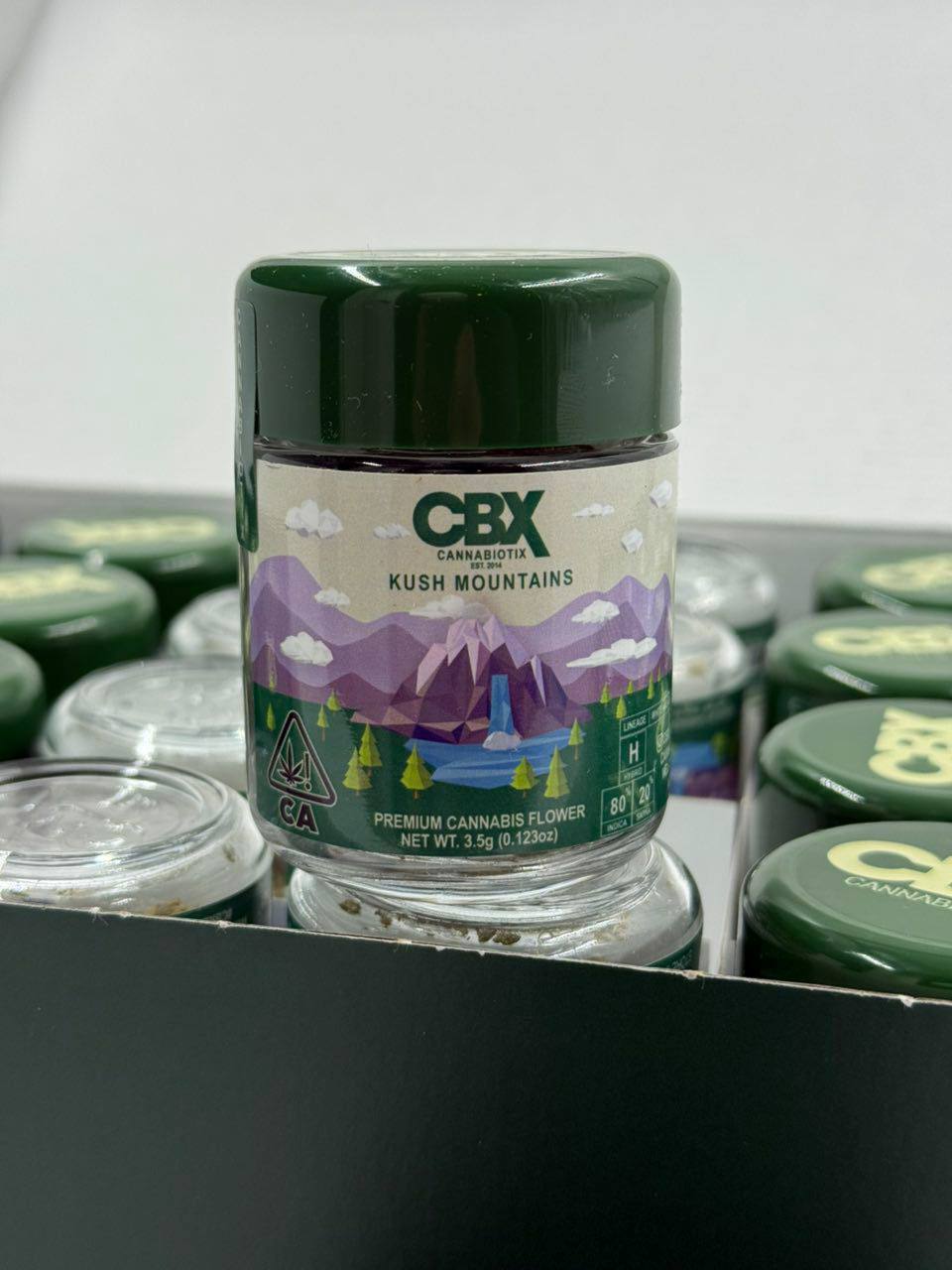
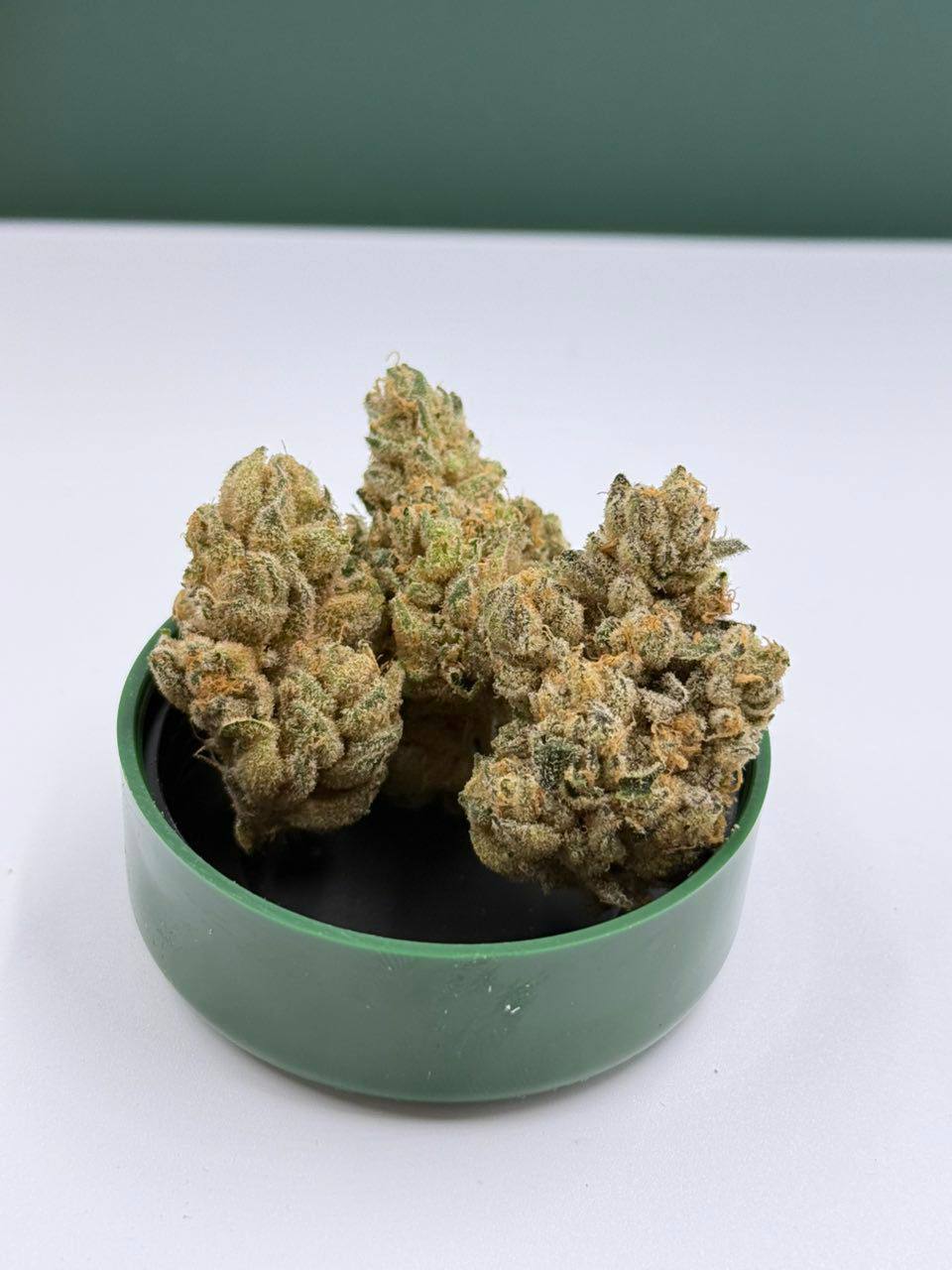
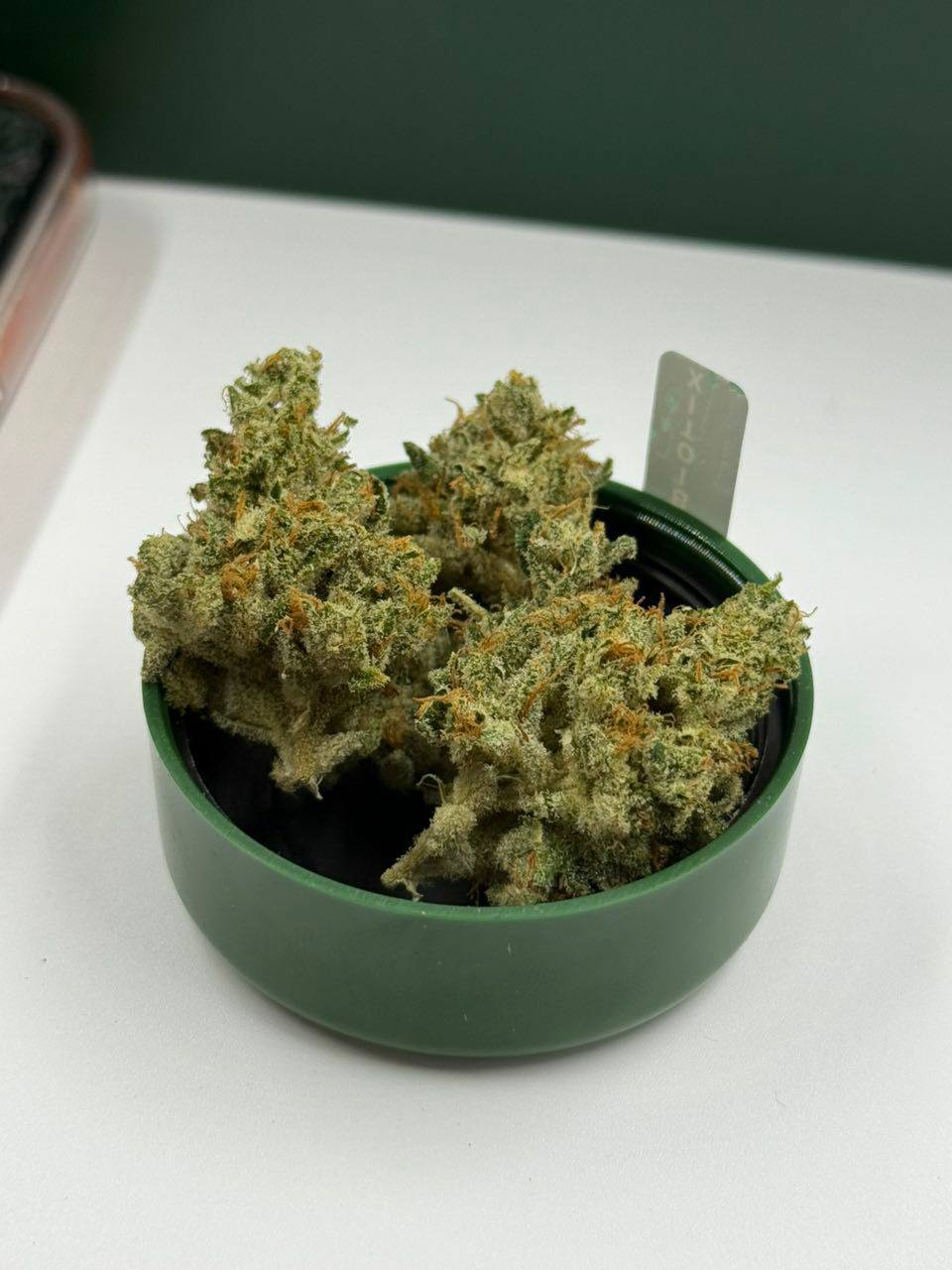
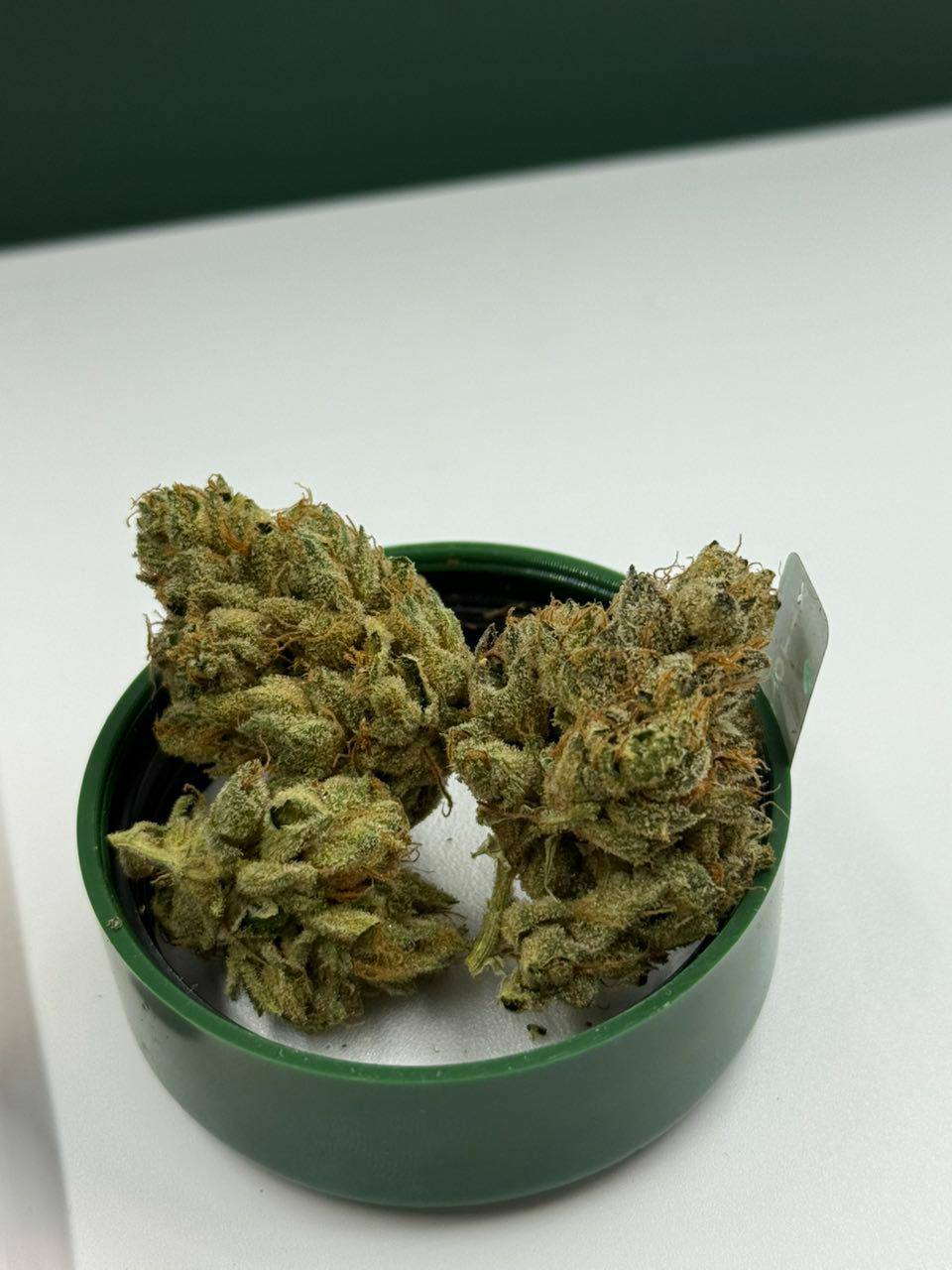
CBX Kush Mountains: Understanding Kush Genetics, Aroma Profiles, and Cannabis Branding (Informational Overview)
Introduction
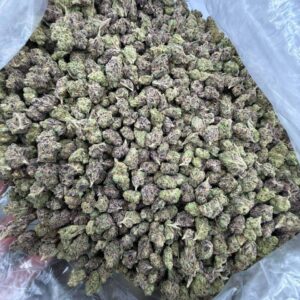
Cbx Kush mountains strains have shaped modern cannabis culture in significant ways. Although many names circulate in the market, “Kush” consistently signals a family of indica-leaning genetics with deep historical roots. In addition, branding terms like “mountains,” “reserve,” or “exotic” often appear in product naming to evoke natural origins and premium quality.
This article explores Kush genetics, terpene profiles, cultivation traits, and naming conventions. Furthermore, it explains how cannabis branding has evolved in legal and semi-legal markets. As a result, readers gain a clearer understanding of what terms like “CBX Kush Mountains” typically represent in context rather than marketing claims.
The Origins of Kush Genetics
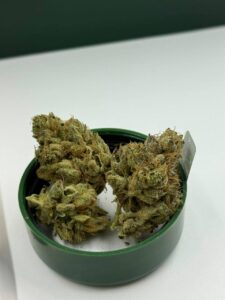
Kush genetics are believed to trace back to the Hindu Kush mountain range, which spans parts of Afghanistan and Pakistan. Because of the region’s harsh climate, plants developed resilience and dense resin production.
Over time, landrace Kush varieties were transported to other regions. Subsequently, breeders hybridized them with other cannabis types, creating modern indica-dominant strains.
Although many variations now exist, the core traits remain recognizable. These include compact growth, strong aroma, and calming effects in general characterization.
Why the “Kush” Name Became So Popular
The term “Kush” has become a branding cornerstone. Originally, it referred to geographic origin. However, it later evolved into a quality marker in commercial cannabis culture.
Additionally, the name is often used even when genetics are only partially related to true landrace Kush. Therefore, the term now functions as both a genetic reference and a marketing label.
As a result, consumers often associate Kush strains with relaxation, earthiness, and potency, even when actual lineage differs.
Understanding “Mountains” in Strain Naming
Words like “Mountains,” “Valley,” or “Reserve” are commonly used in strain branding. These terms do not always indicate genetic origin. Instead, they are often used to create imagery.
For example, “Mountains” may suggest:
- High-altitude cultivation environments
- Natural purity associations
- Rugged, earthy flavor expectations
- Premium or small-batch production themes
However, these interpretations are symbolic rather than scientific. Consequently, such naming conventions should be viewed as branding language rather than botanical classification.
Terpene Profiles Commonly Associated With Kush-Type Strains
Kush-related strains are frequently described as having rich terpene compositions. These compounds influence aroma and perceived effects.
Common terpenes include:
- Myrcene: Often associated with earthy and musky notes
- Limonene: Contributes citrus-like brightness
- Caryophyllene: Adds spicy and pepper-like tones
- Linalool: Provides floral and calming aroma elements
Furthermore, terpene balance is heavily influenced by cultivation methods and post-harvest handling. Therefore, two similarly named strains may smell and feel quite different.
Growth Characteristics of Kush-Inspired Plants
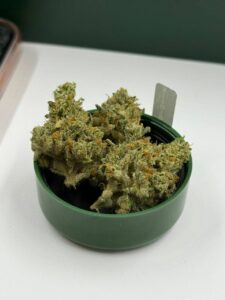
Kush-type cannabis plants are generally indica-dominant. As a result, they often display short stature and broad leaves.
Typically observed traits include:
- Dense bud formation
- Relatively short flowering periods
- Strong resin production
- Moderate resistance to environmental stress
However, hybridization has introduced significant variation. Consequently, not all Kush-labeled strains behave the same in cultivation environments.
The Role of Hybridization in Modern Kush Strains
Modern cannabis breeding has heavily hybridized original Kush genetics. Because of this, many strains labeled “Kush” today are only partially related to original landrace genetics.
Breeders often combine Kush with:
- Haze varieties for uplifted effects
- Diesel lines for pungent aroma
- Fruity genetics for sweeter profiles
As a result, Kush has become a genetic base rather than a fixed strain identity.
Aroma and Flavor Expectations in Kush Families
Kush-type strains are widely recognized for deep, complex aroma profiles. In general, they are described as:
- Earthy
- Woody
- Spicy
- Slightly sweet or citrus-leaning depending on hybridization
Additionally, curing and storage significantly affect final aroma expression. Therefore, identical genetics may present different sensory profiles under different conditions.
Cultural Influence of Kush Strains
Kush strains have had a strong influence on global cannabis culture. Music, fashion, and lifestyle branding frequently reference Kush due to its established reputation.
Moreover, Kush naming conventions have inspired countless derivatives. Consequently, “Kush” has become one of the most recognizable terms in cannabis taxonomy.
The Branding Evolution Behind Names Like “CBX Kush Mountains”
Modern cannabis branding often blends genetics with storytelling. Names such as “CBX Kush Mountains” are typically designed to:
- Suggest premium quality
- Evoke natural landscapes
- Differentiate products in competitive markets
- Create emotional appeal through imagery
However, these names do not always guarantee specific genetic authenticity. Instead, they function primarily as marketing identifiers.
Consumer Perception and Market Positioning
Consumers often rely on strain names to form expectations. Because of this, branding plays a major role in product positioning.
Kush-labeled products are frequently perceived as:
- Relaxing
- Heavy-bodied in effect description
- Rich in aroma
- Traditional or “classic” cannabis types
Nevertheless, actual effects vary widely depending on genetics and cultivation practices.
Legal and Industry Considerations
Cannabis naming practices vary across jurisdictions. In regulated markets, labeling rules may require:
- Accurate cannabinoid content reporting
- Testing for contaminants
- Lab verification of potency
Despite this, strain names remain largely unstandardized. Therefore, “Kush” and similar terms are not scientifically regulated classifications.
Conclusion
Kush genetics represent one of the most influential foundations in modern cannabis breeding. Although names like “CBX Kush Mountains” appear in commercial contexts, they often blend genetics with branding strategies.
Furthermore, understanding terpene profiles, hybridization, and naming conventions helps clarify what such terms generally represent. As a result, consumers and researchers can better interpret strain labels without relying solely on marketing language.
Ultimately, Kush remains both a genetic lineage and a cultural symbol, shaped by decades of cultivation, adaptation, and branding evolution.
Advanced Genetics Behind Kush Line Development
Modern Kush genetics have evolved through repeated selective breeding cycles. Breeders typically choose parent plants based on resin production, aroma strength, and structural stability. Then, offspring plants are evaluated over multiple generations.
Furthermore, phenotype selection plays a major role in shaping final strain expression. Even when two plants share identical parentage, they may still develop different characteristics. Therefore, Kush “lines” often diversify quickly under commercial breeding pressure.
In many cases, traits such as shorter flowering time and denser bud formation are prioritized. As a result, some aromatic complexity may be reduced while yield efficiency increases.
Phenotype Variation and Expression Differences
Phenotypes refer to how a plant expresses its genetics under specific conditions. In Kush-related plants, phenotype variation is especially common.
For example, one phenotype may produce:
- Strong earthy aroma
- Dense resin coating
- Deep green coloration
Meanwhile, another phenotype from the same genetic cross may show:
- Slightly fruity notes
- Taller structure
- Lighter bud density
Because of this variation, strain names alone cannot fully guarantee a consistent experience. Environmental factors such as lighting, nutrients, and temperature also influence expression significantly.
Environmental Influence on Kush-Type Growth
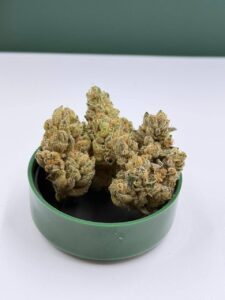
Environmental conditions strongly shape cannabis development. Kush-derived plants typically respond well to stable, controlled environments.
Temperature fluctuations, for instance, can affect terpene retention. Similarly, humidity levels influence mold resistance and resin preservation.
In addition, soil composition or hydroponic systems may alter growth speed and final aroma intensity. Therefore, cultivators often fine-tune conditions carefully to maintain consistency.
Post-Harvest Processing and Its Importance
After harvesting, cannabis undergoes drying and curing. These stages are crucial for preserving quality.
During drying, moisture content is gradually reduced. If this process is rushed, terpene loss may occur. Conversely, overly slow drying can increase contamination risk.
Next, curing allows chemical stabilization within the plant material. As a result, aroma becomes more refined and harshness is reduced.
Although often overlooked, post-harvest processing significantly affects final quality perception.
The Role of Branding in Modern Cannabis Markets
Branding has become one of the most influential aspects of cannabis commercialization. Since genetic standardization is limited, naming conventions often guide consumer expectations.
Terms like “Kush Mountains” are frequently used to:
- Suggest origin from natural or elevated regions
- Create a premium identity
- Differentiate product lines within a brand portfolio
However, these names are not regulated scientific classifications. Instead, they function as marketing narratives designed to influence perception.
As competition increases, branding strategies continue to expand in complexity and creativity.
Consumer Interpretation of Strain Names
Consumers typically rely on strain names to predict effects and flavor. Because of this, expectations are often formed before actual use or analysis.
Kush-associated names commonly imply:
- Relaxing or calming experiences
- Deep, earthy aroma profiles
- Traditional cannabis heritage
Nevertheless, these assumptions may not always reflect actual chemical composition. Laboratory testing provides more accurate insight into cannabinoid and terpene content.
Therefore, informed consumers increasingly rely on lab results rather than names alone.
Chemical Composition Overview (Generalized)
Cannabis plants contain multiple chemical groups, primarily cannabinoids and terpenes.
Cannabinoids include compounds such as:
- THC (tetrahydrocannabinol)
- CBD (cannabidiol)
- Minor cannabinoids like CBG and CBC
Terpenes contribute aromatic properties and may influence subjective effects. While research is ongoing, interactions between these compounds are still being studied under the “entourage effect” concept.
Although Kush strains are often associated with high THC levels, actual composition varies widely depending on breeding and cultivation.
Market Evolution and Commercial Trends
The cannabis industry has shifted from informal naming systems to more structured branding ecosystems. However, strain names still remain inconsistent across producers.
Consequently, the same strain name may represent different genetic versions depending on the producer. This lack of standardization has led to increased emphasis on lab testing and batch identification.
Furthermore, premium branding continues to grow, with emphasis placed on exclusivity, rarity, and geographic storytelling.
Cultural Significance of Kush Identity
Kush has become more than a genetic category; it represents a cultural symbol within cannabis communities.
Music, art, and lifestyle branding frequently reference Kush imagery. This cultural integration has reinforced its popularity over decades.
Additionally, Kush terminology often signifies authenticity or tradition in contrast to newer hybrid names. As a result, it maintains strong recognition across global markets.
Summary of Key Insights
To summarize the informational breakdown:
- Kush genetics originate from mountainous regions in South Asia
- Modern Kush strains are heavily hybridized
- “Mountains” in strain naming is typically symbolic branding
- Terpene profiles vary widely depending on environment and phenotype
- Post-harvest processing strongly affects aroma and quality
- Strain names are not scientifically standardized identifiers
- Branding plays a major role in consumer perception

Observations
Cannabis naming conventions continue to evolve alongside legalization and commercialization trends. While terms like “CBX Kush Mountains” may appear descriptive, they primarily function as branding tools rather than strict genetic classifications.
Therefore, understanding the underlying science of genetics, terpenes, and cultivation provides a clearer picture than relying on naming alone. As research advances, more standardized labeling systems may emerge, improving transparency and consistency across markets.
Genetic Stability and Breeding Challenges in Kush Lines
One of the major challenges in Kush-based breeding is maintaining genetic stability across generations. Even though breeders attempt to lock in desirable traits, natural variation still occurs during reproduction.
Therefore, stabilizing a Kush line often requires repeated backcrossing. This process reinforces specific traits such as resin density, aroma strength, or growth structure. However, it can also reduce genetic diversity over time.
In addition, environmental stress during cultivation may influence how stable a strain appears. As a result, two plants labeled under the same Kush lineage may still present noticeable differences.
Resin Production and Trichome Development
Kush-type plants are widely recognized for their heavy resin production. This resin is formed in glandular structures known as trichomes.
Trichomes serve several biological purposes. They help protect the plant from pests, reduce water loss, and shield against environmental stress. Meanwhile, they also contain cannabinoids and terpenes.
As flowering progresses, trichome density increases. Eventually, these structures become visible as a frosty coating on buds and surrounding leaves. This visual characteristic is often associated with high-quality cannabis genetics in general discussions.
Aroma Layer Complexity in Kush Profiles
Kush aroma profiles are rarely simple. Instead, they tend to develop multiple layers of scent that unfold gradually.
Initially, earthy and woody notes may dominate. Then, secondary tones such as spice or citrus can emerge. Finally, deeper musky undertones often become more noticeable.
Because of this layered structure, Kush strains are frequently described as “complex” in aroma discussions. However, exact scent perception remains subjective and influenced by individual sensitivity.
Harvest Timing and Its Effect on Quality
Harvest timing plays a critical role in determining final plant quality. If harvested too early, cannabinoid development may not reach full potential. Conversely, if harvested too late, terpene degradation may occur.
Growers typically monitor trichome color as an indicator of maturity. Clear trichomes suggest early stages, while cloudy or amber tones indicate later development.
As a result, precise timing decisions directly influence aroma strength, potency balance, and overall plant character.
Drying Techniques and Environmental Control
After harvest, controlled drying is essential. Airflow, temperature, and humidity must be carefully balanced to prevent quality loss.
If humidity is too high, mold risk increases. On the other hand, overly dry conditions may cause terpene evaporation.
Therefore, slow and consistent drying is generally preferred. During this phase, moisture gradually leaves plant material while chemical compounds stabilize.
Subsequently, the plant becomes more suitable for long-term curing.
Curing Process and Chemical Maturation
Curing allows internal chemical processes to continue after drying. During this period, chlorophyll breaks down and harsh compounds reduce over time.
As curing progresses, aroma becomes smoother and more refined. Additionally, terpene expression often becomes more noticeable.
Although this stage does not change genetics, it significantly affects sensory perception. Therefore, curing is considered a key quality-control step in cannabis post-harvest handling.
Packaging, Storage, and Preservation Factors
Proper storage conditions help preserve cannabis quality over time. Exposure to light, heat, and oxygen can degrade cannabinoids and terpenes.
Therefore, airtight containers are commonly used in controlled environments. In addition, cool and dark storage conditions are preferred.
When these factors are maintained, product stability is improved. However, improper storage can quickly reduce aroma intensity and overall freshness.
Market Categorization and Product Labeling Trends
In modern cannabis markets, product categorization has become increasingly complex. Many products are grouped by strain names, terpene profiles, or effect descriptions.
However, strain-based labeling is not always consistent. As a result, consumers may encounter variations in products sharing the same name.
To address this issue, some markets now emphasize lab results and chemical profiles instead of relying solely on naming conventions.
Consumer Education and Information Transparency
As cannabis markets evolve, consumer education has become more important. Many users now seek detailed information about cannabinoid percentages, terpene breakdowns, and cultivation methods.
Furthermore, transparency helps reduce confusion caused by inconsistent strain naming. It also supports more informed purchasing decisions in regulated environments.
Educational content, therefore, plays a key role in bridging the gap between branding and scientific understanding.
Industry Standardization Challenges
Despite industry growth, standardization remains limited. Different producers may interpret strain names differently, even when using similar genetics.
This lack of uniformity creates challenges in product comparison and consumer expectations. Consequently, regulatory frameworks in some regions are beginning to encourage more standardized labeling practices.
However, full global consistency has not yet been achieved.
Final Extended Summary
To consolidate the expanded information:
- Kush genetics are highly variable due to hybridization
- Resin production is driven by trichome development
- Aroma complexity is layered and influenced by multiple terpenes
- Harvest timing directly affects quality outcomes
- Drying and curing are essential for chemical stabilization
- Storage conditions determine long-term preservation
- Branding often replaces strict genetic classification
- Standardization across the industry remains incomplete
Closing Perspective
Kush-related naming systems, including variations like “CBX Kush Mountains,” exist primarily within a broader branding ecosystem rather than strict botanical taxonomy. While these names help structure product identity, they do not always reflect precise genetic lineage.
As a result, understanding cultivation science, post-harvest processes, and chemical composition offers a more accurate perspective than relying on naming conventions alone. Continued research and regulation may eventually improve clarity, but for now, interpretation depends heavily on context and supporting data.


Reviews
There are no reviews yet.