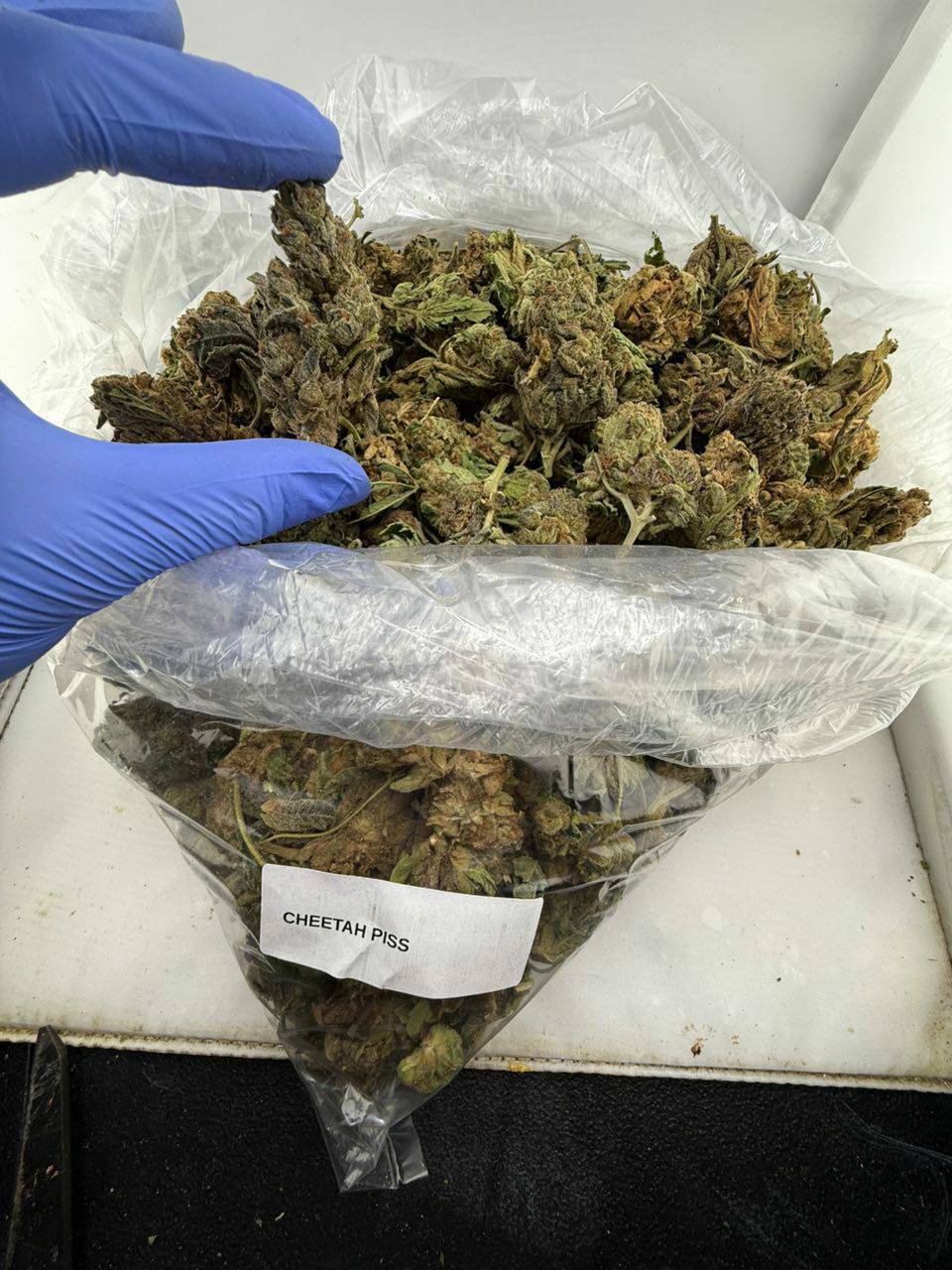
Cheetah Piss 01 – Informational Product Overview
Introduction
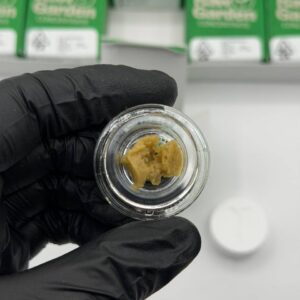
Cheetah Piss 01 is a strain designation commonly associated with modern hybrid cannabis varieties recognized for strong aromatic characteristics and dense flower structure. The profile often combines citrus-forward notes with earthy undertones and a sharp fuel-like aroma. In many retail catalogs, the strain appears in flower, concentrate, or vaporizer formats depending on regional production standards and availability.
The name has gained attention within cannabis culture because of its unusual branding and recognizable terpene profile. Although the strain name sounds unconventional, the product category follows the same cultivation, curing, and packaging processes used across regulated cannabis markets. Furthermore, many consumers identify the strain by its layered aroma and visually dense bud formation.
Botanical Background
Hybrid cannabis strains usually combine characteristics from multiple parent genetics. As a result, producers often focus on balancing aroma, cannabinoid content, growth structure, and terpene complexity. Cheetah Piss 01 generally falls within the hybrid category, although exact classifications may vary among cultivators.
Different growers may produce slightly different phenotypes under the same strain name. Consequently, aroma intensity, flower coloration, and cannabinoid percentages may differ between harvest batches. Environmental conditions also influence final plant characteristics during cultivation and curing.
Appearance and Structure
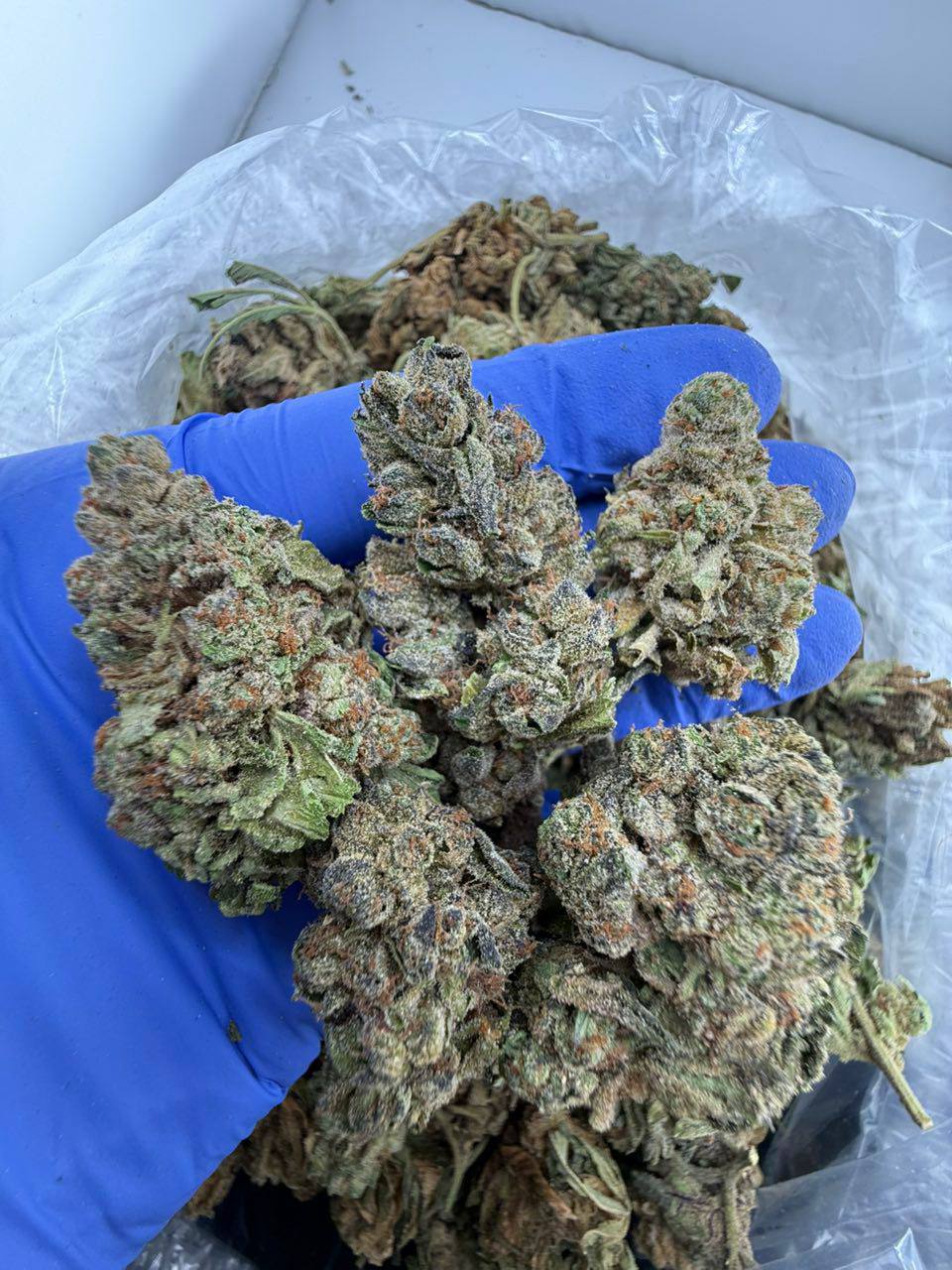
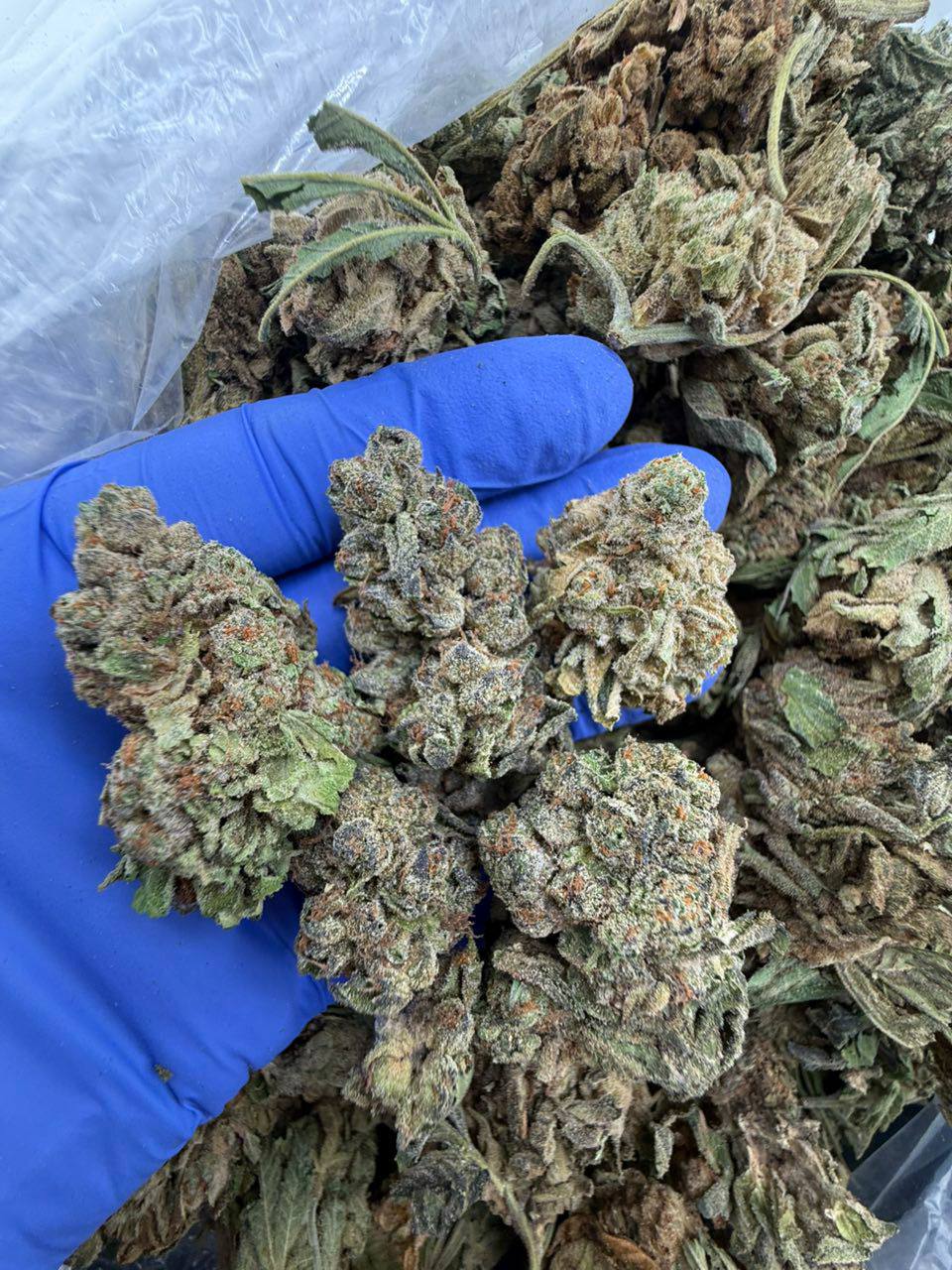
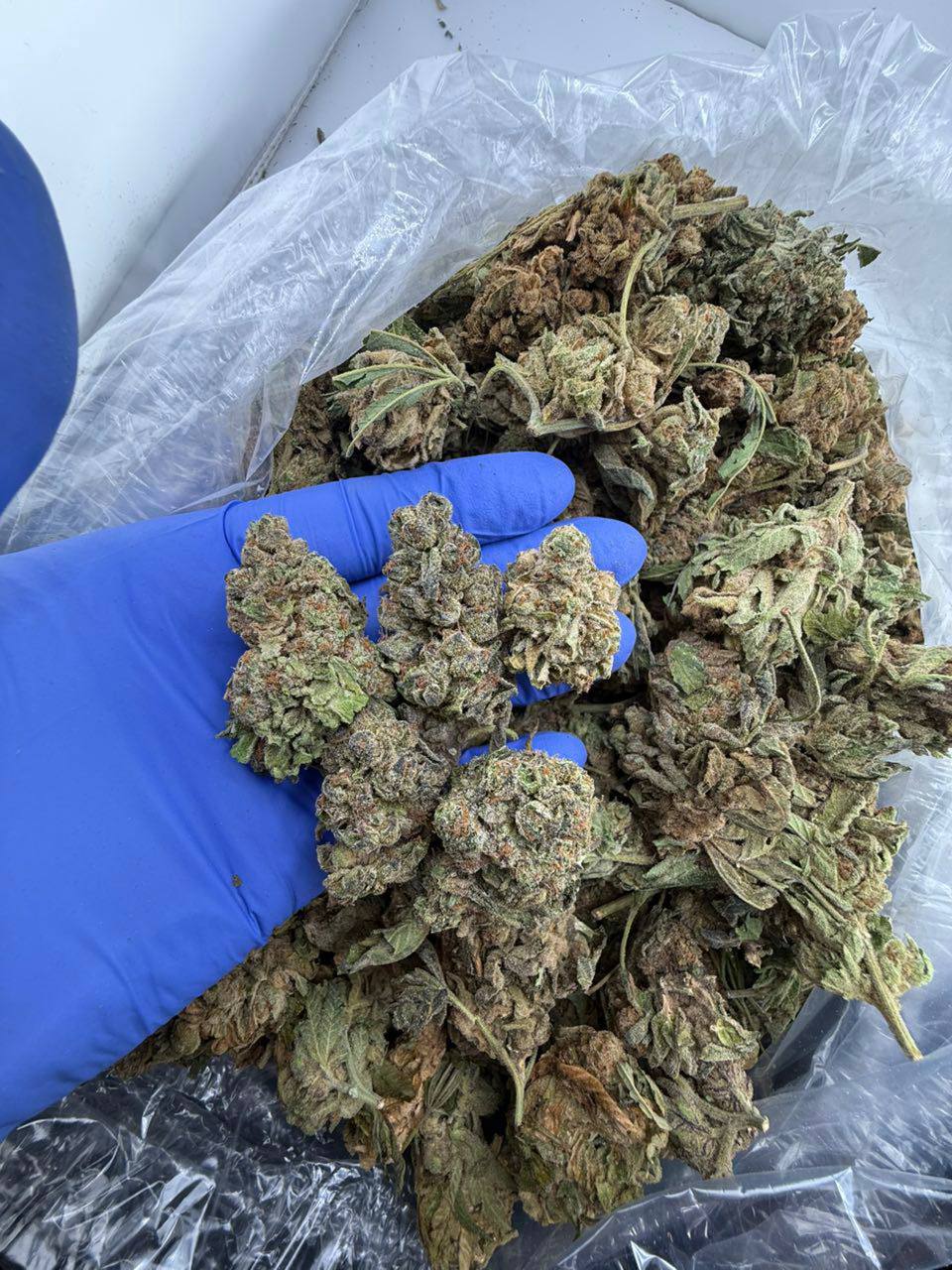
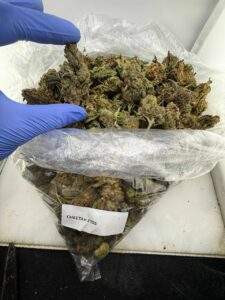
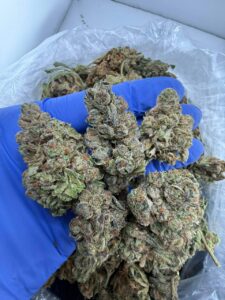
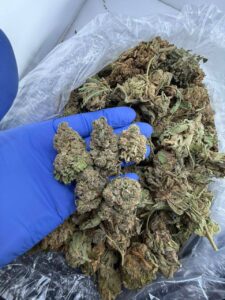
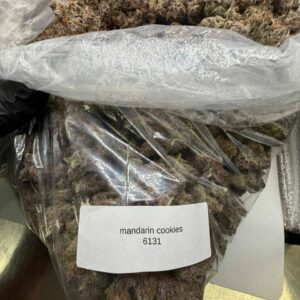
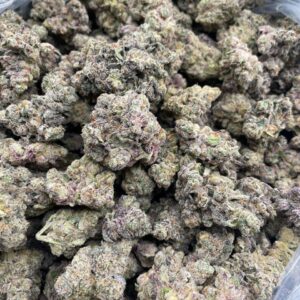
The flower structure associated with Cheetah Piss 01 often appears dense and resin-coated. In addition, cultivators frequently report medium-to-large buds with compact spacing and visible trichome coverage. Depending on cultivation methods, coloration may range from bright green to darker olive shades with orange or amber pistils.
Because modern cultivation techniques prioritize visual consistency, producers commonly trim and cure the flower carefully before packaging. Likewise, controlled humidity storage may help preserve texture and terpene retention during transport and shelf placement.
Aroma Characteristics
Aroma remains one of the defining features associated with this strain category. Many descriptions reference citrus, diesel, herbal spice, and earthy notes layered together. Furthermore, some users identify skunky or pungent elements within the aroma profile.
Terpenes contribute significantly to scent complexity. Therefore, cultivators often emphasize terpene preservation during harvesting and curing. Storage conditions may also affect aromatic intensity over time.
Commonly referenced aromatic notes include:
- Citrus peel
- Fuel-like sharpness
- Earthy undertones
- Herbal spice
- Skunky accents
- Sweet tropical hints
Cultivation Considerations
Cultivators often monitor temperature, airflow, humidity, and nutrient balance carefully throughout the growth cycle. As a result, consistent environmental management may support healthier plant development and improved flower density.
Indoor cultivation allows greater environmental control compared with outdoor production. However, greenhouse systems may also provide balanced light exposure and airflow management. Additionally, curing practices influence moisture balance and aroma preservation after harvest.
Some producers focus on small-batch cultivation methods for hybrid strains with complex terpene profiles. Consequently, harvest quantities may vary depending on production scale and regional regulations.
Packaging and Storage
Cannabis flower products are typically packaged in sealed containers designed to preserve freshness and reduce odor transfer. Furthermore, many regulated markets require child-resistant packaging and product labeling standards.
Storage recommendations often include:
- Keeping the product away from direct sunlight
- Maintaining cool and dry conditions
- Avoiding excessive heat exposure
- Using airtight containers when possible
Improper storage conditions may reduce aroma intensity and alter texture over time. Therefore, many consumers prioritize humidity-controlled storage systems for longer preservation.
Regulatory Considerations
Cannabis laws vary significantly across jurisdictions. Consequently, product availability, labeling standards, and permitted cannabinoid concentrations may differ by region. Consumers should review local regulations before purchasing or possessing cannabis-related products.
Many regulated markets require:
- Age verification
- Licensed retail distribution
- Laboratory testing
- Ingredient disclosure
- Batch tracking systems
Testing standards may include cannabinoid analysis, contaminant screening, and terpene evaluation depending on local compliance requirements.
Consumer Interest and Market Presence
The popularity of uniquely branded strains has increased in modern cannabis markets. As a result, distinctive strain names often attract attention within dispensary catalogs and online discussions. Cheetah Piss 01 appears frequently in strain databases, product menus, and cannabis culture media because of its recognizable identity.
Market visibility may vary depending on regional demand and cultivation availability. Additionally, producers sometimes release limited batches or phenotype variations under related naming structures.
Texture and Visual Quality
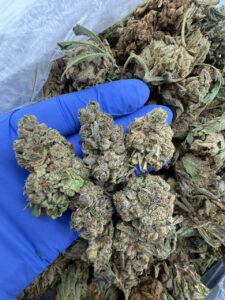
Visual quality assessments often include trichome density, trim consistency, moisture balance, and color presentation. Furthermore, carefully cured flower usually maintains structural integrity without becoming excessively dry or brittle.
Resin-coated surfaces may indicate preserved trichome coverage. However, visual appearance alone does not determine overall product quality. Laboratory testing and cultivation practices remain important factors in regulated cannabis production.
Terpene Discussion
Terpenes are aromatic compounds naturally present in cannabis and many other plants. They influence scent profiles and contribute to the overall sensory identity of different strains. Common terpenes discussed within hybrid cannabis varieties may include:
- Limonene
- Caryophyllene
- Myrcene
- Humulene
- Linalool
The concentration of each terpene can shift depending on genetics, environmental conditions, and curing methods. Consequently, products with the same strain name may still display slight aromatic differences.
Industry Trends
Modern cannabis branding frequently emphasizes strain recognition, terpene diversity, and cultivation transparency. Therefore, hybrid strains with strong aroma profiles often maintain visibility within competitive retail environments.
Packaging innovation has also expanded across the industry. In addition, manufacturers continue developing odor-resistant containers, humidity-controlled storage solutions, and recyclable packaging materials.
Product Labeling Information
Regulated cannabis packaging often includes:
- Batch numbers
- Cannabinoid percentages
- Packaging dates
- Expiration guidance
- Laboratory testing references
- Safety warnings
Accurate labeling supports consumer awareness and regulatory compliance. Likewise, standardized testing procedures may improve consistency across retail markets.
Storage Longevity
Freshness preservation depends on environmental exposure after packaging. Consequently, oxygen, heat, and humidity fluctuations may gradually affect aroma and texture. Many consumers therefore store products in sealed containers with humidity control packs.
Excessive dryness may reduce texture quality, while excess moisture could increase contamination risks. Balanced storage conditions remain important for maintaining product integrity over time.
Retail Presentation
Dispensaries and licensed retailers often categorize cannabis products by strain type, aroma profile, or cannabinoid concentration. Furthermore, educational labeling has become more common within regulated retail systems.
Some retailers provide terpene information alongside cannabinoid testing data. As a result, consumers may compare products based on aromatic composition rather than only potency measurements.
Closing Overview
Cheetah Piss 01 represents a modern hybrid cannabis strain category recognized for layered aroma complexity, dense flower presentation, and distinctive branding. Its profile commonly combines citrus-forward notes with earthy and fuel-like undertones, while cultivation and curing methods influence final product characteristics.
Because cannabis regulations differ across jurisdictions, product availability and compliance standards may vary considerably. Consumers should always review local laws and purchase only from licensed sources where permitted.
Cultivation Environment and Plant Development
Environmental control plays a major role in cannabis cultivation quality. Therefore, growers often monitor humidity, temperature stability, airflow circulation, and lighting schedules throughout each growth stage. Stable conditions may support stronger structural development and more consistent flower formation.
Indoor cultivation environments frequently use programmable lighting systems and controlled ventilation equipment. As a result, cultivators can regulate plant stress more effectively compared with unpredictable outdoor weather conditions. However, greenhouse operations continue gaining popularity because they combine natural sunlight with partial environmental management.
Growth cycles usually progress through several stages, including germination, vegetation, flowering, harvesting, drying, and curing. Each stage contributes differently to the final appearance and aroma profile of the flower. Furthermore, timing adjustments during flowering may influence terpene preservation and trichome density.
Harvesting and Post-Harvest Processing
Harvest timing remains an important consideration for cultivators. Consequently, producers often evaluate trichome coloration, flower maturity, and plant condition before cutting the crop. Delayed harvesting may alter cannabinoid composition, while premature harvesting can reduce terpene development.
After harvesting, drying procedures help reduce excess moisture from the flower. In addition, controlled drying environments may lower the risk of mold development and uneven texture. Many producers use slow-curing techniques because gradual moisture stabilization may help preserve aromatic compounds more effectively.
Curing generally involves sealed storage under monitored humidity conditions. During this process, internal moisture distribution becomes more balanced throughout the flower structure. Likewise, terpene expression may become more pronounced over time when storage conditions remain stable.
Texture, Density, and Trim Quality
Flower texture can vary depending on cultivation methods and curing duration. Dense buds often indicate compact growth patterns, although structure alone does not guarantee overall quality. Moreover, careful trimming contributes to cleaner presentation and improved packaging consistency.
Machine trimming and hand trimming produce different visual results. Hand-trimmed flower typically retains more detailed structural definition, whereas machine-trimmed batches may appear more uniform. Nevertheless, production scale frequently determines which trimming process cultivators select.
Resin visibility is another commonly discussed visual factor. Trichome-coated surfaces often create a frosted appearance under direct lighting. Therefore, visual inspection remains a standard part of retail evaluation in many regulated markets.
Packaging Innovation in Modern Cannabis Markets
Cannabis packaging standards have evolved significantly during recent years. Consequently, manufacturers now focus on freshness preservation, child-resistant mechanisms, and compliance labeling simultaneously. Many packaging systems also prioritize odor control and portability.
Common packaging formats include:
- Glass jars
- Resealable pouches
- Vacuum-sealed containers
- Opaque storage tubes
- Humidity-controlled packaging systems
Opaque packaging may reduce light exposure, while airtight seals can limit oxidation. Furthermore, some manufacturers include humidity packs designed to stabilize moisture balance during storage.
Sustainability has also become a growing topic within cannabis packaging discussions. As a result, several producers now experiment with recyclable materials and biodegradable alternatives where regulations permit.
Laboratory Testing Standards
Testing procedures vary between jurisdictions; however, regulated cannabis products are commonly evaluated for potency and contamination. In addition, laboratories may test for residual solvents, microbial contaminants, heavy metals, and pesticide residues.
Cannabinoid analysis often measures compounds such as:
- THC
- CBD
- CBG
- CBC
- Minor cannabinoids
Terpene analysis may also appear on product labels depending on local requirements. Consequently, consumers sometimes use laboratory reports to compare aromatic profiles across different batches.
Batch testing supports product traceability within licensed markets. Likewise, standardized reporting systems may improve transparency for both retailers and consumers.
Aroma Preservation During Storage
Terpenes remain sensitive to environmental exposure. Therefore, prolonged contact with heat, oxygen, or direct sunlight may reduce aroma intensity over time. Storage methods often influence how effectively the flower maintains its original profile.
Cool, dark environments generally support longer-term preservation. Additionally, airtight containers may reduce oxidation compared with loosely sealed storage systems. Some collectors also use humidity-control inserts to stabilize moisture levels.
Frequent opening of storage containers can gradually release volatile aromatic compounds. Consequently, minimizing unnecessary exposure may help preserve freshness for longer periods.
Visual Identity and Strain Branding
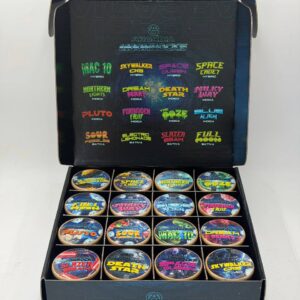
Strain branding has become increasingly important within cannabis culture and retail marketing. Unique names often contribute to product recognition and consumer recall. Furthermore, visually distinctive packaging may strengthen shelf visibility within competitive dispensary environments.
Cheetah Piss 01 stands out primarily because of its unconventional naming structure. Nevertheless, branding alone does not define cultivation quality or cannabinoid composition. Laboratory testing and production standards remain more reliable indicators of consistency.
Many modern cannabis brands also emphasize storytelling, cultivation transparency, and limited-release batches. As a result, strain identity frequently extends beyond the flower itself into broader lifestyle-oriented branding approaches.
Consumer Education and Product Transparency
Educational labeling has become more common within regulated cannabis markets. Consequently, retailers increasingly provide terpene information, cannabinoid percentages, and usage guidance alongside traditional packaging details.
Transparency initiatives may include:
- QR code laboratory access
- Harvest date disclosure
- Cultivation method identification
- Batch-specific terpene analysis
- Sustainability information
Consumers often use this information to compare products more effectively. Likewise, transparency standards may strengthen trust between producers and retail customers.
Differences Between Phenotypes
Phenotypes refer to observable variations that develop from the same genetic lineage under different conditions. Therefore, two cultivators producing the same strain may still achieve different aroma profiles, coloration, and structural characteristics.
Environmental influences such as lighting intensity, nutrient balance, and curing practices can shape phenotype expression significantly. Furthermore, selective breeding programs may stabilize certain traits across multiple cultivation cycles.
Because of these variables, strain experiences may differ between harvest batches. Consumers often notice slight changes in aroma sharpness, density, or coloration depending on the producer.
Market Trends and Retail Demand
Hybrid strains continue attracting significant attention across many cannabis markets. As a result, producers frequently release new phenotype variations and limited-edition batches to maintain consumer interest.
Retail demand often shifts according to:
- Regional trends
- Terpene popularity
- Packaging design
- Brand recognition
- Availability levels
Social media visibility and cannabis review platforms also influence strain awareness. Consequently, recognizable names sometimes achieve broader market presence more quickly than lesser-known cultivars.
Compliance and Responsible Access
Cannabis products remain subject to local regulations that vary widely between jurisdictions. Therefore, consumers should review applicable laws before purchasing, transporting, or possessing cannabis-related products.
Licensed retailers typically follow regulations related to:
- Age restrictions
- Packaging standards
- Product testing
- Inventory tracking
- Warning label placement
Responsible storage also remains important, particularly in households with children or pets. Keeping products in secured containers may reduce unintended access.
Final Informational Summary
Cheetah Piss 01 is commonly recognized as a hybrid cannabis strain associated with layered aromatic complexity, dense flower structure, and modern branding visibility. The profile often combines citrus-forward characteristics with earthy, skunky, and fuel-like undertones shaped by terpene composition and cultivation methods.
Environmental management, curing procedures, and storage practices all contribute to the final product presentation. Furthermore, laboratory testing and regulatory compliance continue playing essential roles within licensed cannabis markets.
As cannabis industries evolve internationally, transparency, product education, and packaging innovation remain central to consumer awareness and market development.
The Role of Genetics in Hybrid Cannabis Development
Hybrid cannabis varieties are created through selective breeding practices that combine characteristics from multiple parent plants. Consequently, breeders often focus on stabilizing traits linked to aroma, structure, growth efficiency, and cannabinoid production. Over time, repeated selection processes may strengthen certain features while reducing inconsistency across harvests.
Genetic diversity contributes significantly to the wide range of modern strain profiles available in licensed markets. Furthermore, cultivation teams frequently experiment with phenotype selection to identify plants that express particularly desirable aromatic or visual traits.
Because hybrid strains combine multiple genetic influences, individual batches can display subtle differences even under similar growing conditions. Therefore, consumers often notice variation in terpene sharpness, flower density, and color presentation depending on the producer and harvest cycle.
Indoor Cultivation Technology
Indoor cannabis cultivation has advanced considerably during recent years. As a result, many facilities now operate with highly controlled environmental systems designed to optimize consistency throughout the production cycle.
Modern cultivation facilities may include:
- LED lighting arrays
- Climate-control systems
- Automated irrigation setups
- Air purification equipment
- Digital nutrient monitoring systems
LED technology has become increasingly common because of improved energy efficiency and heat management. Additionally, programmable lighting schedules allow cultivators to maintain precise vegetation and flowering cycles.
Air circulation systems also support stable environmental conditions. Consequently, controlled airflow may help reduce excess humidity accumulation and maintain more even temperatures across the cultivation area.
Drying Room Conditions and Product Stability
The drying stage directly influences texture preservation and aroma retention. Therefore, producers generally monitor airflow, humidity, and temperature carefully after harvest. Rapid drying may damage terpene integrity, while excessive moisture retention could create storage complications.
Slow-curing methods often receive attention because they may support smoother moisture distribution throughout the flower structure. Likewise, gradual stabilization can improve consistency in packaged products.
Drying rooms are commonly maintained within controlled environmental ranges to reduce stress on harvested material. Consequently, stable post-harvest handling practices remain essential for preserving overall product quality.
Trichomes and Resin Production
Trichomes are microscopic resin glands found on cannabis flowers and surrounding plant surfaces. These structures contain cannabinoids and aromatic compounds that contribute to the strain’s overall sensory profile.
Under magnification, trichomes frequently appear crystal-like or frosted. As a result, resin-heavy flower often develops a visually reflective surface. Many cultivation teams monitor trichome development closely during the flowering stage to determine optimal harvest timing.
Environmental stress, lighting conditions, and genetics may all influence resin production levels. Furthermore, nutrient balance can affect overall plant health and flower maturation.
Importance of Moisture Balance
Moisture management remains one of the most important factors in cannabis storage. Consequently, both excessive dryness and excess humidity may alter product condition significantly over time.
Overly dry flower may become brittle and lose aromatic intensity. On the other hand, excessive moisture may increase contamination risks and affect texture consistency. Therefore, balanced humidity storage often supports longer freshness preservation.
Many storage systems now include humidity-control inserts that help stabilize internal conditions. Additionally, airtight containers may reduce environmental fluctuations caused by repeated exposure to outside air.
Retail Shelf Presentation
Retail presentation influences how cannabis products are perceived within dispensary environments. Therefore, packaging design frequently emphasizes readability, product transparency, and visual distinction.
Some dispensaries organize products according to:
- Strain category
- Aroma profile
- Cannabinoid range
- Cultivation method
- Brand collection
Educational displays have also become more common. Consequently, consumers often encounter terpene charts, cultivation summaries, and laboratory references during product selection.
Retail staff in licensed markets may provide information regarding storage recommendations, cannabinoid content, and general product differences. However, local regulations often determine what forms of product discussion are permitted within retail settings.
Cultural Recognition and Naming Trends
Cannabis strain naming conventions have evolved into a distinct cultural trend within the industry. As a result, producers frequently use memorable, humorous, or unconventional names to differentiate products in crowded markets.
Cheetah Piss 01 represents one example of this naming approach. Although the title is unconventional, the strain follows the same agricultural and regulatory processes used for other hybrid cannabis products.
Distinctive branding may contribute to online visibility and consumer recognition. Furthermore, recognizable names often circulate through social media discussions, retail menus, and cannabis review communities.
Influence of Terpene Diversity
Terpene diversity contributes heavily to how cannabis strains are identified and categorized. Consequently, strains with layered aromatic profiles often receive greater attention from consumers interested in scent complexity.
Different terpene combinations can create profiles that appear:
- Citrusy
- Herbal
- Earthy
- Sweet
- Pungent
- Floral
- Fuel-like
Environmental conditions during cultivation may influence terpene concentration levels significantly. Therefore, identical genetics can still produce different aromatic outcomes under varying cultivation practices.
Producers commonly emphasize terpene preservation throughout harvesting, curing, and packaging stages. Likewise, proper storage remains important for maintaining aromatic integrity after distribution.
Regulatory Packaging Requirements
Many jurisdictions require cannabis packaging to meet strict compliance standards. Consequently, producers must often include detailed labeling information before products reach retail shelves.
Common labeling requirements may include:
- Product weight
- Cannabinoid percentages
- Government warnings
- Packaging dates
- Batch identification numbers
- Laboratory verification references
Child-resistant features are also commonly required within regulated markets. Furthermore, some jurisdictions restrict packaging colors, imagery, or branding styles to reduce youth appeal.
Compliance frameworks continue evolving as cannabis laws expand internationally. Therefore, packaging standards may differ substantially between regions.
Product Freshness Indicators
Consumers frequently evaluate freshness using visual and aromatic indicators. In addition, packaging dates and storage methods often provide insight into product handling conditions.
Signs associated with preserved freshness may include:
- Stable aroma intensity
- Balanced texture
- Visible trichome retention
- Consistent coloration
- Proper moisture balance
However, freshness can gradually decline through repeated exposure to oxygen and light. Consequently, sealed storage environments generally support longer preservation periods.
Industry Expansion and Consumer Awareness
The cannabis industry has expanded rapidly across several regulated markets. As a result, product transparency and consumer education have become increasingly important within retail environments.
Many consumers now seek information regarding:
- Cultivation practices
- Testing standards
- Terpene profiles
- Packaging materials
- Sustainability efforts
Educational awareness has encouraged producers to provide more detailed labeling and batch-specific information. Likewise, dispensaries frequently include educational resources alongside product displays.
Sustainability Discussions in Cannabis Production
Sustainability remains an ongoing topic within cannabis cultivation and packaging discussions. Indoor facilities can require significant energy consumption, particularly when using high-intensity lighting and climate-control systems.
Consequently, some producers now invest in:
- Energy-efficient lighting
- Water recycling systems
- Recyclable packaging
- Sustainable cultivation materials
- Reduced plastic usage initiatives
Environmental responsibility continues influencing consumer perception in many regulated markets. Furthermore, sustainability certifications may become more common as industry standards evolve.
Concluding Information
Cheetah Piss 01 continues gaining recognition within modern cannabis culture because of its distinctive branding, layered aromatic profile, and dense visual presentation. Cultivation methods, curing techniques, environmental conditions, and packaging practices all contribute to the final product characteristics observed in retail markets.
The broader cannabis industry also continues evolving through advances in cultivation technology, regulatory oversight, product transparency, and sustainability initiatives. As regulations develop internationally, consumer education and laboratory-tested compliance standards remain increasingly important throughout licensed cannabis markets.
Reviews
There are no reviews yet.