Raw Garden Live Rosin: A Comprehensive Overview of Premium Solventless Cannabis Concentrate
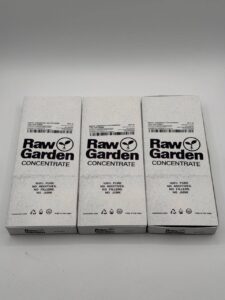
Raw Garden Live Rosin is widely recognized within the modern cannabis concentrate landscape as a high-quality, solventless extract that emphasizes purity, terpene preservation, and plant integrity. It is often associated with carefully cultivated cannabis flower that is processed using ice water and heat/pressure methods rather than chemical solvents. As a result, the final concentrate is typically positioned as a refined representation of the original plant’s aroma profile and cannabinoid structure.
This description presents a detailed exploration of Raw Garden Live Rosin, focusing on its extraction approach, sensory characteristics, consistency, terpene complexity, and broader role in the concentrate category. Additionally, attention is given to how such products are generally understood within regulated cannabis markets, alongside their place in contemporary consumer preference trends.
Understanding Live Rosin in the Concentrate Landscape
Live rosin is commonly categorized as a solventless cannabis concentrate, meaning no hydrocarbons or chemical solvents are used during extraction. Instead, mechanical and physical processes are employed. Typically, fresh-frozen cannabis flower is washed in ice water to separate trichomes, which are then collected as bubble hash. After drying, heat and pressure are applied to yield the final rosin extract.
Because of this method, many of the plant’s naturally occurring compounds are preserved. Terpenes, cannabinoids, and flavonoids are often retained at higher levels compared to many solvent-based concentrates. Consequently, live rosin is frequently associated with a more aromatic and full-spectrum expression of the original plant material.
Raw Garden’s interpretation of live rosin is often discussed in the context of its emphasis on consistency and refinement. The brand is generally known for maintaining strict cultivation and extraction standards, which contributes to a uniform end product profile across batches.
The Concept Behind “Live” Extraction
The term “live” refers to the use of freshly harvested cannabis that is immediately frozen rather than dried and cured prior to extraction. This freezing process is intended to preserve volatile compounds that might otherwise degrade during drying.
As a result, live rosin products are often characterized by:
- A more vibrant terpene profile
- Enhanced aroma intensity
- A closer representation of the living plant’s chemical composition
In many cases, this preservation method is considered essential for maintaining high terpene fidelity. However, it also requires careful handling throughout production, as frozen plant material behaves differently during extraction compared to cured flower.
Raw Garden’s Approach to Cultivation and Extraction
Raw Garden is generally associated with vertically integrated cannabis production, meaning cultivation and extraction processes are closely controlled within a unified system. This type of structure allows for greater oversight of plant genetics, harvesting timing, and extraction conditions.
The live rosin produced under this type of system is typically derived from carefully selected cannabis strains. These strains are often chosen based on terpene expression, resin production, and stability during freezing and washing.
After harvest, plants are quickly frozen to lock in freshness. Subsequently, trichome separation is performed using ice water agitation. The resulting hash is then dried under controlled conditions to reduce moisture content while preserving resin integrity. Finally, heat and pressure are applied to extract rosin without the use of solvents.
Throughout this process, consistency is prioritized. Variations in temperature, pressure, and humidity are often tightly controlled, ensuring that the final concentrate maintains a stable texture and chemical profile.
Appearance and Texture Characteristics
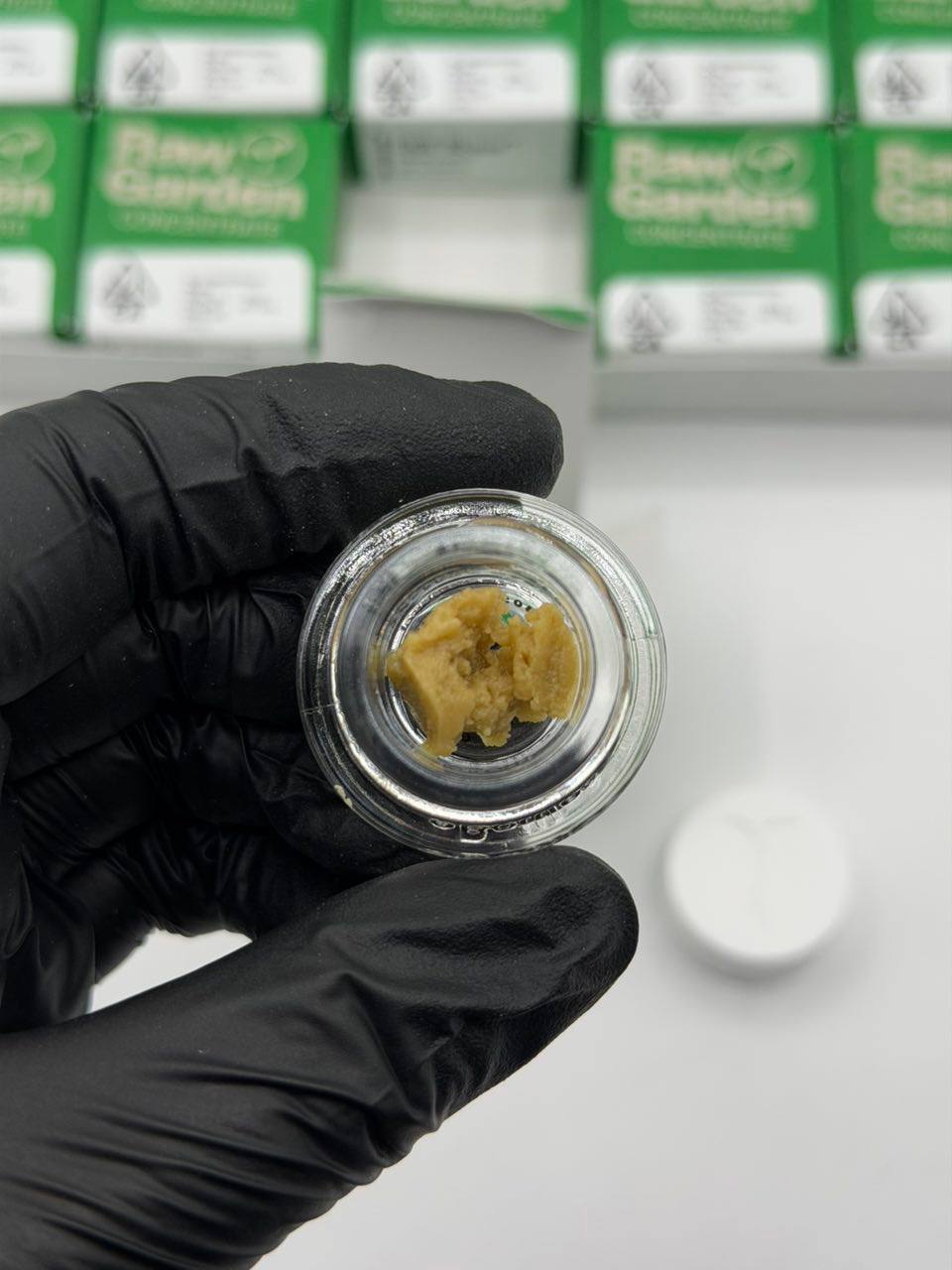
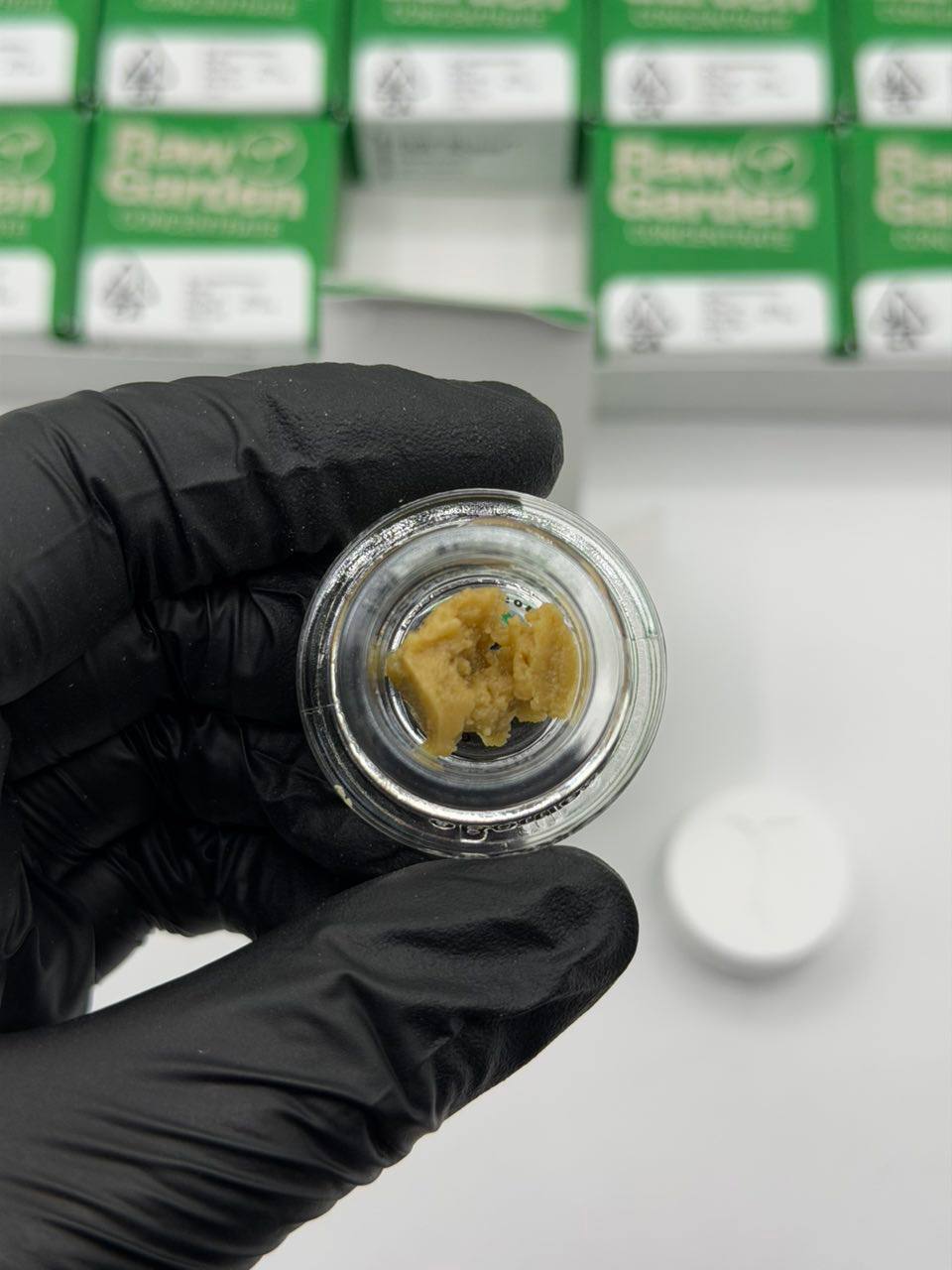
Raw Garden Live Rosin is typically observed as a translucent to semi-opaque concentrate. Its texture may vary depending on post-processing conditions, ranging from a creamy badder-like consistency to a more stable, shatter-like form.
In many cases, the following characteristics are noted:
- A smooth, pliable texture that is easy to manipulate
- A glossy or slightly waxy surface appearance
- Color tones ranging from light golden to deeper amber shades
These visual attributes are often influenced by strain type, extraction temperature, and post-processing agitation. While lighter colors are sometimes associated with cleaner filtration, darker tones may reflect different terpene or plant pigment retention.
Although consistency can vary, solventless rosin is generally expected to remain free of residual solvents and cutting agents. This purity is one of the defining features that distinguishes it from many other concentrate categories.
Aroma and Terpene Profile Expression
The aroma of live rosin is frequently one of its most defining characteristics. Because the extraction process is designed to preserve volatile compounds, the resulting scent profile can be notably complex.
Common aromatic descriptors associated with live rosin include:
- Fruity or tropical notes
- Earthy and herbal undertones
- Citrus-like brightness
- Fuel or gas-like intensity in certain strains
These aromas are primarily driven by terpene composition. Terpenes such as limonene, myrcene, pinene, and caryophyllene often contribute to the overall sensory profile.
In many cases, terpene expression is perceived as more layered compared to distillate-based products. This layered effect is largely due to the presence of a broader spectrum of plant compounds that remain intact during solventless extraction.
Cannabinoid Composition and Potency Profile
Live rosin typically contains a full-spectrum cannabinoid profile derived directly from the original cannabis plant. While THC is often the dominant cannabinoid in many strains, minor cannabinoids such as CBD, CBG, and CBC may also be present in varying amounts.
Potency levels can vary significantly depending on genetics and processing conditions. However, live rosin is generally considered a concentrated form of cannabis, meaning cannabinoid levels are significantly higher than those found in raw flower.
The interaction between cannabinoids and terpenes is often described using the concept of the “entourage effect,” where compounds are believed to work synergistically. Although the scientific understanding of this interaction is still evolving, many consumers and researchers acknowledge that full-spectrum extracts may produce different sensory experiences compared to isolated compounds.
Production Complexity and Quality Control
The production of live rosin is widely regarded as labor-intensive and technically demanding. Several stages require careful execution to maintain product integrity.
Key production considerations include:
- Timing of harvest to optimize trichome maturity
- Immediate freezing to preserve volatile compounds
- Controlled ice water extraction conditions
- Proper drying of hash to prevent microbial growth
- Precise heat and pressure application during pressing
If any stage is improperly managed, the final product may experience reduced terpene expression, altered texture, or decreased overall quality. Therefore, production consistency is often considered a major indicator of overall product reliability in this category.
In controlled environments, quality assurance protocols are typically implemented to evaluate moisture content, contamination risk, and cannabinoid consistency across batches.
Sensory Experience and Consumer Perception
The sensory experience associated with live rosin is often described in terms of aroma intensity, flavor richness, and smoothness of vaporization when heated.
Flavor profiles are typically influenced by strain genetics and terpene composition. Because solventless extraction preserves many of these compounds, the resulting flavor is often closer to the original plant expression compared to more refined distillates.
Consumers often describe the experience as more nuanced, with distinct layers of taste becoming noticeable at different temperature ranges. Lower-temperature vaporization tends to highlight terpenes, while higher temperatures emphasize cannabinoid intensity.
Additionally, the tactile experience of handling rosin is frequently noted due to its malleable texture. This physical characteristic distinguishes it from more brittle or crystalline concentrates.
Storage and Stability Considerations
Live rosin, like many cannabis concentrates, is sensitive to heat, light, and oxygen exposure. Over time, these factors may influence terpene degradation and cannabinoid oxidation.
In controlled environments, storage is typically maintained under cool and dark conditions. Airtight containment is often used to reduce exposure to air, which may help preserve aromatic integrity.
Temperature fluctuations can also affect texture, potentially leading to changes in consistency. For this reason, stable storage conditions are generally associated with better long-term preservation of quality attributes.
Market Position and Industry Relevance
Within the broader cannabis concentrate market, live rosin is often positioned as a premium category. Its solventless nature, combined with labor-intensive production methods, contributes to its reputation as a high-quality extract type.
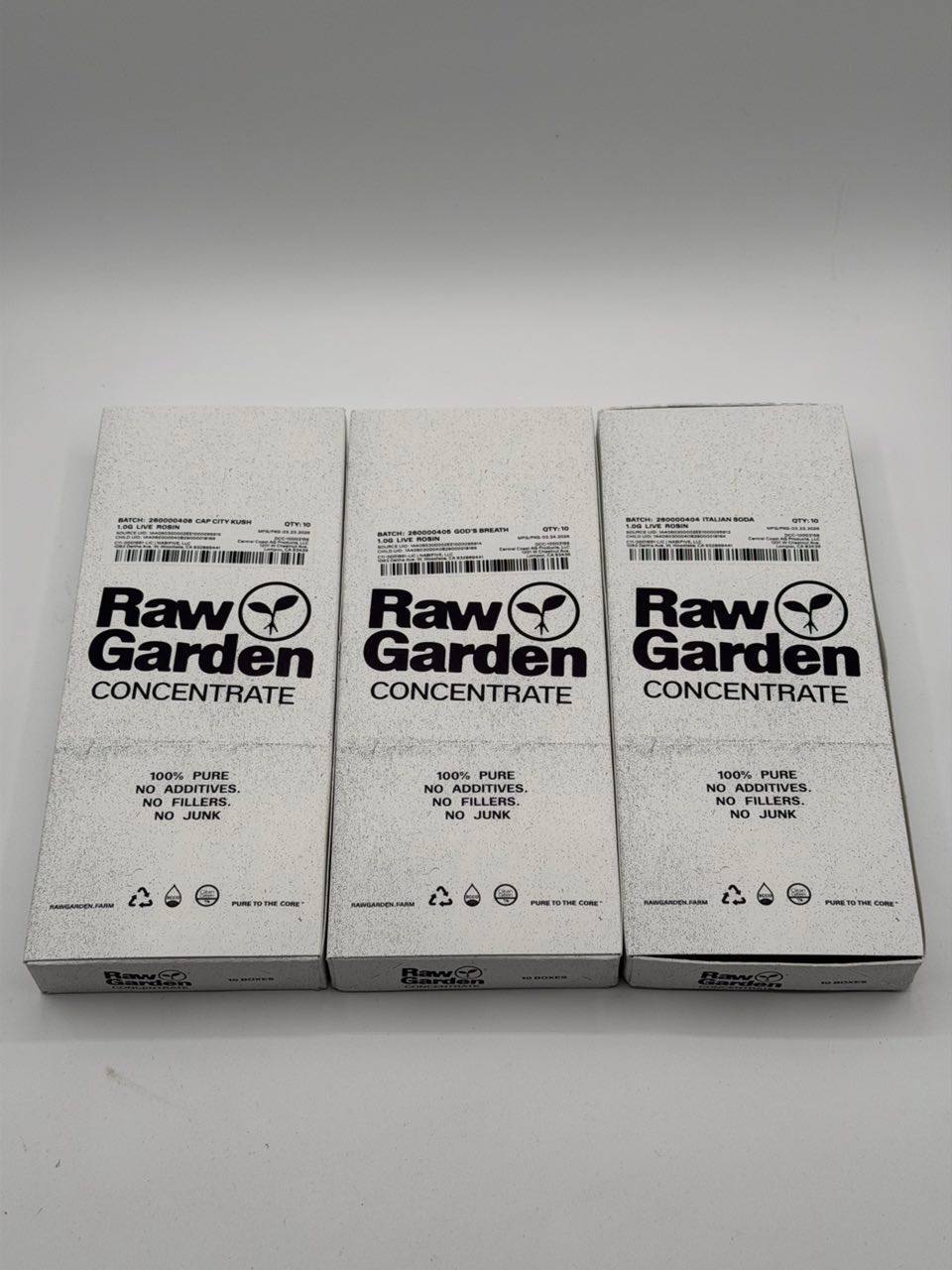
Raw Garden, as a brand, is frequently associated with consistency, scalability, and accessibility in regulated markets. Its live rosin products are generally discussed within the context of standardized production practices and controlled cultivation environments.
As consumer interest in solventless extracts continues to grow, live rosin has increasingly become a focal point for those seeking minimal processing and full-spectrum chemical profiles.
Comparison with Other Concentrates
Live rosin is often compared with other concentrate types such as:
- Distillates
- Live resin
- Shatter
- Wax or budder
Compared to distillates, live rosin generally retains a broader spectrum of plant compounds. In contrast to hydrocarbon-based live resin, it avoids chemical solvents entirely, relying instead on mechanical separation methods.
While distillates may offer higher potency in isolated cannabinoid form, live rosin is often valued for its aromatic complexity and full-spectrum profile. Meanwhile, consistency and purity are frequently highlighted as distinguishing features.
Conclusion
Raw Garden Live Rosin represents a refined expression of solventless cannabis extraction, combining fresh-frozen plant material with mechanical separation techniques to preserve a broad range of cannabinoids and terpenes. Through careful cultivation, controlled processing, and strict quality management, the resulting concentrate is typically characterized by rich aroma, textured consistency, and a full-spectrum chemical profile.
As interest in solventless concentrates continues to expand, live rosin remains an important reference point within the evolving cannabis industry. Its emphasis on plant integrity and minimal processing has positioned it as a notable category for those studying modern extraction methods and their sensory outcomes.
Advanced Consumption Methods and Temperature Control
Building on its premium solventless profile, Raw Garden Live Rosin is often enjoyed through multiple consumption methods that influence flavor, potency, and overall experience. Although preferences vary, temperature control remains one of the most important factors in shaping how the concentrate performs.
Typically, low-temperature dabbing is favored because it preserves terpene integrity. When heat is kept moderate, the aromatic compounds remain stable longer, and a smoother vapor is often produced. As a result, users may notice a fuller flavor expression that closely mirrors the original strain profile.
On the other hand, higher-temperature dabs tend to produce stronger, more immediate effects. However, some terpene nuance may be reduced under excessive heat. Therefore, balancing temperature is generally considered essential for optimizing both taste and potency.
In addition, alternative consumption methods such as vaporizer-compatible concentrate chambers have become increasingly popular. These devices allow controlled heating, which helps maintain consistency across sessions. Consequently, live rosin can be experienced in a more refined and measured way.
Flavor Depth and Strain-Specific Expression
One of the most distinctive aspects of Raw Garden Live Rosin lies in its strain-specific flavor expression. Because the extraction process preserves a wide range of plant compounds, each strain typically retains its unique aromatic fingerprint.
For example, citrus-forward strains often present bright, tangy notes that feel sharp yet refreshing. Meanwhile, indica-dominant varieties may lean toward earthy, musky, or sweet undertones. Additionally, hybrid strains can create layered combinations that shift between fruity and herbal characteristics.
Moreover, terpene interaction plays a major role in shaping perceived flavor. When multiple terpenes are present, they do not simply add together; instead, they interact dynamically. As a result, subtle changes in ratio can significantly alter the final taste experience.
Because of this complexity, live rosin is often considered a “connoisseur” concentrate. It is frequently appreciated by those who value nuance rather than uniformity.
Effects Profile and Experience Variability
The effects associated with live rosin are influenced by multiple factors, including cannabinoid content, terpene composition, and individual tolerance. While THC is typically the primary psychoactive compound, supporting cannabinoids and terpenes may contribute to a more layered experience.
Generally, users report a rapid onset due to the concentrated nature of the product. Shortly after inhalation, effects may become noticeable, ranging from cerebral stimulation to deeper physical relaxation depending on the strain type.
Furthermore, sativa-dominant profiles are often associated with uplifting and energizing sensations. Conversely, indica-dominant profiles may encourage calmness and physical ease. Hybrid varieties, however, may produce balanced effects that shift gradually over time.
Although experiences vary widely, consistency in extraction helps ensure predictable potency levels across batches. Therefore, users can often expect a more reliable outcome compared to less standardized concentrate forms.
Purity, Solventless Integrity, and Consumer Trust
One of the strongest selling points of live rosin is its solventless production method. Because no chemical solvents are used, the final product is often perceived as cleaner and more natural.
In addition, this production approach reduces the risk of residual solvent contamination. As a result, many consumers associate live rosin with higher purity standards compared to hydrocarbon-extracted concentrates.
However, purity alone does not guarantee quality. Careful handling throughout the entire production chain remains essential. For instance, improper washing or drying can negatively affect flavor and texture even when no solvents are involved.
Therefore, brands like Raw Garden are often evaluated based on their ability to maintain consistency while preserving the integrity of the solventless process. Over time, this consistency contributes to stronger consumer trust and brand recognition.
Quality Indicators and What to Look For
When evaluating live rosin, several indicators are commonly used to assess quality. Although preferences may vary, certain characteristics are widely recognized as markers of a well-produced concentrate.
Firstly, aroma intensity is a key factor. A strong and distinct smell usually suggests good terpene preservation. Secondly, texture plays an important role; a smooth, pliable consistency often indicates proper curing and pressing techniques.
Additionally, color can provide indirect insight into processing conditions. While lighter shades are sometimes associated with cleaner refinement, color alone does not define quality. Instead, it should be considered alongside aroma and texture.
Moreover, vapor smoothness is another important indicator. A clean inhale with minimal harshness often reflects well-managed extraction and temperature control.
Storage Practices for Maximum Freshness
Proper storage significantly impacts the longevity of live rosin. Because it contains volatile terpenes, exposure to heat and oxygen can gradually degrade quality.
For best results, storage in a cool, dark environment is recommended. Refrigeration is often used, although it should be carefully managed to avoid condensation exposure. Airtight containers are also commonly employed to reduce oxidation.
Furthermore, repeated temperature fluctuations should be avoided. When the product is frequently moved between warm and cold environments, consistency may decline over time.
As a result, stable storage conditions are generally associated with better preservation of aroma, texture, and potency.
The Role of Raw Garden in the Solventless Market
Raw Garden is frequently discussed within the broader cannabis industry due to its emphasis on controlled cultivation and scalable extraction practices. While many solventless producers operate on a small artisanal scale, brands like Raw Garden often aim to combine quality with broader accessibility.
Consequently, their presence in regulated markets helps normalize live rosin as a widely available premium concentrate. This positioning has contributed to increased consumer awareness of solventless extraction methods.
In addition, consistent branding and standardized production have helped establish expectations around quality benchmarks. As the market continues to evolve, such standardization plays a key role in shaping consumer trust and product education.
Evolving Trends in Live Rosin Consumption
Over time, demand for solventless concentrates has steadily increased. This trend is largely driven by growing consumer interest in cleaner extraction methods and full-spectrum experiences.
Moreover, technological improvements in extraction equipment have made it easier to produce live rosin at scale without significantly compromising quality. As a result, availability has expanded in many regulated markets.
At the same time, consumers have become more educated about terpene profiles and strain-specific effects. Therefore, purchasing decisions are increasingly influenced by flavor expectations rather than potency alone.
Additionally, low-temperature vaporization techniques have gained popularity, further enhancing appreciation for terpene-rich concentrates.
Frequently Observed Questions About Live Rosin
What makes live rosin different from other concentrates?
Live rosin differs primarily because it is produced without solvents. Instead, ice water separation and heat-pressure extraction are used to preserve natural plant compounds.
Why is live rosin often more expensive?
It is typically more expensive due to labor-intensive production methods, yield limitations, and the careful handling required at every stage.
Does live rosin taste stronger than other extracts?
In many cases, yes. Because terpene preservation is prioritized, flavor intensity is often more pronounced compared to distillate-based products.
How long does live rosin stay fresh?
When properly stored in cool, airtight conditions, it can maintain quality for an extended period, although terpene levels may gradually decline over time.
Final Overview
Raw Garden Live Rosin stands as a refined example of solventless cannabis extraction, combining fresh-frozen plant material with mechanical processing to preserve a wide range of natural compounds. Throughout production, careful control of temperature, pressure, and handling plays a central role in shaping the final outcome.
In addition, its emphasis on terpene preservation and full-spectrum composition contributes to a rich sensory profile that distinguishes it from many other concentrate types. As consumer awareness continues to grow, live rosin remains a key reference point for quality and purity within the modern cannabis landscape.
Ultimately, its appeal is driven by a balance of craftsmanship, consistency, and plant integrity, making it a widely recognized option among concentrate enthusiasts seeking a more natural expression of cannabis.
Reviews
There are no reviews yet.