
Treasures Live Resin Caviar: Informational Overview
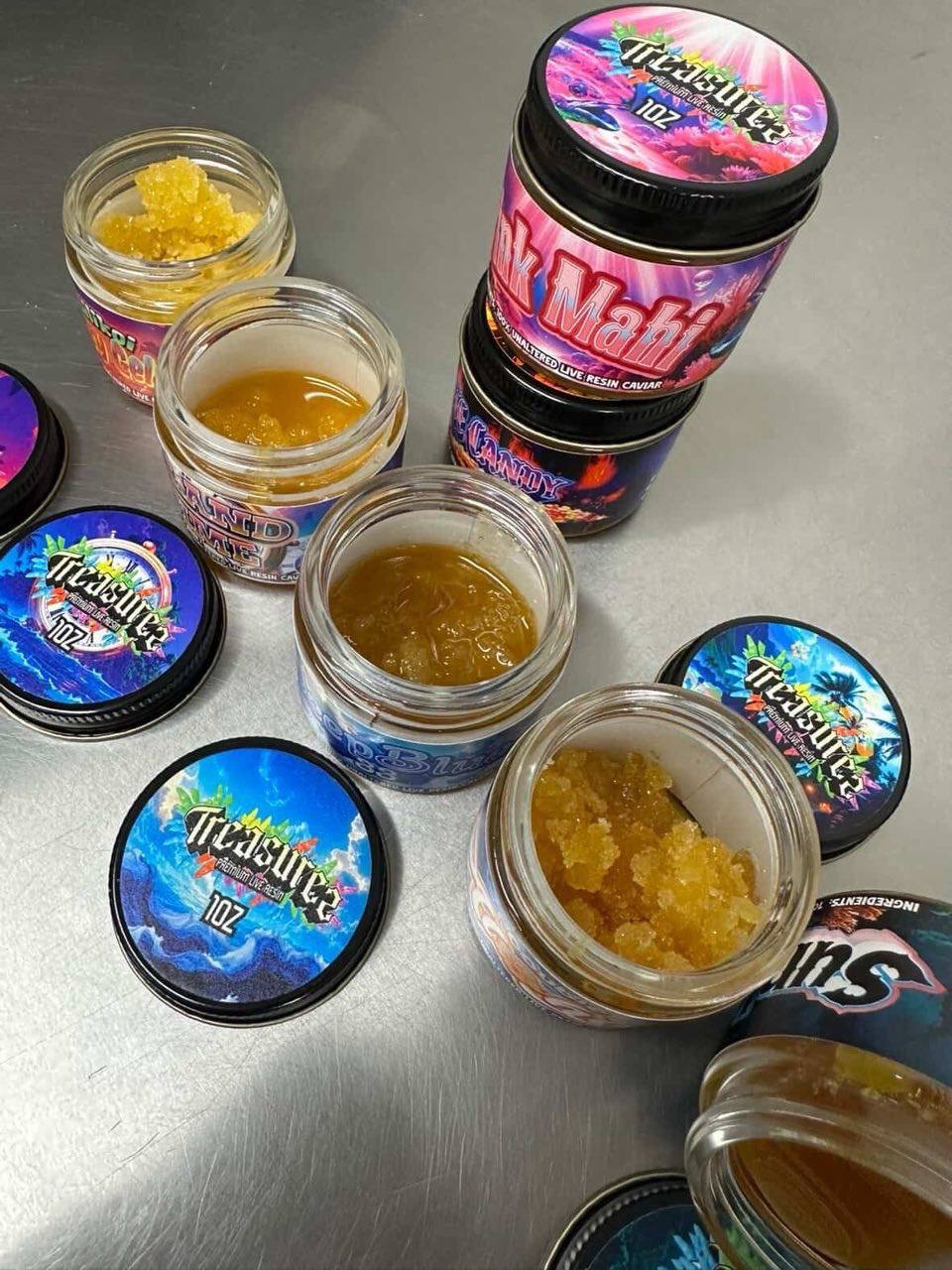
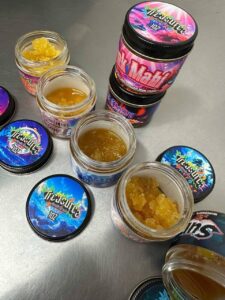
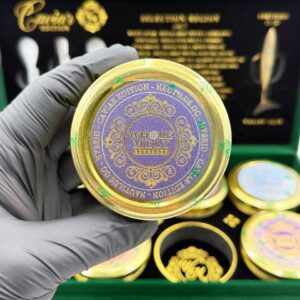
Treasures Live Resin Caviar is a cannabis concentrate product that combines highly potent cannabis extracts with terpene-rich components. The term “live resin” refers to an extract produced from freshly harvested cannabis that is frozen before extraction, a process intended to preserve aromatic compounds known as terpenes. The term “caviar” is commonly used within the cannabis industry to describe concentrate products that feature a dense texture and elevated cannabinoid content.
Live resin products are often recognized for their strong aroma and flavor profile. Because fresh-frozen plant material is used during production, a wider range of naturally occurring terpenes may be retained compared with some other extraction methods. These terpenes contribute to the scent and overall sensory characteristics associated with different cannabis varieties.
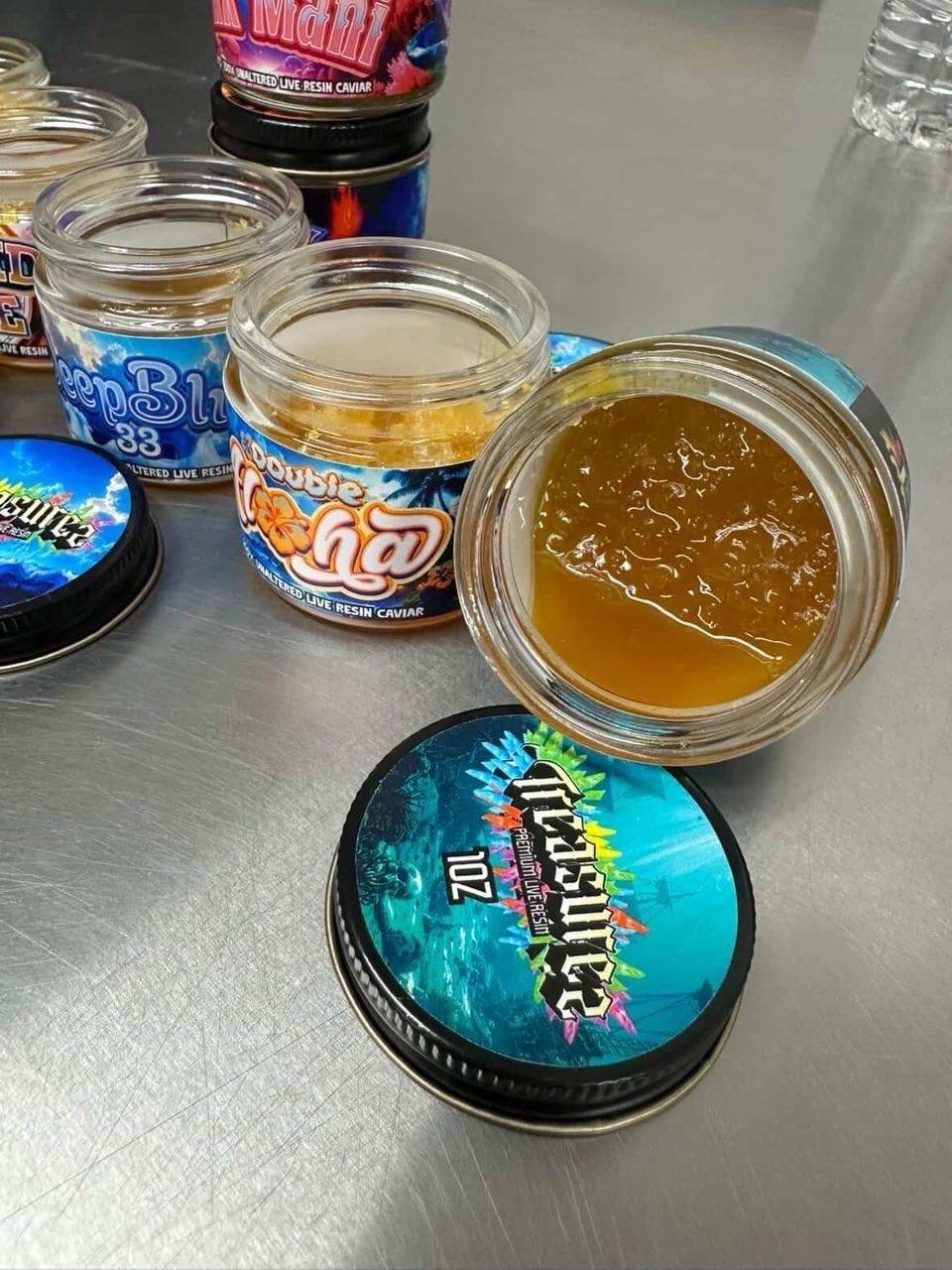
The appearance of live resin caviar can vary depending on manufacturing methods, cannabinoid concentrations, and terpene content. Some products display a glossy texture, while others appear more granular or crystalline. Color may range from light amber to deeper golden tones.
Cannabis concentrates generally contain higher cannabinoid levels than traditional cannabis flower. As a result, potency can differ significantly from other forms of cannabis. Consumers should review product labeling carefully and understand cannabinoid concentrations before use. Individual experiences vary based on factors such as dosage, tolerance, body chemistry, and product formulation.

Manufacturing standards, extraction techniques, and quality-control procedures play important roles in determining product consistency and purity. Reputable producers commonly test their concentrates for cannabinoid content and may also screen for contaminants such as residual solvents, pesticides, heavy metals, and microbial impurities where regulations require such testing.
Storage conditions can affect concentrate quality over time. Exposure to excessive heat, light, or air may influence texture, aroma, and overall stability. Many manufacturers recommend storing concentrates in sealed containers and keeping them in cool, dark environments.
Regulations surrounding cannabis products vary significantly between jurisdictions. Availability, legal status, labeling requirements, and testing standards depend on local laws. Consumers should consult applicable regulations within their region before purchasing or possessing cannabis-derived products.
As with other cannabis concentrates, responsible use practices are important. Individuals should remain aware of potency levels and potential effects. Cannabis products may not be appropriate for everyone, and local health guidance should be considered when evaluating cannabis-related products.
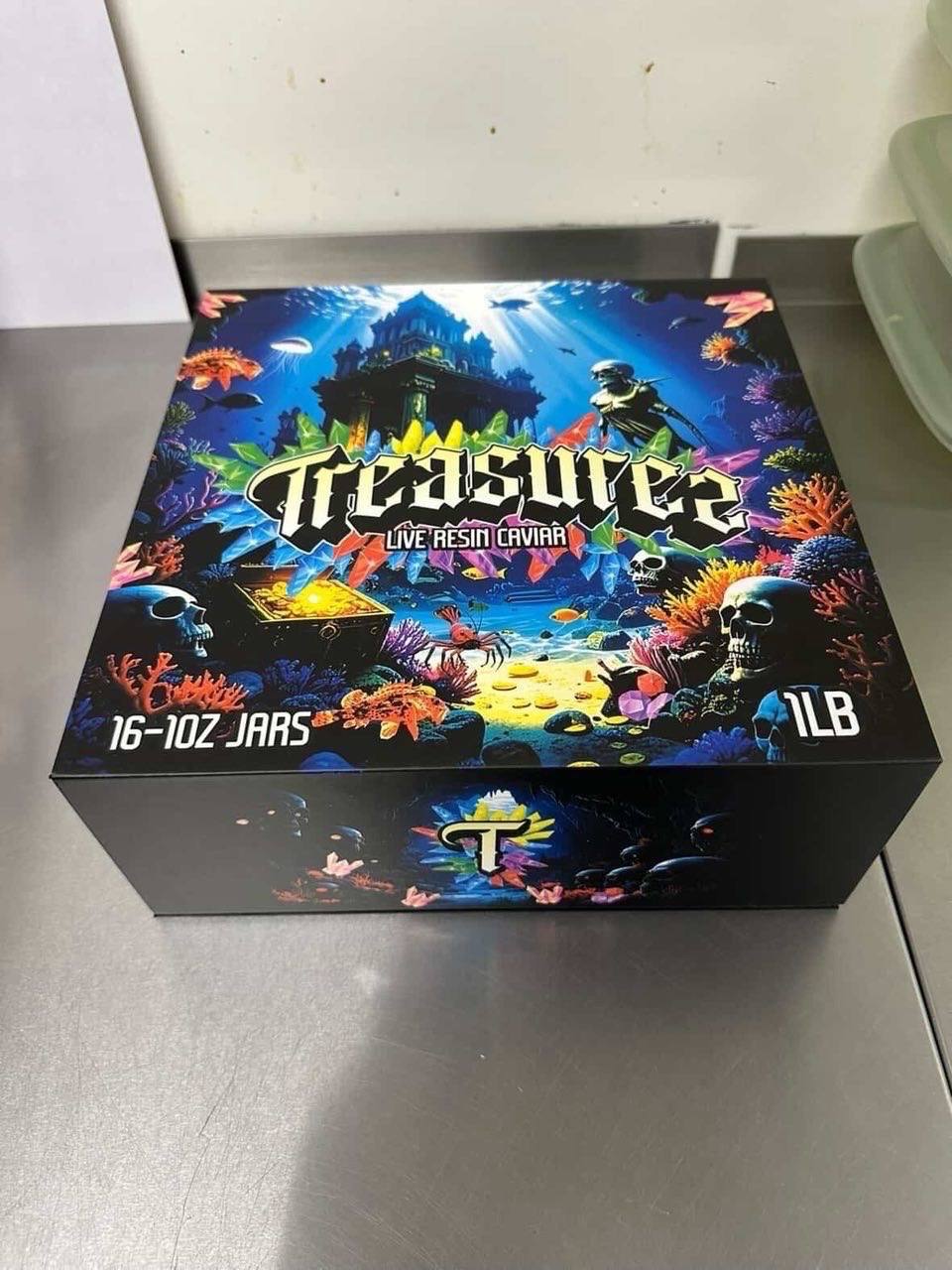
Treasure Live Resin Caviar represents one category within the broader cannabis concentrate market. Its defining characteristics typically include terpene-rich extraction methods, concentrated cannabinoid content, and a texture associated with caviar-style formulations. Product-specific characteristics may vary by manufacturer, batch, and formulation.

Understanding the Production Process
The production of live resin caviar begins with freshly harvested cannabis plant material. Instead of being dried and cured through traditional methods, the plant is frozen shortly after harvest. This preservation technique helps maintain a broader spectrum of naturally occurring compounds, including terpenes and cannabinoids.
Extraction methods vary among manufacturers. Many producers use specialized processes designed to separate desirable compounds from plant material while maintaining product integrity. After extraction, additional refinement steps may be performed to achieve the intended consistency and composition.
The final texture of a live resin caviar product depends on several factors, including extraction conditions, terpene concentration, cannabinoid ratios, and post-processing techniques. Because of these variables, products marketed under the same category may exhibit noticeable differences in appearance and composition.
Cannabinoids and Terpenes
Cannabinoids are naturally occurring compounds found in cannabis plants. Researchers continue to study these compounds and their interactions within the human body. Common cannabinoids include tetrahydrocannabinol (THC), cannabidiol (CBD), and numerous minor cannabinoids that may appear in smaller quantities.
Terpenes are aromatic compounds found in cannabis and many other plants. They contribute to distinctive scents and flavors. Examples of commonly identified terpenes include myrcene, limonene, pinene, linalool, and caryophyllene. The terpene profile of a product often varies according to the source plant and extraction process.
Scientists continue to investigate how cannabinoids and terpenes interact. While consumer interest in these interactions remains high, ongoing research is needed to better understand their effects and mechanisms.
Laboratory Testing and Quality Assurance
Many regulated cannabis markets require laboratory analysis before products reach consumers. Testing procedures may evaluate several characteristics, including:
- Cannabinoid concentration
- Terpene composition
- Residual solvent levels
- Heavy metal contamination
- Pesticide residues
- Microbial contaminants
Testing standards differ among jurisdictions. As a result, consumers may encounter varying requirements depending on local regulations. Reviewing available laboratory documentation can provide additional information about product composition and quality-control measures.
Storage Considerations
Proper storage contributes to maintaining concentrate quality. Environmental factors such as temperature, humidity, oxygen exposure, and direct sunlight can influence product characteristics over time.
Manufacturers often recommend storing concentrates in sealed containers designed to minimize exposure to air. Stable temperatures and reduced light exposure may help preserve aroma, texture, and overall product consistency.
Industry Trends
The cannabis concentrate sector has evolved significantly in recent years. Advances in extraction technology, testing procedures, and quality-control standards have contributed to increased product diversity. Consumers now encounter a wide range of concentrate categories, including live resin, rosin, wax, shatter, sauce, diamonds, and caviar formulations.
As regulations continue to develop, industry participants frequently adapt manufacturing practices to meet updated compliance requirements. This evolution influences product labeling, testing protocols, packaging standards, and consumer education efforts.
Research and Future Developments
Cannabis science remains an active area of research. Investigators continue to examine cannabinoid chemistry, terpene profiles, cultivation techniques, extraction technologies, and product stability. Future studies may provide additional insights into the characteristics and composition of concentrate products such as live resin caviar.
Continued advancements in analytical testing may also improve understanding of product consistency and chemical composition. As knowledge expands, consumers, researchers, and industry professionals may gain a clearer picture of how different concentrate formulations compare within the broader cannabis marketplace.
Comparing Live Resin Caviar with Other Cannabis Concentrates
The cannabis concentrate market includes numerous product categories, each with unique production methods and physical characteristics. Understanding these distinctions can help consumers and researchers better evaluate concentrate products within a broader context.
Live Resin
Live resin is produced from fresh-frozen cannabis plant material. The freezing process occurs shortly after harvest, which helps preserve a substantial portion of the plant’s original terpene profile. The resulting extract often exhibits a pronounced aroma and a texture that can range from liquid-like to semi-solid depending on processing methods.
Wax
Wax concentrates typically feature a softer texture created through extraction and post-processing techniques. Depending on manufacturing methods, wax may appear creamy, crumbly, or whipped. Texture differences do not necessarily indicate potency differences, as cannabinoid concentrations can vary significantly between products.
Shatter
Shatter is known for its glass-like appearance and brittle consistency. When handled at appropriate temperatures, it may break into pieces rather than deforming. Production methods influence both transparency and stability.
Sauce
Sauce concentrates often contain a high terpene content and may include crystalline cannabinoid structures suspended within a liquid matrix. These products are frequently recognized for their aromatic characteristics and distinctive appearance.
Diamonds
Cannabis diamonds consist primarily of crystallized cannabinoids. Depending on production methods, they may be combined with terpene-rich extracts to create formulations with different textures and aromatic profiles.
Rosin
Rosin differs from many other concentrates because it is commonly produced without the use of chemical solvents. Instead, heat and pressure are applied to cannabis flower, hash, or other cannabis materials to extract desirable compounds.
Factors That Influence Product Characteristics
Several variables can affect the final characteristics of a live resin caviar product.
Plant Genetics
The genetic profile of the source plant influences cannabinoid production, terpene composition, growth characteristics, and overall chemical makeup. Different cultivars may produce notably different extract profiles even when processed using identical methods.
Cultivation Conditions
Environmental conditions during cultivation can impact plant development. Variables such as temperature, humidity, lighting, nutrient availability, and harvest timing may influence cannabinoid and terpene production.
Extraction Techniques
Manufacturers employ different extraction systems and refinement procedures. These choices affect texture, purity, terpene retention, and cannabinoid concentration. As extraction technology evolves, product consistency and quality-control capabilities continue to improve.
Post-Processing Methods
After extraction, producers may perform additional refinement steps. These processes can alter consistency, appearance, and chemical composition. Consequently, two products categorized as live resin caviar may differ considerably in texture and visual presentation.
Consumer Education and Product Labels
Product labels serve as important sources of information. Depending on local regulations, labels may include:
- Total cannabinoid content
- Individual cannabinoid percentages
- Terpene information
- Batch identification numbers
- Laboratory testing references
- Production dates
- Storage recommendations
- Regulatory compliance statements
Careful review of labeling information helps consumers understand product composition and compare products within the same category.
Regulatory Considerations
Cannabis regulations continue to evolve across different regions. Legal frameworks may address cultivation, extraction, testing, transportation, packaging, marketing, and retail distribution. Requirements often differ substantially from one jurisdiction to another.
Researchers, policymakers, and industry stakeholders continue to evaluate best practices for product safety, consumer education, and quality assurance. As scientific understanding expands, regulatory approaches may continue to adapt.
Conclusion
Treasure Live Resin Caviar belongs to a category of cannabis concentrates characterized by the use of fresh-frozen plant material and concentrated cannabinoid content. Its composition, texture, aroma, and appearance depend on numerous factors, including plant genetics, cultivation methods, extraction technology, and post-processing techniques.
As cannabis research progresses, greater insight may emerge regarding concentrate production, chemical composition, and quality standards. Continued scientific investigation, transparent testing practices, and informed consumer education remain important components of the evolving cannabis industry.
Historical Development of Cannabis Concentrates
Cannabis concentrates have existed in various forms for centuries. Traditional methods often involved collecting resin from cannabis plants and processing it into products used in different cultural contexts. Over time, extraction technologies evolved, leading to the development of modern concentrate categories that offer greater consistency and chemical characterization.
Advancements in analytical testing have contributed significantly to this evolution. Modern laboratories can identify and quantify cannabinoids, terpenes, and other compounds with a level of precision that was not available in earlier decades. As a result, manufacturers, researchers, and consumers now have access to more detailed information regarding product composition.
The emergence of live resin products reflected a growing interest in preserving the aromatic characteristics of freshly harvested cannabis. By freezing plant material immediately after harvest, producers sought to reduce the loss of volatile compounds that can occur during traditional drying and curing processes.
The Chemistry Behind Live Resin Caviar
The chemical profile of a cannabis concentrate can be highly complex. Hundreds of compounds may be present in varying concentrations, including cannabinoids, terpenes, flavonoids, and other plant-derived substances.
Cannabinoid Profiles
Cannabinoids represent one of the most studied groups of compounds found in cannabis. Different cultivars produce different cannabinoid ratios, which can influence the overall chemical makeup of an extract.
Some cannabinoids occur in relatively high concentrations, while others appear only in trace amounts. Ongoing research continues to investigate the characteristics and interactions of these compounds.
Terpene Preservation
Terpenes are particularly important when discussing live resin products. These aromatic molecules contribute to the scents associated with cannabis and many other plants. Because terpenes can be sensitive to environmental conditions, preservation methods often play a significant role in determining the final aromatic profile of an extract.
The fresh-frozen approach used in live resin production is intended to retain a broader spectrum of naturally occurring terpenes compared with some alternative processing methods.
Minor Constituents
In addition to cannabinoids and terpenes, cannabis extracts may contain numerous other naturally occurring compounds. Researchers continue to explore these constituents and their potential roles within the plant’s overall chemical profile.
Importance of Consistency in Manufacturing
Consistency remains a major focus within regulated cannabis industries. Manufacturers often seek to produce products that maintain similar characteristics across multiple production batches.
Several practices support consistency:
- Standardized cultivation procedures
- Controlled harvesting methods
- Documented extraction protocols
- Laboratory verification
- Batch tracking systems
- Quality assurance reviews
Even with standardized procedures, natural variation in agricultural products can still influence final outcomes.
Packaging and Preservation
Packaging serves multiple functions beyond product presentation. Proper packaging can help protect concentrates from environmental factors that may affect stability over time.
Manufacturers may consider:
- Light resistance
- Air exposure reduction
- Moisture protection
- Temperature stability
- Regulatory labeling requirements
Appropriate packaging contributes to product integrity throughout transportation, storage, and distribution.
Scientific Research and Future Directions
Research involving cannabis and cannabis-derived products continues to expand worldwide. Scientists investigate numerous topics, including:
- Plant genetics
- Cultivation science
- Extraction efficiency
- Analytical chemistry
- Product stability
- Quality-control methodologies
Future developments may lead to improved extraction technologies, more sophisticated testing procedures, and enhanced understanding of plant-derived compounds.
Industry Standards and Transparency
Transparency has become increasingly important within regulated cannabis markets. Consumers, healthcare professionals, researchers, and regulators often seek detailed information regarding product origin, testing practices, and manufacturing standards.
Industry transparency initiatives may include:
- Public laboratory reports
- Batch-specific testing information
- Ingredient disclosures
- Manufacturing process documentation
- Compliance certifications
These measures can contribute to greater understanding of product composition and production practices.
Educational Value of Product Classification
Product categories such as live resin, rosin, wax, sauce, diamonds, and caviar provide useful frameworks for discussing concentrate characteristics. However, classification systems are not always standardized across all markets.
As regulations and industry standards continue to mature, terminology may become more consistent. Clear definitions can support consumer education, scientific communication, and regulatory oversight.
Summary
Treasure Live Resin Caviar is part of a broader category of cannabis concentrates that emphasize concentrated cannabinoid content and terpene preservation. Its characteristics depend on numerous interconnected factors, including cultivation practices, plant genetics, extraction methods, storage conditions, and quality-control procedures.
Understanding these factors provides valuable context for evaluating cannabis concentrates from an educational and scientific perspective. As research progresses and industry standards evolve, additional information may emerge regarding production techniques, chemical composition, and quality-assurance practices within this rapidly developing field.
Understanding Extraction Technologies
Extraction technology plays a central role in the production of cannabis concentrates. The primary goal of extraction is to separate desirable compounds from plant material while maintaining product quality and consistency. Different extraction methods may influence cannabinoid concentrations, terpene retention, texture, and appearance.
Over the years, extraction systems have become increasingly sophisticated. Modern facilities often employ controlled environments, specialized equipment, and detailed quality-assurance protocols to support consistency throughout production.
Solvent-Based Extraction
Some concentrate manufacturers utilize solvent-based extraction methods. These processes rely on approved solvents to dissolve target compounds from plant material. Following extraction, additional purification and refinement stages may be performed to remove residual substances and improve product stability.
Regulated markets frequently require laboratory testing to verify that residual solvent levels remain within established limits. Testing procedures contribute to consumer safety and support compliance with local regulations.
Solventless Extraction
Alternative approaches use mechanical techniques rather than chemical solvents. These methods may involve pressure, heat, filtration, or agitation to separate resinous compounds from plant material.
Solventless products have gained attention among some consumers due to their production methods. However, product quality ultimately depends on numerous factors beyond extraction type alone, including source material quality, handling procedures, and storage conditions.
Quality Control Throughout Production
Quality control begins long before extraction occurs. Cultivation practices, harvesting techniques, transportation procedures, and storage conditions all influence the characteristics of the final product.
Many regulated manufacturers implement quality-control programs that include:
- Raw material inspections
- Equipment monitoring
- Process documentation
- Laboratory verification
- Batch record maintenance
- Packaging reviews
- Compliance audits
These measures help establish accountability throughout the production cycle.
The Role of Laboratory Analysis
Laboratory testing provides objective information about concentrate composition. Independent testing facilities may evaluate products using analytical instruments capable of identifying cannabinoids, terpenes, and potential contaminants.
Common testing categories include:
Potency Analysis
Potency testing measures cannabinoid concentrations and provides information regarding product composition. Results often appear on product labels where regulations require disclosure.
Contaminant Screening
Testing protocols may examine products for substances that could affect quality or safety. Depending on local regulations, laboratories may screen for:
- Pesticides
- Heavy metals
- Microbial contamination
- Residual solvents
- Foreign material
Terpene Analysis
Advanced analytical methods can identify individual terpenes present within a concentrate. Terpene analysis contributes to a more detailed understanding of product composition and aromatic characteristics.
Consumer Awareness and Product Literacy
As cannabis markets continue to evolve, consumer education remains increasingly important. Understanding terminology, testing information, and product categories can help individuals interpret available information more effectively.
Key concepts often include:
- Cannabinoid percentages
- Terpene profiles
- Batch numbers
- Production dates
- Storage recommendations
- Laboratory certifications
Greater product literacy supports informed decision-making and encourages careful evaluation of available information.
Environmental Considerations
Environmental sustainability has become an area of interest across many agricultural and manufacturing industries, including cannabis production. Researchers and industry participants continue to explore methods for reducing resource consumption while maintaining product quality.
Areas of ongoing evaluation include:
- Energy efficiency
- Water conservation
- Waste reduction
- Packaging sustainability
- Supply-chain optimization
Because production practices vary significantly among manufacturers, environmental impacts may differ substantially across facilities and regions.
Global Perspectives
Cannabis regulations differ widely around the world. Some jurisdictions maintain highly regulated legal frameworks, while others restrict or prohibit cannabis-related activities. These differences influence cultivation standards, extraction practices, testing requirements, and consumer access.
As international research expands, comparisons between regulatory systems may provide insights into product quality standards, safety practices, and market development strategies.
Looking Ahead
Scientific understanding of cannabis continues to grow. Researchers are examining cultivation methods, extraction technologies, analytical techniques, and chemical composition with increasing sophistication. Future developments may improve standardization, testing accuracy, and transparency throughout the industry.
While product categories such as live resin caviar remain relatively specialized, they reflect broader trends within the concentrate sector, including interest in terpene preservation, quality assurance, and detailed chemical characterization. Continued research and regulatory development will likely shape how these products are evaluated and understood in the years ahead.


Reviews
There are no reviews yet.