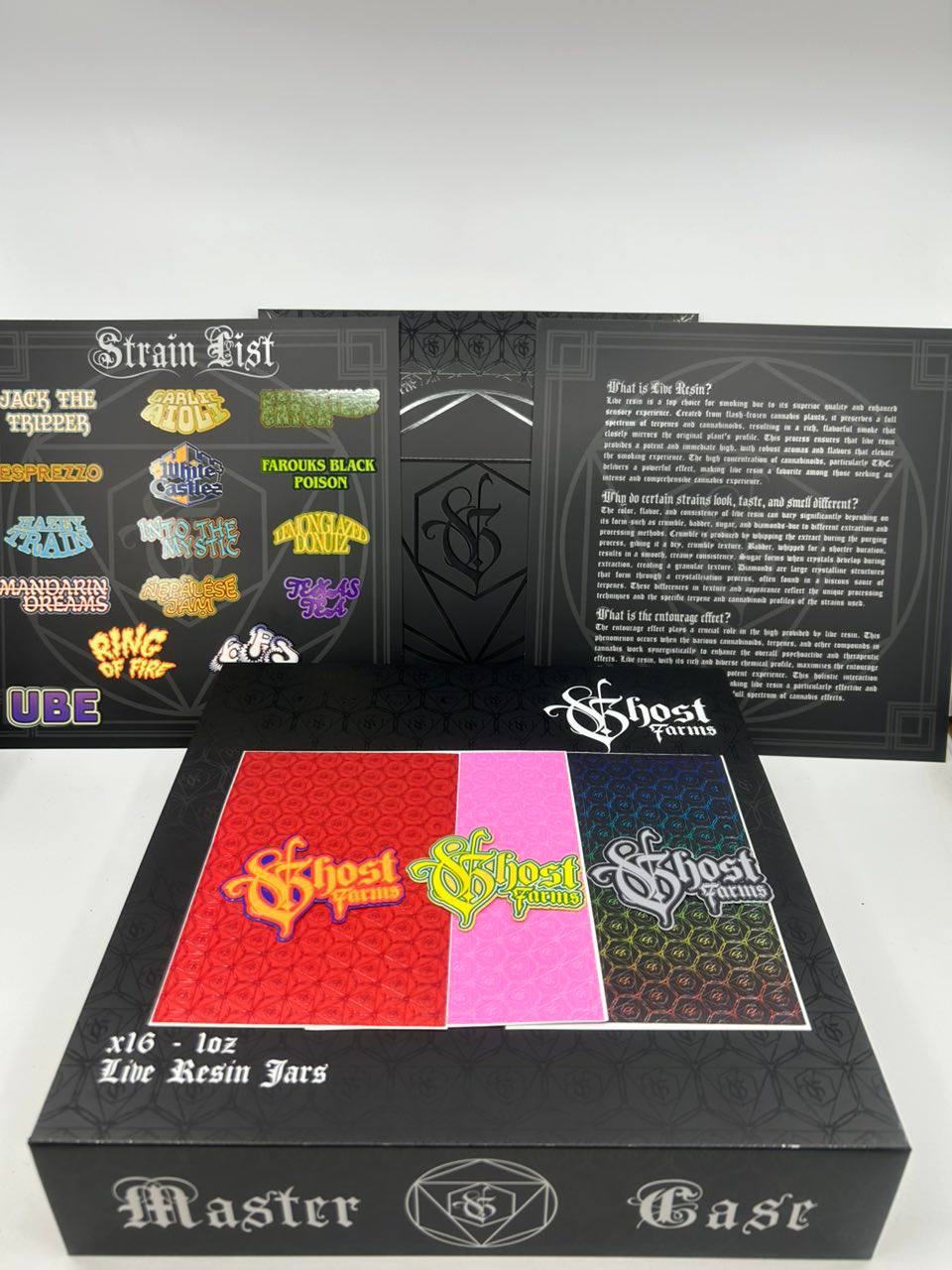


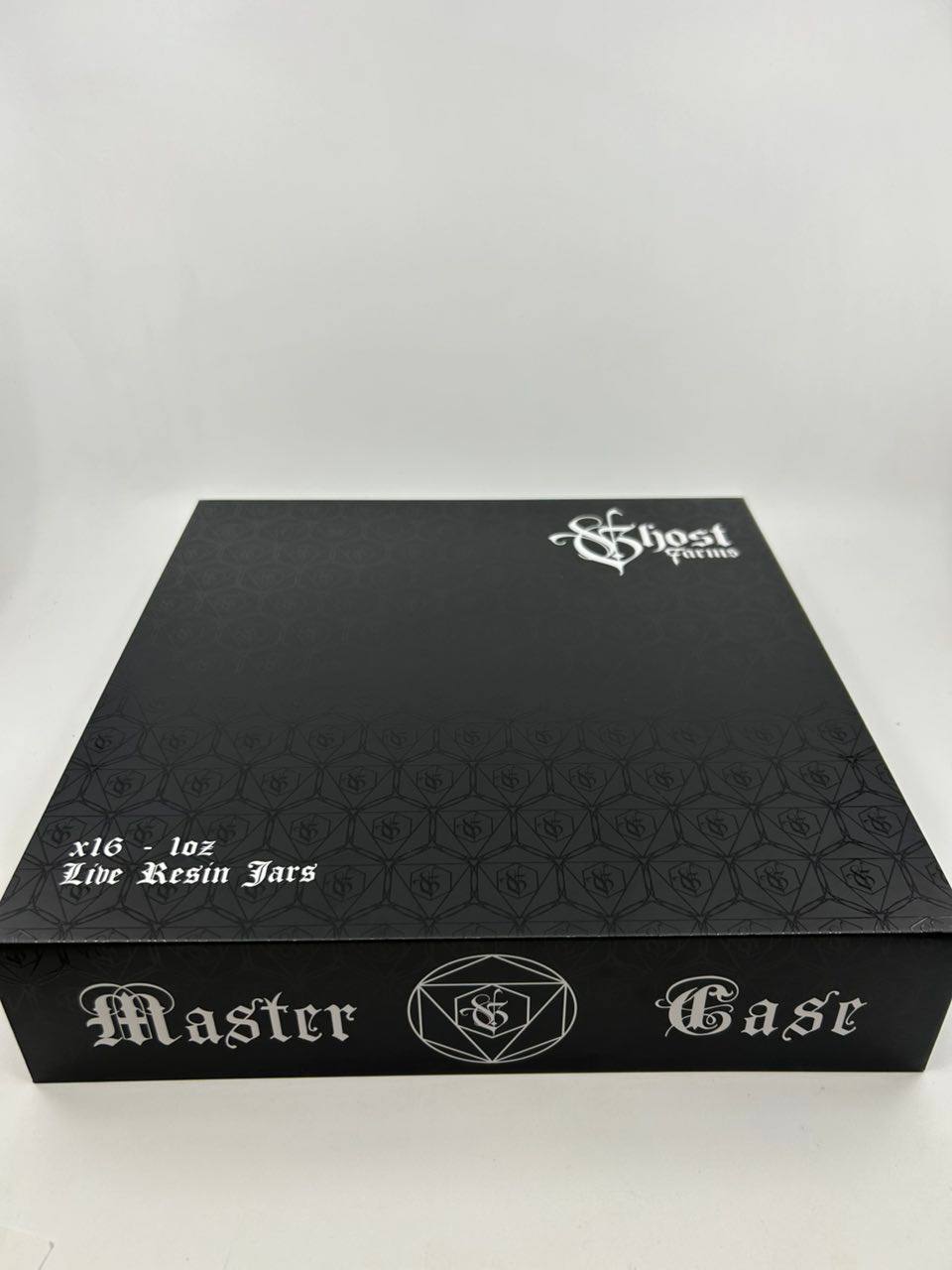
Ghost Farm Live Resin Baller Box – Premium Concentrate Collection Overview
The Ghost Farm Live Resin Baller Box represents a modern approach to cannabis concentrate packaging, offering a larger-format option designed for consumers who appreciate terpene-rich extracts and consistent presentation. Within regulated cannabis markets, live resin products continue to attract attention because they preserve more of the plant’s original aromatic compounds during extraction. Consequently, many concentrate enthusiasts explore live resin selections when comparing flavor profiles, texture consistency, and strain-specific characteristics.
Live resin concentrates differ from several traditional extract categories due to the production process used during harvesting and extraction. Fresh cannabis material is typically frozen shortly after harvest instead of being dried and cured over an extended period. As a result, the terpene profile often remains more pronounced throughout processing. This preservation method contributes to the distinctive aroma commonly associated with live resin products.
The Ghost Farm Live Resin Baller Box combines larger-capacity concentrate storage with strain-focused presentation. In many cases, consumers who prefer bulk concentrate options select baller box packaging because it offers convenience and consistent access to a preferred extract format. Additionally, the packaging style often supports organized storage while helping maintain product freshness under appropriate conditions.
Understanding Live Resin Concentrates
Live resin has become one of the most recognized concentrate categories in modern cannabis culture. The extraction process emphasizes terpene retention, which plays an important role in the aroma and flavor profile of the final product. Therefore, many consumers compare live resin products based on terpene complexity rather than focusing exclusively on cannabinoid percentages.
Terpenes are naturally occurring compounds found in cannabis and many other plants. They contribute to aromas that range from citrus and pine to herbal, floral, earthy, or sweet notes. Because live resin extraction aims to preserve these compounds, the resulting concentrate often carries a stronger aromatic presence than some alternative extract formats.
The consistency of live resin can vary significantly depending on extraction techniques and post-processing methods. Some products display a sauce-like texture, while others appear crystalline, waxy, or semi-liquid. Furthermore, variations may occur between batches due to differences in plant material and terpene concentration.
Consumers frequently compare live resin with concentrates such as shatter, wax, distillate, and rosin. Although every concentrate category offers unique characteristics, live resin is commonly associated with terpene preservation and broader flavor representation. Consequently, the category continues to expand in regulated cannabis markets worldwide.
Packaging Design and Presentation
The Ghost Farm Live Resin Baller Box emphasizes organized concentrate storage with packaging intended to support freshness and product stability. Many larger-format concentrate packages include secure sealing systems that reduce unnecessary air exposure during storage. As a result, the product may retain aroma and texture quality more effectively over time.
Packaging design also influences consumer perception within the cannabis industry. Modern concentrate packaging often incorporates durable materials, clear labeling, and verification systems intended to support transparency. In addition, regulated markets frequently require detailed labeling information that includes cannabinoid content, production dates, laboratory testing references, and legal compliance notices.
Some concentrate enthusiasts appreciate baller box formats because they reduce the need for frequent repurchasing. Therefore, larger-capacity packaging has become increasingly visible across dispensary menus and concentrate collections. The presentation style also reflects broader industry trends focused on convenience and storage efficiency.
The visual identity of many live resin products emphasizes strain heritage, terpene profiles, and extraction quality. Consequently, packaging aesthetics often incorporate detailed graphics, modern typography, and authenticity markers that distinguish products within competitive cannabis markets.

Aroma and Flavor Characteristics
One of the defining features of live resin concentrates involves their aromatic intensity. Because fresh cannabis material is preserved quickly after harvest, the resulting extract often retains a broader terpene spectrum. As a result, consumers frequently describe live resin as flavorful, aromatic, and strain expressive.
Different strain varieties contribute distinct terpene combinations that influence aroma perception. Citrus-forward profiles may contain bright lemon or orange notes, while earthy strains can produce herbal and woody characteristics. Similarly, some extracts display sweet or dessert-inspired aromas depending on cultivar genetics and terpene composition.
Flavor perception also varies according to storage conditions and concentrate consistency. Proper handling supports terpene preservation, which directly affects the sensory experience associated with live resin products. Furthermore, temperature exposure may influence aroma intensity over time if concentrates are not stored correctly.
Many consumers appreciate strain-specific live resin because it reflects characteristics associated with the original plant material. Therefore, concentrate enthusiasts often explore multiple terpene profiles when comparing available products within regulated markets.
Extraction and Preservation Process
The extraction process used for live resin differs from methods commonly associated with dried cannabis concentrates. Freshly harvested plant material is frozen shortly after collection to help preserve delicate compounds before extraction begins. Consequently, more volatile aromatic elements may remain intact throughout processing.
Extraction professionals typically use controlled environments and specialized equipment during production. Temperature management plays an important role because terpene compounds can degrade when exposed to excessive heat. Therefore, maintaining stable processing conditions remains essential for preserving concentrate quality.
After extraction, the concentrate may undergo additional refinement and consistency adjustments depending on the intended final texture. Some products maintain a sauce-like appearance, while others develop crystalline formations within terpene-rich liquid layers. Additionally, manufacturers may use post-processing methods to influence stability and presentation.
Laboratory testing frequently accompanies regulated concentrate production. Testing procedures may evaluate cannabinoid content, terpene composition, residual solvents, pesticides, and microbial contaminants. As a result, consumers in regulated regions often rely on laboratory transparency when comparing concentrate brands and product categories.
Consumer Interest in Baller Box Formats
Baller box packaging has gained visibility among concentrate consumers who prefer larger quantities and organized storage formats. Many users appreciate the convenience associated with bulk concentrate options because they simplify inventory management and reduce packaging waste. Consequently, baller box presentations continue to expand within cannabis retail environments.
Larger-format packaging may also appeal to consumers interested in maintaining consistency across multiple sessions. Rather than purchasing smaller containers repeatedly, some individuals select baller box options for extended use and storage convenience. Furthermore, the packaging style often supports easier product organization within personal collections.
Cannabis concentrate culture continues to evolve alongside changing consumer preferences. Therefore, packaging innovation remains an important aspect of brand identity and market differentiation. Baller box products represent one example of how concentrate brands adapt to demand for convenience-focused solutions.
The rise of concentrate-focused communities has also contributed to increased interest in premium extract formats. Online discussions frequently compare terpene profiles, consistency textures, extraction techniques, and storage recommendations. As a result, informed consumers often evaluate concentrate products using detailed quality criteria beyond potency alone.

Storage Recommendations and Freshness
Proper storage plays an important role in preserving live resin quality. Because terpene compounds are sensitive to environmental exposure, consumers often store concentrates in cool, dark conditions to maintain aroma and consistency. Additionally, airtight containers help reduce oxidation during long-term storage.
Temperature fluctuations may affect concentrate texture over time. Some products become more liquid under warmer conditions, while colder temperatures can increase firmness or crystallization. Therefore, stable storage environments are generally preferred for maintaining product consistency.
Direct sunlight exposure can also influence terpene stability and cannabinoid preservation. Consequently, many consumers keep concentrates away from heat sources and bright lighting conditions. Refrigeration may be used in some cases, although improper moisture exposure should be avoided.
Packaging integrity contributes significantly to freshness preservation. Secure lids and sealed containers reduce unnecessary air contact while supporting product stability. Furthermore, consumers frequently review packaging dates and batch information before selecting concentrate products in regulated dispensaries.
Market Trends and Industry Growth
The cannabis concentrate category has experienced substantial growth across many regulated markets. Live resin products, in particular, continue to attract attention due to their terpene-focused characteristics and strain-specific presentation. Consequently, manufacturers increasingly invest in extraction technology and packaging innovation to meet evolving consumer demand.
Concentrate consumers often seek detailed information regarding extraction methods, terpene profiles, and laboratory testing standards. As a result, transparency has become an important factor within the cannabis industry. Brands that provide accessible product information may build stronger trust among informed consumers.
The expansion of cannabis legalization has also influenced concentrate availability. In some regions, regulated dispensaries now offer extensive concentrate menus that include live resin, rosin, distillate, wax, and sauce categories. Therefore, product diversity continues to shape purchasing decisions within legal cannabis markets.
Education remains another important aspect of concentrate culture. Many consumers research product differences before exploring new extract formats. Additionally, dispensary staff and educational resources often explain terpene preservation, extraction techniques, and responsible storage practices to support informed purchasing decisions.
Product Transparency and Labeling
Modern cannabis consumers increasingly value transparency when evaluating concentrate products. Clear labeling provides important information regarding cannabinoid percentages, terpene content, extraction methods, and laboratory verification. Consequently, regulated packaging standards continue to evolve throughout the cannabis industry.
Many live resin products include batch numbers and manufacturing dates to support traceability. These identifiers help consumers verify freshness while improving accountability within supply chains. Furthermore, scannable authentication systems have become more common in regulated markets.
Laboratory testing information often appears directly on concentrate packaging or through digital verification platforms. Testing may evaluate purity, residual solvents, microbial contaminants, and potency metrics. Therefore, transparent testing standards contribute to consumer confidence and product safety awareness.
Packaging regulations vary significantly depending on regional cannabis laws. Some jurisdictions require detailed warning labels, child-resistant containers, and dosage disclosures. As a result, concentrate brands must adapt packaging strategies to comply with local regulations while maintaining consistent presentation quality.
The Role of Terpenes in Live Resin
Terpenes remain one of the most discussed aspects of live resin concentrates. These aromatic compounds contribute significantly to flavor perception and strain identity. Because live resin extraction preserves more volatile compounds, terpene expression often becomes more noticeable within the final extract.
Different terpene combinations create diverse sensory profiles. Some concentrates produce fruity and citrus-inspired aromas, while others display pine-forward, herbal, floral, or earthy characteristics. Consequently, terpene exploration has become an important part of concentrate appreciation among enthusiasts.
Terpene preservation also influences how consumers compare concentrate quality. Rather than focusing exclusively on cannabinoid percentages, many experienced users evaluate aroma intensity and flavor complexity when selecting live resin products. Furthermore, terpene-rich concentrates often attract consumers interested in strain authenticity and sensory detail.
Research regarding terpenes continues to expand alongside cannabis industry growth. As a result, educational discussions surrounding terpene science, extraction preservation, and sensory analysis have become increasingly common within cannabis communities and retail environments.
Responsible Purchasing Considerations
Cannabis concentrates are subject to varying legal frameworks depending on location. Therefore, consumers should review local laws before purchasing or possessing live resin products. Availability, possession limits, and packaging requirements differ significantly between jurisdictions.
Responsible purchasing practices also involve selecting products from licensed and regulated sources where permitted by law. Regulated retailers typically provide laboratory-tested products and compliance-focused packaging standards. Consequently, consumers often prioritize transparency and authenticity when evaluating concentrate brands.
Storage responsibility remains equally important, particularly in households with children or pets. Secure storage practices help reduce accidental exposure while supporting overall safety. Additionally, consumers should review product labeling carefully before use.
Concentrate potency may differ significantly between products and extract categories. Therefore, consumers often research product information and strain characteristics before selecting a concentrate format that aligns with their preferences and experience levels.
Final Overview
The Ghost Farm Live Resin Baller Box reflects broader trends within the evolving cannabis concentrate market, combining larger-format packaging with terpene-focused live resin presentation. Because live resin extraction emphasizes preservation of aromatic compounds, the category continues to attract attention from consumers interested in flavor complexity and strain authenticity.
Packaging innovation, laboratory transparency, and storage efficiency remain central themes within the concentrate industry. Consequently, baller box formats have become increasingly recognizable among consumers seeking convenience-focused concentrate solutions. The combination of organized presentation and strain-specific extract characteristics contributes to the growing visibility of live resin products across regulated cannabis markets.
As cannabis concentrates continue to evolve, live resin remains closely associated with terpene preservation, sensory detail, and extraction craftsmanship. Furthermore, consumer education regarding storage practices, labeling standards, and responsible purchasing continues to shape the future of concentrate culture.
Concentrate Culture and Consumer Preferences
Cannabis concentrate culture has expanded rapidly during the last decade as consumers explore products that emphasize terpene preservation, extraction craftsmanship, and strain authenticity. Live resin concentrates, including larger-format baller box options, have become increasingly visible within dispensaries and regulated cannabis markets. Consequently, many enthusiasts compare concentrates based on aroma complexity, consistency texture, and overall presentation rather than relying solely on potency information.
The Ghost Farm Live Resin Baller Box reflects this broader shift toward premium concentrate experiences. Larger-capacity packaging appeals to consumers who value convenience, organization, and consistent access to a preferred extract style. In addition, the baller box format aligns with modern packaging trends that prioritize secure storage and streamlined product handling.
Consumer expectations within the concentrate category continue to evolve as educational resources become more accessible. Many buyers now research terpene profiles, extraction methods, and laboratory standards before making purchasing decisions. Therefore, transparency has become one of the defining characteristics of reputable concentrate brands operating within regulated markets.
Digital cannabis communities also influence product popularity and purchasing trends. Online discussions frequently explore strain comparisons, extraction quality, and packaging design. As a result, concentrate consumers often develop detailed preferences regarding texture consistency, aroma preservation, and overall product presentation.
Strain-Specific Profiles and Product Identity
Many live resin products emphasize strain-specific characteristics because the extraction process aims to preserve compounds associated with the original cannabis cultivar. Therefore, each concentrate may deliver a distinct aromatic identity shaped by terpene composition and plant genetics.
Some strain varieties are recognized for citrus-forward profiles that feature lemon, orange, or tropical fruit notes. Others display earthy or herbal characteristics associated with pine, spice, or woody aromas. Additionally, dessert-inspired strains may produce sweeter aromatic impressions that resemble baked goods or candy-like notes.
The Ghost Farm Live Resin Baller Box may include strain-focused labeling that highlights these distinctions. Clear product information allows consumers to compare flavor characteristics and terpene combinations more effectively. Consequently, strain identity has become a major component of concentrate branding and consumer education.
Terpene diversity contributes significantly to the sensory appeal associated with live resin products. Because different cultivars produce unique aromatic combinations, concentrate enthusiasts often explore multiple strain categories to experience broader flavor variation. Furthermore, strain-focused branding helps distinguish products within competitive retail environments.
Texture and Consistency Variations
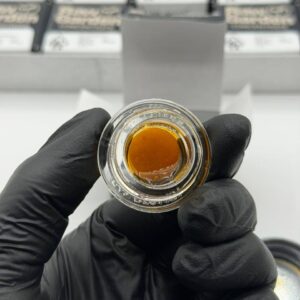
The texture of live resin concentrates varies considerably depending on extraction conditions, terpene concentration, and post-processing techniques. Some products develop a sauce-like consistency with visible crystalline structures, while others appear smoother or more wax-like in texture. Consequently, concentrate consumers often evaluate products based on visual presentation alongside aroma and flavor characteristics.
Sauce-style live resin products typically contain terpene-rich liquid combined with cannabinoid crystals. This combination creates a visually distinct appearance that many enthusiasts associate with premium extraction quality. In contrast, thicker consistencies may emphasize stability and easier handling during storage.
Environmental conditions can also influence concentrate texture over time. Warmer temperatures may soften certain extracts, whereas cooler storage environments can encourage firmer consistency or crystallization. Therefore, proper storage remains important for maintaining product integrity and preserving terpene content.
Manufacturers often refine extraction and curing techniques to achieve desired texture outcomes. As a result, consistency variation has become an expected aspect of concentrate production rather than an indicator of inconsistency or quality concerns.
Packaging Innovation in the Cannabis Industry
Packaging design has become increasingly sophisticated within the cannabis sector as brands compete for visibility and consumer trust. The Ghost Farm Live Resin Baller Box reflects industry trends focused on functionality, aesthetics, and compliance. Consequently, concentrate packaging now serves both practical and branding purposes across regulated markets.
Secure storage systems help protect concentrates from environmental exposure while supporting freshness preservation. Airtight containers reduce unnecessary oxidation, which may influence terpene stability over extended periods. In addition, durable packaging materials help maintain consistency during transportation and storage.
Child-resistant features are commonly required within regulated cannabis jurisdictions. Therefore, manufacturers must balance accessibility with compliance standards when developing concentrate packaging. Modern packaging solutions often integrate security mechanisms without compromising visual presentation or convenience.
Brand identity also plays a significant role in packaging development. Distinctive graphics, typography, and color schemes help differentiate products within dispensary environments. As a result, consumers frequently recognize concentrate brands through visual presentation before evaluating product specifications.
Laboratory Standards and Product Verification
Regulated cannabis markets increasingly emphasize laboratory transparency and product verification. Many live resin products undergo testing procedures that evaluate cannabinoid percentages, terpene composition, residual solvents, pesticides, and microbial contaminants. Consequently, laboratory reporting has become a central aspect of responsible concentrate manufacturing.
Testing standards vary by jurisdiction, although many regions require detailed compliance documentation before products reach retail shelves. These regulations support consumer safety while promoting accountability throughout the production process. Furthermore, transparent testing practices often strengthen consumer confidence within legal cannabis markets.
Batch numbers and verification systems contribute to product traceability. Consumers may use scannable codes or online databases to confirm authenticity and review laboratory information. Therefore, digital verification tools continue to gain importance across concentrate categories.
Manufacturers that prioritize compliance and transparency often emphasize testing procedures directly on product packaging. As a result, laboratory certification has become an important differentiator within competitive concentrate markets.
Consumer Education and Awareness
Educational content surrounding cannabis concentrates has expanded significantly as legalization efforts continue in various regions. Consumers now have greater access to information regarding extraction methods, terpene science, and responsible storage practices. Consequently, purchasing decisions increasingly reflect informed research rather than brand recognition alone.
Dispensary staff frequently assist consumers by explaining concentrate categories and product differences. Live resin products are often discussed in relation to terpene preservation and flavor complexity. Additionally, educational resources may clarify distinctions between live resin, rosin, wax, shatter, and distillate formats.
Responsible consumption awareness also remains an important topic within concentrate education. Because concentrates often contain higher cannabinoid levels than traditional flower products, consumers may review potency information carefully before selecting a product. Furthermore, regulated packaging commonly includes dosage guidance and safety warnings where required by law.
Online educational platforms and cannabis communities contribute to growing awareness regarding extraction quality and laboratory standards. As a result, consumers increasingly recognize the importance of regulated sourcing and transparent product labeling.
Industry Competition and Brand Development
The concentrate market continues to expand as brands introduce new extraction styles, packaging concepts, and terpene-focused product lines. Live resin categories remain highly competitive because consumers often associate them with premium flavor experiences and advanced extraction techniques. Consequently, manufacturers invest heavily in production quality and branding innovation.
Brand reputation within the cannabis industry frequently depends on consistency and transparency. Consumers often return to products that deliver reliable aroma profiles, stable texture, and verified laboratory results. Therefore, quality control has become a central priority for concentrate producers.
Social media and digital cannabis communities also influence brand visibility. Product photography, concentrate reviews, and educational discussions shape public perception regarding extract quality and packaging presentation. As a result, visual branding strategies play an increasingly important role in market positioning.
The Ghost Farm Live Resin Baller Box aligns with broader trends emphasizing convenience, terpene preservation, and premium concentrate identity. Larger-format packaging solutions continue to gain popularity among experienced concentrate consumers who value efficient storage and extended product access.
Legal and Regulatory Considerations
Cannabis laws vary significantly across jurisdictions, making legal awareness essential for both consumers and manufacturers. Some regions permit regulated recreational sales, while others restrict cannabis products to medical programs or prohibit them entirely. Consequently, availability of live resin concentrates depends heavily on local legislation.
Packaging regulations often include mandatory warning labels, age restrictions, and child-resistant design requirements. These measures aim to promote consumer safety while supporting compliance within regulated markets. Additionally, advertising restrictions may limit promotional language and health-related claims associated with cannabis products.
Consumers should review regional laws before purchasing, transporting, or possessing concentrate products. Legal possession limits, approved retail channels, and product labeling requirements differ considerably between jurisdictions. Therefore, responsible purchasing decisions involve awareness of current regulatory frameworks.
Manufacturers operating within legal markets must also comply with laboratory testing standards and packaging regulations. As a result, compliance infrastructure has become a major component of modern cannabis business operations.
Storage Practices for Long-Term Preservation
Proper storage practices help maintain concentrate quality and terpene stability over time. Live resin products are particularly sensitive to environmental exposure because terpene compounds can degrade when exposed to heat, oxygen, or direct sunlight. Consequently, consumers often prioritize storage conditions that preserve freshness and aroma integrity.
Cool and dark environments are generally preferred for concentrate storage. Airtight containers reduce oxidation while supporting long-term stability. Furthermore, minimizing repeated exposure to warm temperatures may help preserve texture consistency and terpene expression.
Some consumers use refrigerated storage for long-term preservation, although moisture exposure should remain limited. Excessive humidity may influence concentrate texture and container integrity. Therefore, careful handling practices contribute to maintaining overall product quality.
Frequent handling may also affect concentrate presentation and consistency. As a result, organized storage systems and secure packaging play important roles in preserving extract characteristics during regular use.
The Future of Live Resin Products
The cannabis concentrate industry continues to evolve through advancements in extraction technology, packaging innovation, and consumer education. Live resin products remain central to this evolution because they emphasize terpene preservation and strain authenticity. Consequently, demand for premium concentrate categories is expected to remain strong within expanding legal markets.
Future developments may include more detailed terpene analysis, advanced preservation systems, and increasingly refined extraction techniques. Consumers are also likely to continue prioritizing transparency and laboratory verification when evaluating concentrate products. Therefore, brands that emphasize consistency and education may strengthen their position within competitive markets.
Packaging innovation will likely remain another important area of growth. Sustainable materials, improved freshness protection, and enhanced verification systems may shape the next generation of concentrate presentation. In addition, evolving compliance requirements could influence packaging design standards across regulated jurisdictions.
The Ghost Farm Live Resin Baller Box represents one example of how concentrate brands continue adapting to changing consumer preferences and industry expectations. Larger-format packaging, terpene-focused extraction, and modern presentation standards collectively reflect the ongoing development of cannabis concentrate culture.
Conclusion
The Ghost Farm Live Resin Baller Box highlights several defining trends within the modern cannabis concentrate industry, including terpene preservation, larger-format packaging, and transparency-focused presentation. Because live resin extraction prioritizes fresh-frozen cannabis material, the resulting concentrate often retains aromatic complexity associated with the original plant profile.
Consumer interest in concentrate products continues to expand alongside evolving cannabis education and legalization efforts. Therefore, product categories such as live resin remain highly visible within regulated retail markets. Packaging innovation, laboratory verification, and strain-specific branding all contribute to the increasing sophistication of concentrate culture.
As the cannabis industry develops further, live resin products are likely to remain closely associated with flavor exploration, terpene preservation, and premium extraction standards. Furthermore, responsible storage practices, legal awareness, and transparent sourcing will continue shaping consumer expectations across concentrate categories.


Reviews
There are no reviews yet.