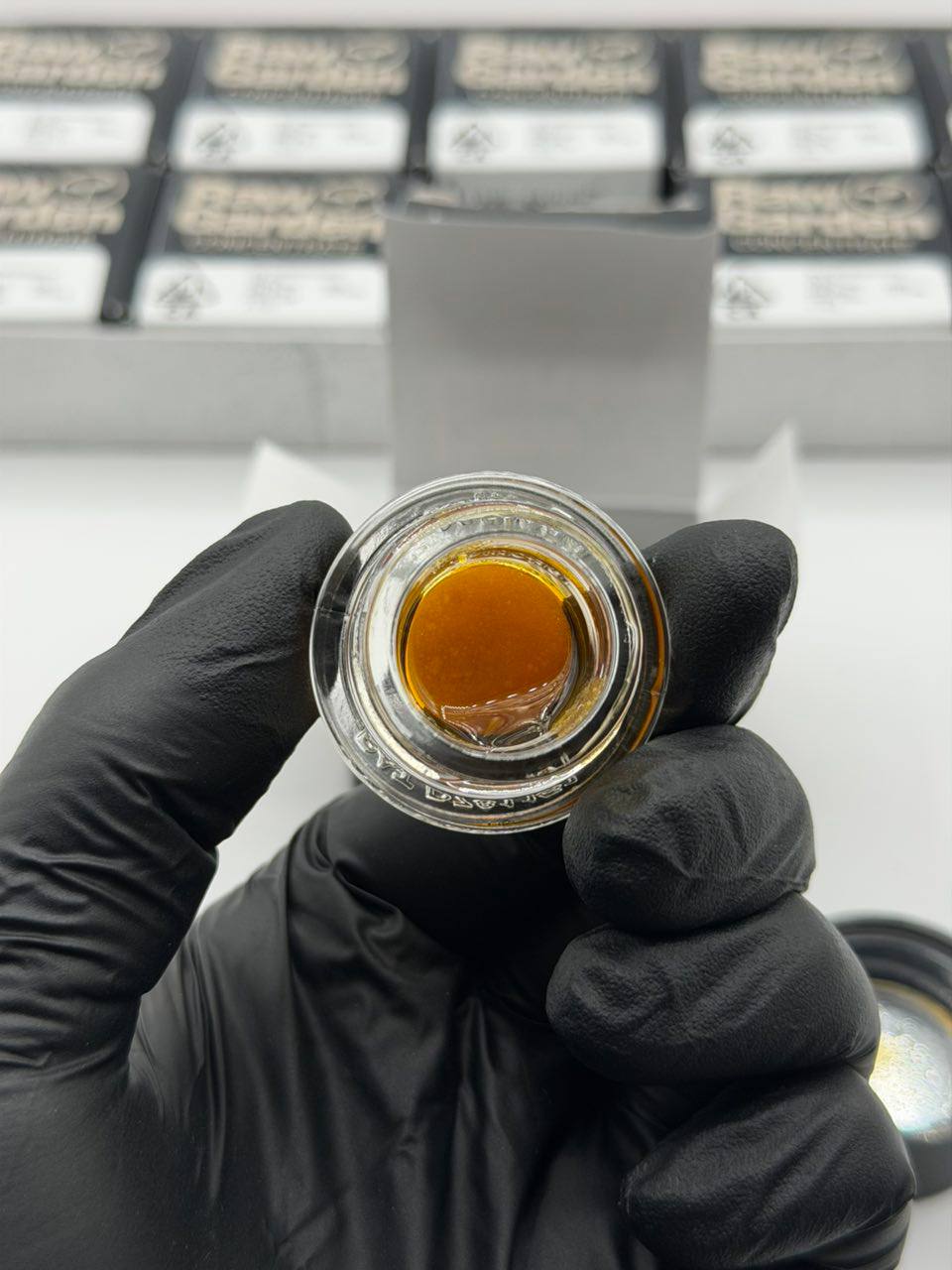
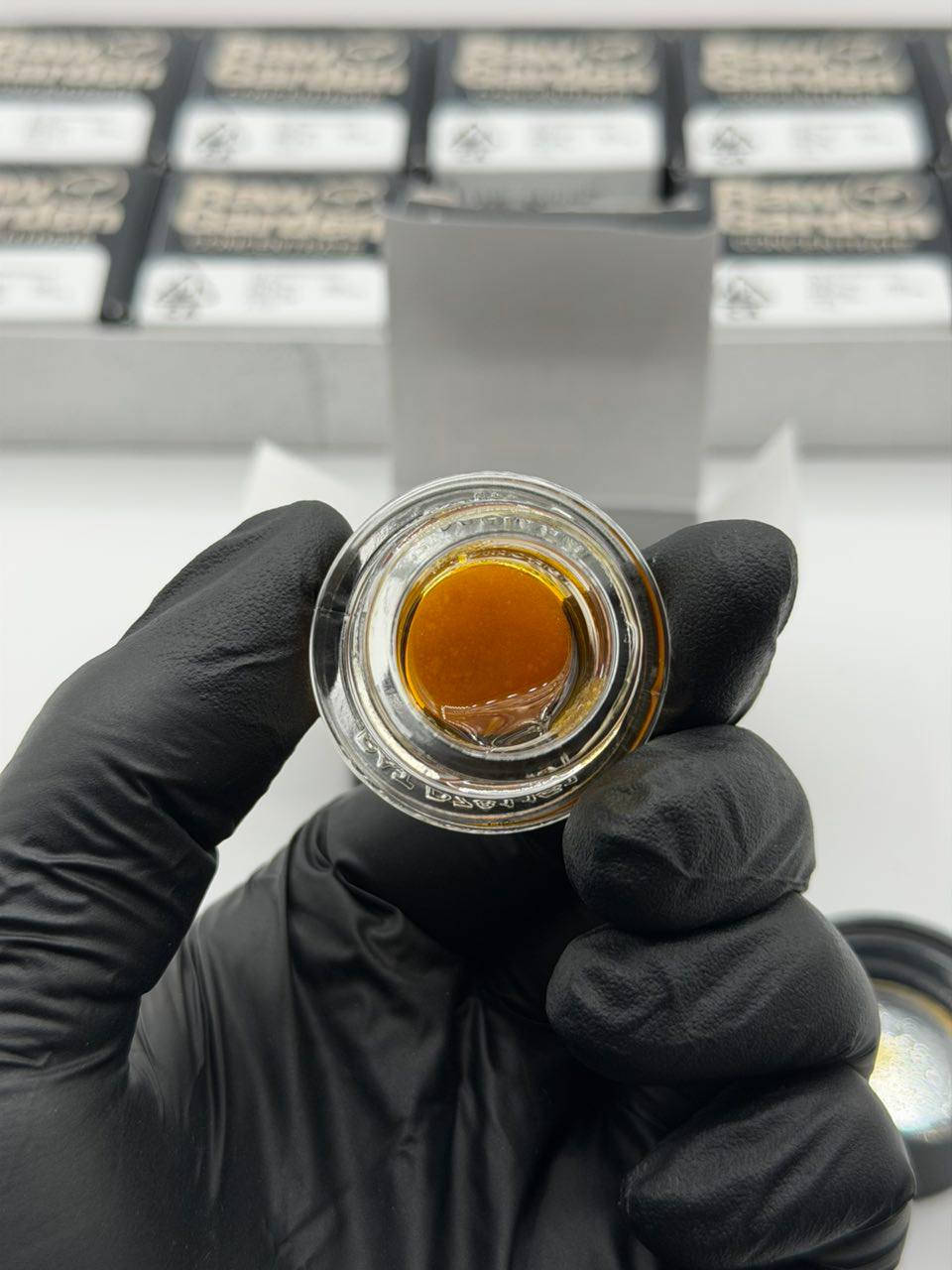
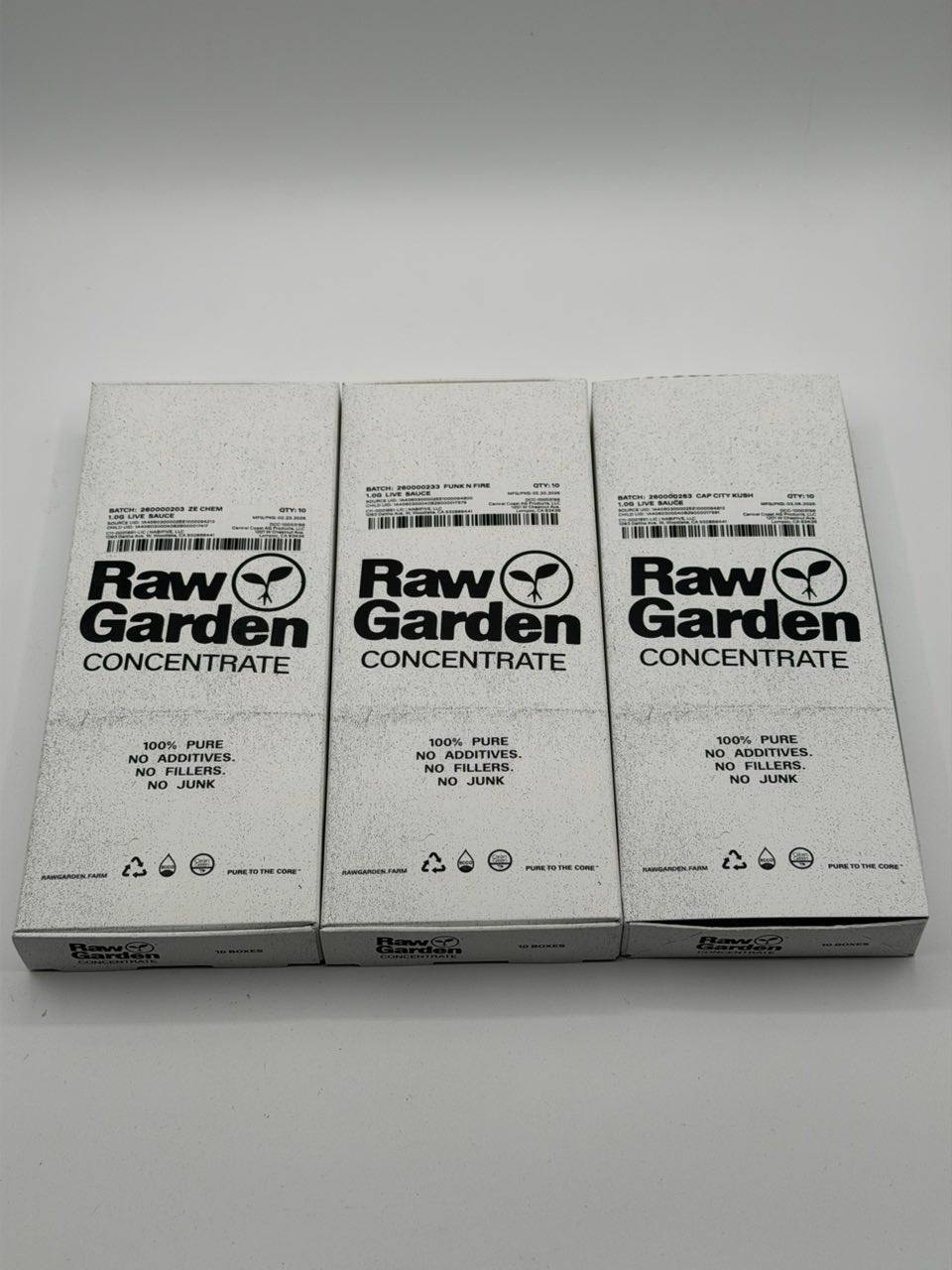
Raw garden Live Sauce Concentrates: A Complete Guide to Composition, Extraction, Flavor Profile, and Industry Differences
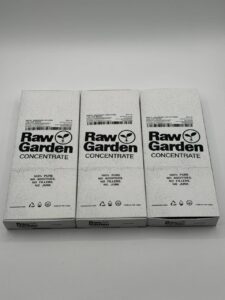
Raw garden Live sauce stands as one of the most distinctive cannabis concentrates in the modern extraction world. It is widely recognized for its layered texture, rich terpene content, and high cannabinoid concentration. Unlike simpler extracts, live sauce combines both crystalline and liquid components, which creates a visually striking and chemically complex product.
Understanding What Live Sauce Is
Live sauce refers to a cannabis extract that separates into two primary phases: THCA crystals and terpene-rich liquid. The crystalline portion contains concentrated cannabinoids, while the liquid portion holds aromatic compounds. Together, these elements form a dual-consistency concentrate that is valued for both potency and flavor complexity.
Moreover, live sauce is typically derived from fresh-frozen plant material. This process helps preserve volatile terpenes that are often lost during traditional drying methods. As a result, the final extract tends to retain a stronger representation of the plant’s original aromatic profile.
How Live Sauce Is Made
The production of live sauce begins immediately after harvest. Fresh cannabis plants are frozen instead of being dried. This step is critical because it helps lock in the chemical structure of the plant at peak freshness.
After freezing, extraction begins using hydrocarbon-based solvents such as butane or propane in controlled environments. These solvents help separate cannabinoids and terpenes from plant material efficiently.
During refinement, the extract undergoes purging and stabilization. Over time, THCA begins to crystallize naturally. Meanwhile, terpenes remain suspended in a viscous solution. This separation is not forced but rather encouraged through controlled conditions.
Consequently, the final product develops its signature layered appearance. The crystals settle while the terpene-rich sauce surrounds them, creating a distinct visual contrast.
Chemical Composition and Structure
Live sauce contains a high concentration of THCA, which is the non-psychoactive precursor to THC. When heated, THCA converts into THC, which produces the psychoactive effects associated with cannabis consumption.
Additionally, terpenes play a major role in the overall experience. These aromatic compounds contribute flavor notes such as citrus, pine, diesel, berry, or earth. Because live sauce preserves more terpenes than many other extracts, it often delivers a more complex sensory profile.
Furthermore, minor cannabinoids may also be present depending on the source strain and extraction technique. These compounds can subtly influence the overall character of the concentrate.
Flavor and Aroma Characteristics
Live sauce is often described as highly aromatic. Fruity strains may produce sweet and tropical notes, while fuel-heavy strains may produce pungent, gassy undertones. This variation depends entirely on the genetics of the original plant material.
Because terpenes remain largely intact, the flavor tends to feel more layered and dynamic. Each inhalation may reveal different aromatic notes as the concentrate vaporizes.
Live Sauce vs Other Cannabis Concentrates
Live sauce is frequently compared with live resin and distillate. However, each differs significantly in composition and experience.
Live resin is typically more uniform in texture and does not always exhibit full crystal separation. Distillate, on the other hand, is highly refined and often stripped of most terpenes, resulting in a more neutral profile.
In contrast, live sauce preserves both structure and terpene diversity. Therefore, it is often considered more flavor-forward than distillate and more visually distinct than standard live resin.
Storage and Stability
Proper storage plays an important role in maintaining quality. Exposure to heat or light can degrade terpenes over time, which reduces aroma intensity. Therefore, cool and dark storage conditions are generally preferred.
Additionally, the consistency of live sauce may change over time as crystallization continues. This is a natural process and does not necessarily indicate reduced quality.
Consumer Perception and Usage Context
Live sauce is often used in specialized consumption methods that allow controlled vaporization. Because of its potency and terpene richness, it is typically approached with smaller quantities compared to less concentrated forms.
Moreover, users often prioritize flavor experience when selecting this type of extract. The sensory profile is frequently considered a defining feature.
Strain Influence on Live Sauce Profiles
Different cannabis strains produce significantly different live sauce outcomes. For example, fruit-forward strains may emphasize sweet and citrus-like terpenes. Meanwhile, earthy or diesel-heavy strains may create stronger pungent notes.
Because of this variation, strain selection plays a major role in determining the final aromatic and visual profile of the concentrate.
Industry Significance
Live sauce has become a notable category within cannabis extraction due to its dual-phase structure and terpene preservation. It represents an advancement in techniques aimed at capturing the plant’s full chemical complexity.
As extraction technology continues to evolve, refinements in temperature control, solvent management, and post-processing methods continue to influence product consistency and quality.
Extraction Science and Why Fresh-Frozen Material Matters
The use of fresh-frozen cannabis plays a central role in shaping live sauce quality. When plant material is frozen immediately after harvest, enzymatic degradation slows down significantly. As a result, volatile terpenes remain more intact compared to dried and cured material.
Because of this preservation method, extractors often achieve a more accurate representation of the plant’s natural aromatic profile. However, the process requires careful temperature control throughout handling and extraction.
During hydrocarbon extraction, solvents interact with frozen trichomes and dissolve cannabinoids and terpenes. After separation, the solution enters a refinement phase where unwanted compounds are removed. Then, controlled purging helps eliminate residual solvents while preserving delicate terpenes.
Over time, crystallization occurs naturally. THCA molecules begin to form structured clusters, while terpene-rich liquid remains separated. This process does not happen instantly. Instead, it develops gradually under stable environmental conditions.
Texture, Consistency, and Visual Identity
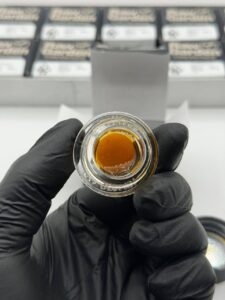
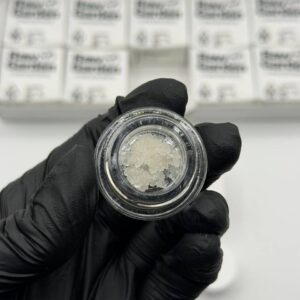
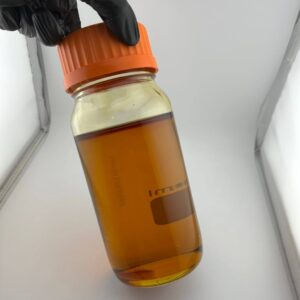
Live sauce is widely recognized for its dual-phase appearance. One part consists of crystalline structures that resemble sugar-like formations. The other part consists of a golden or amber-colored liquid.
Because these two phases coexist, the concentrate does not appear uniform. Instead, it shows a dynamic separation that can shift depending on temperature and time.
At cooler temperatures, crystallization becomes more pronounced. However, at slightly warmer conditions, the terpene layer may become more fluid. This variability contributes to the product’s visual uniqueness.
In addition, agitation during handling can temporarily redistribute the components. Nevertheless, separation typically returns as the material stabilizes again.
Sensory Experience and Flavor Development
Flavor expression in live sauce depends heavily on terpene retention. Terpenes such as limonene, myrcene, pinene, and caryophyllene often define the aroma profile.
Citrus-forward strains tend to produce bright and zesty notes. Meanwhile, earth-heavy strains deliver deeper herbal or spicy undertones. Fuel-dominant strains often create sharper, pungent aromatic layers.
Because multiple terpenes interact simultaneously, the overall flavor experience can feel multi-dimensional. One layer may dominate initially, but secondary notes often emerge during continued exposure.
This layered sensory structure is one reason live sauce is often discussed in comparison with more refined but less aromatic concentrates.
Comparison With Other Extraction Types
Live sauce differs from several other concentrate categories in both structure and processing goals.
First, distillate is typically refined to isolate specific cannabinoids. During this process, most terpenes are removed. As a result, distillate tends to deliver a more neutral aroma profile.
Second, standard live resin retains more terpene content than distillate but does not always separate into visible crystalline and liquid phases. It usually maintains a more uniform consistency.
In contrast, live sauce preserves both chemical diversity and structural separation. Therefore, it is often categorized as a more “complete-spectrum” style extract within the concentrate landscape.
However, each concentrate type serves different preferences depending on whether potency, flavor, or refinement is prioritized.
Stability, Degradation, and Environmental Factors
Environmental conditions significantly influence live sauce stability. Heat exposure can accelerate terpene evaporation, which reduces aromatic intensity over time.
Light exposure can also contribute to gradual degradation of sensitive compounds. Therefore, controlled storage environments are typically preferred.
Additionally, oxygen exposure may slowly alter terpene composition. Because of this, sealed storage is generally recommended in professional handling contexts.
Despite these factors, crystallization remains a natural and ongoing process. Even under ideal conditions, internal separation continues evolving over time.
Chemical Behavior and Cannabinoid Conversion
THCA, the primary crystalline component in live sauce, remains non-psychoactive until it is exposed to heat. When heated, THCA undergoes decarboxylation, converting into THC.
This transformation is a key part of how the compound becomes active in vaporization or other heat-based consumption methods.
Meanwhile, terpenes vaporize at lower temperatures than cannabinoids. As a result, they often influence aroma perception early in the heating process.
Because each compound has a different volatility point, the experience can shift depending on temperature conditions.
Strain Genetics and Their Influence on Final Output
Strain selection plays a decisive role in determining live sauce characteristics. Genetics influence terpene composition, cannabinoid ratios, and overall resin production.
Indica-leaning strains may produce heavier, more earthy profiles. Sativa-leaning strains often result in brighter, fruitier aromatic expressions.
Hybrid strains can introduce complex combinations of both ends of the spectrum. Therefore, no two batches of live sauce are exactly identical when different genetics are used.
Ongoing Innovation in Extraction Techniques
Extraction methods continue to evolve as technology advances. Improved temperature control systems, closed-loop extraction equipment, and refined filtration techniques have all contributed to higher consistency.
Additionally, post-processing methods are becoming more precise. These refinements allow better separation control between crystalline and terpene phases.
As a result, modern live sauce production often achieves improved clarity, stability, and aromatic retention compared to earlier techniques.
Why Live Sauce Became Popular in the Market Context
Live sauce gained attention because it combines two desirable traits: high potency and strong flavor expression. Many consumers prefer extracts that maintain a closer connection to the plant’s natural profile.
Moreover, the visual separation of crystals and terpene-rich liquid creates a distinctive identity that sets it apart from more uniform concentrates.
Because of this combination, live sauce has become a widely recognized category in concentrate discussions and comparisons.
Conclusion of This Section
Live sauce represents a complex and evolving category within cannabis extraction science. Its structure reflects both chemical precision and preservation-focused techniques.
As research and extraction technology continue to develop, further refinements may improve consistency and flavor retention even more. However, its defining dual-phase nature remains the core feature that distinguishes it from other concentrate types.
Handling, Dosing Context, and Practical Considerations
Live sauce requires careful handling due to its dual-phase consistency. Because the product contains both crystalline and liquid components, its texture can shift during temperature changes or movement.
When stored at lower temperatures, the crystalline portion may become more compact. Meanwhile, the terpene-rich layer may appear thicker and less fluid. At slightly warmer conditions, the sauce phase can become more mobile, creating a more blended appearance.
Because of this variability, consistency is not always uniform across different batches. However, this variation is expected and reflects the natural separation process rather than instability.
From a general consumption perspective, concentrates with high potency typically encourage smaller amounts per use compared to less refined extracts. This is largely due to the high concentration of cannabinoids in crystalline structures.
However, individual response varies depending on tolerance, formulation, and delivery method. Therefore, understanding potency levels becomes an important factor in evaluating any concentrate category, including live sauce.
Quality Indicators and What Defines a High-Grade Batch
Several characteristics are commonly used to assess the quality of live sauce in analytical and observational contexts.
First, terpene clarity is often considered a key indicator. A strong, well-preserved aroma profile generally suggests effective terpene retention during processing.
Second, crystal formation can provide insight into cannabinoid purity. Well-defined THCA crystals may indicate controlled crystallization conditions during refinement.
Third, color consistency of the terpene layer can also be observed. Lighter golden or amber tones are often associated with careful processing, while darker hues may reflect variations in material input or processing conditions.
Additionally, separation stability over time can be informative. A balanced structure that maintains distinction between phases is often associated with stable production conditions.
Nevertheless, variations between batches remain common because raw plant material naturally differs in composition, even within the same strain.
Common Misconceptions About Live Sauce
One common misconception is that separation indicates poor quality. In reality, the dual-phase structure is an intentional and defining feature of live sauce. The separation of THCA crystals and terpene-rich liquid is expected and desired in this category.
Another misconception is that all live sauce products are identical. In practice, differences in genetics, extraction technique, and post-processing methods lead to significant variation in aroma, texture, and appearance.
Additionally, some assume that stronger aroma always correlates directly with potency. While terpenes contribute significantly to scent and flavor, cannabinoid concentration determines potency, and both components operate independently.
Because of these distinctions, live sauce should be evaluated using multiple factors rather than a single characteristic.
Storage Practices and Long-Term Stability
Proper storage plays a significant role in maintaining the structural integrity of live sauce over time. Exposure to heat can accelerate terpene evaporation, which reduces aromatic complexity.
Likewise, prolonged exposure to light may contribute to gradual chemical changes in sensitive compounds. Therefore, controlled storage environments are typically used to preserve quality.
In addition, oxygen exposure can influence terpene composition over extended periods. For this reason, airtight containment is often preferred to slow down environmental interaction.
Even under ideal conditions, live sauce continues to evolve slowly. Crystallization may progress further, and terpene distribution may shift slightly. This natural progression is part of the material’s dynamic chemical nature.
Scientific Perspective on Terpene Volatility
Terpenes are volatile aromatic compounds that evaporate at relatively low temperatures compared to cannabinoids. This volatility is a key reason why fresh-frozen extraction methods are used.
Because different terpenes evaporate at different rates, the overall aroma profile can change depending on temperature and exposure conditions. Some terpenes are highly delicate and degrade quickly, while others remain more stable under similar conditions.
This variation contributes to the layered sensory experience associated with live sauce. As different compounds volatilize at different stages, the perceived aroma can shift gradually.
From a chemical standpoint, preserving a broad terpene spectrum requires minimizing thermal stress throughout processing and storage.
Role of Fresh-Frozen Inputs in Aroma Preservation
Fresh-frozen plant material is a defining factor in live sauce production. By freezing immediately after harvest, enzymatic breakdown is slowed significantly.
This step helps preserve terpene integrity, which is otherwise reduced during drying and curing processes. As a result, the extract retains a closer representation of the plant’s original chemical profile.
However, this method also requires specialized handling. Frozen biomass must be processed under controlled conditions to avoid degradation or contamination.
Because of these requirements, fresh-frozen extraction is considered more resource-intensive compared to traditional methods.
Broader Industry Context and Evolution
The development of live sauce reflects broader trends in concentrate innovation. Over time, extraction techniques have shifted toward preserving full-spectrum chemical profiles rather than isolating single compounds.
Earlier extraction methods often prioritized cannabinoid yield or purity. In contrast, newer approaches emphasize flavor retention, terpene diversity, and structural complexity.
This shift has contributed to the emergence of multiple concentrate categories, each emphasizing different aspects of the plant’s chemistry.
Live sauce sits within this evolution as a product that attempts to preserve both potency and aromatic depth simultaneously.
Final Summary of Key Characteristics
Live sauce is defined by several interconnected features:
It contains a dual-phase structure consisting of THCA crystals and terpene-rich liquid. It is typically produced using fresh-frozen plant material to preserve volatile compounds. It exhibits high aromatic complexity due to retained terpene diversity. It evolves over time through natural crystallization and separation processes.
Because of these combined factors, live sauce represents a chemically rich and structurally distinct category within modern extraction science.
Closing Section
As extraction technologies continue to advance, further refinements in process control and terpene preservation are likely to shape future variations of live sauce. However, its core defining features—dual-phase structure, terpene richness, and fresh-frozen origin—remain central to its identity within concentrate taxonomy.

Reviews
There are no reviews yet.