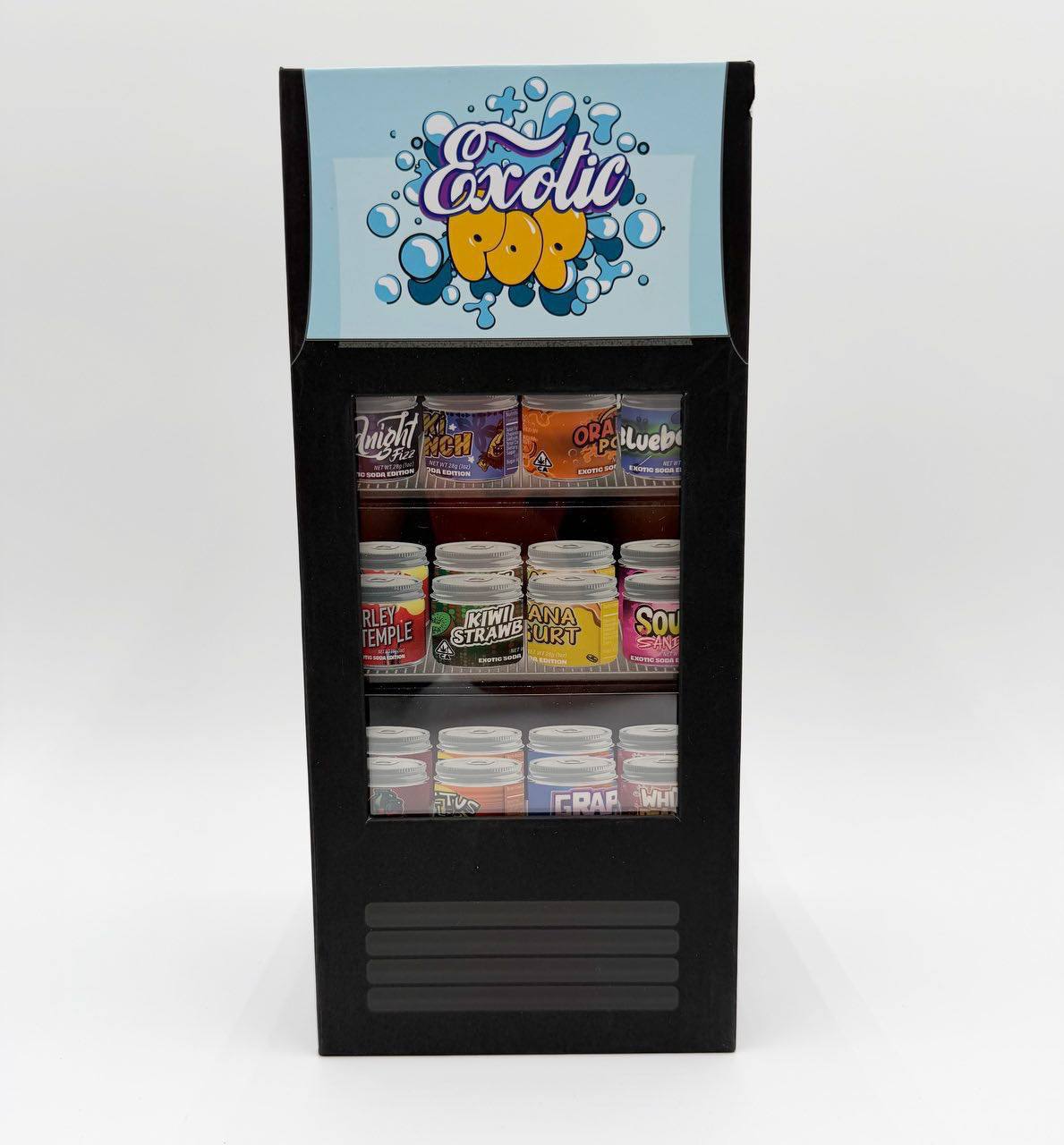
Exotic Pop Waxx Live Rosin: An Informational Overview
Exotic pop waxx Live rosin represents a solventless cannabis concentrate category that has gained attention within the legal cannabis industry. Unlike concentrates produced with chemical solvents, live rosin is generally created through a combination of ice-water extraction and heat-and-pressure techniques. As a result, many consumers and industry observers view it as a distinctive segment of the concentrate market.
The term “live” commonly refers to the use of freshly harvested plant material that is frozen shortly after harvest. This approach aims to preserve naturally occurring compounds present in the source material. Meanwhile, “rosin” describes the extraction method itself, which relies on mechanical processes rather than hydrocarbon solvents.
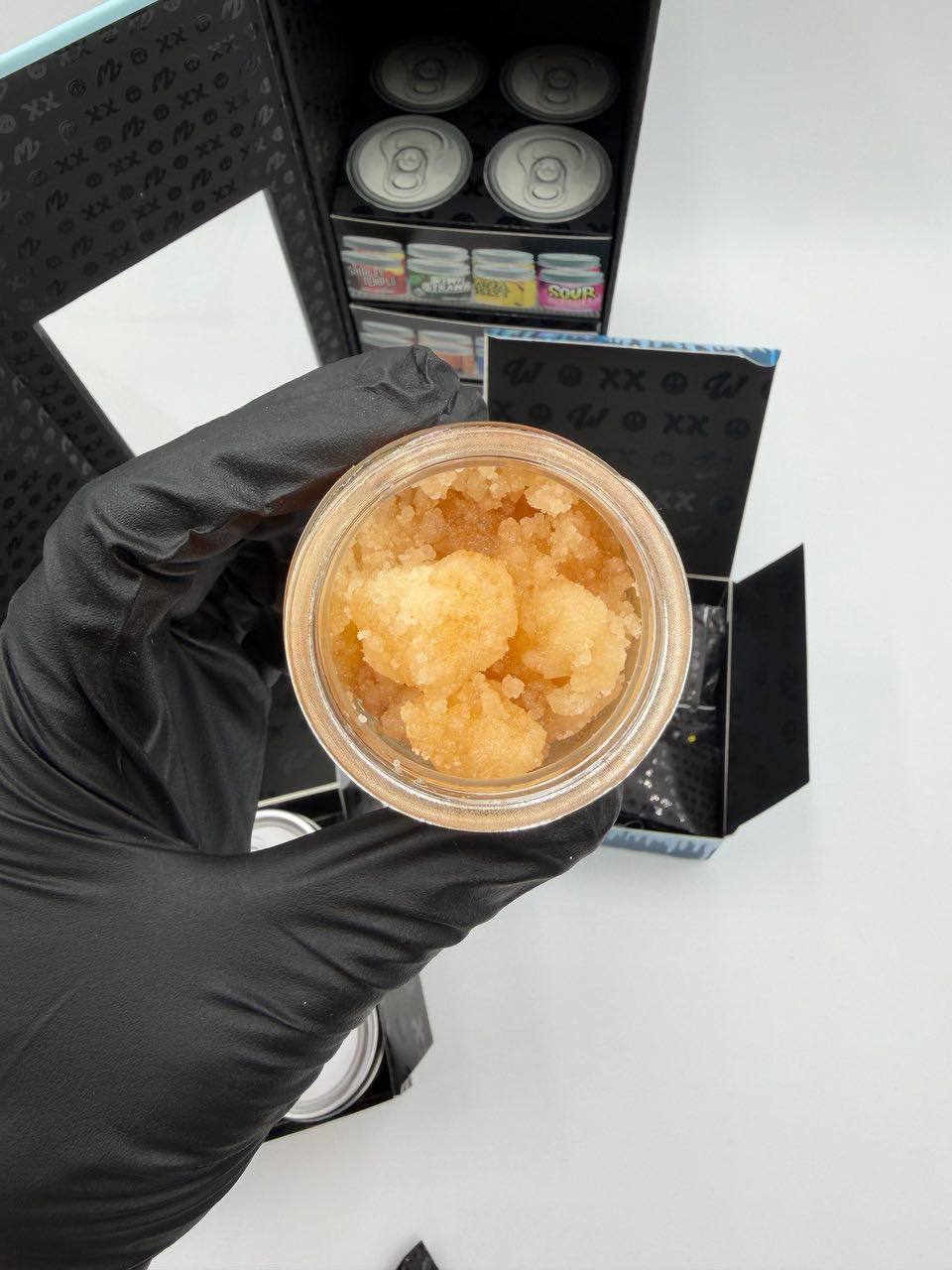
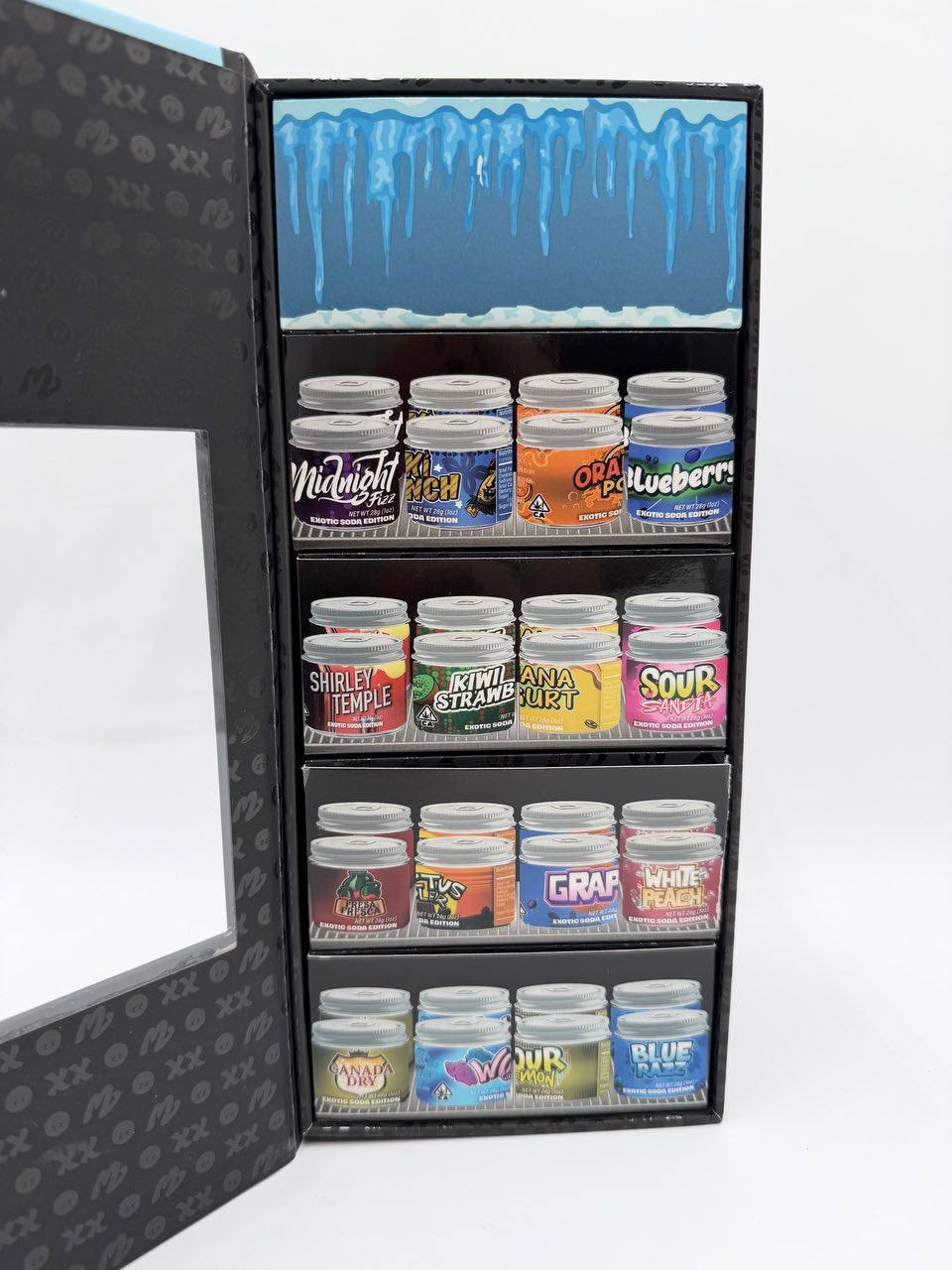
Products marketed under names such as “Exotic Pop Waxx Live Rosin” often emphasize unique genetics, aroma profiles, and extraction craftsmanship. However, specific characteristics vary according to the source material, cultivation practices, harvesting methods, and processing standards.

Production Process
Live rosin production typically begins with freshly harvested cannabis plants. The material is frozen soon after harvest, which helps maintain the integrity of compounds that might otherwise degrade during drying and curing. After freezing, processors create ice-water hash by separating resin glands from plant matter through agitation and filtration.
Following collection and drying, the hash is subjected to controlled heat and pressure. During this stage, resin is separated from the remaining plant material. The resulting concentrate is then collected, stored, and prepared according to quality-control standards.
Because no chemical solvents are used during extraction, live rosin is often categorized as a solventless concentrate. Nevertheless, production requires specialized equipment, careful environmental controls, and significant expertise.
Appearance and Texture
Live rosin products can display a range of textures. Some batches appear creamy and smooth, while others develop a more buttery consistency. Color variations may range from light gold to deeper amber tones depending on genetics, processing methods, and storage conditions.
Texture can change over time as natural compounds interact with one another. Therefore, storage practices play an important role in maintaining consistency and overall quality.
Aromatic Characteristics
Aroma profiles vary widely among live rosin products. Depending on the source genetics, a concentrate may present notes associated with fruit, candy, citrus, earth, pine, floral elements, or spice. These characteristics are commonly linked to terpene content.
Terpenes are aromatic compounds found throughout nature. They contribute to the scent of many plants, fruits, herbs, and flowers. Within cannabis, terpene composition can influence the overall sensory experience associated with a particular cultivar.
Quality Considerations
Industry professionals often evaluate live rosin according to several factors. These may include cleanliness, consistency, aroma retention, visual appearance, and overall processing quality. In addition, storage conditions can affect product stability over time.
High-quality production generally depends on careful cultivation, proper harvesting practices, effective cold-chain management, and precise extraction techniques. Consequently, each stage of production contributes to the final result.
Market Trends
The solventless concentrate category has expanded in legal cannabis markets over recent years. Consumers interested in extraction methods frequently seek information about production techniques, ingredient transparency, and product handling standards. As a result, live rosin has become a significant topic within cannabis industry discussions.
Manufacturers continue to experiment with genetics, cultivation methods, and post-processing techniques. Consequently, new product varieties appear regularly in regulated markets.
Storage Information
Proper storage remains an important consideration for concentrate preservation. Cool and stable environments may help maintain consistency and aromatic characteristics. Excessive heat, light exposure, and temperature fluctuations can affect texture and overall quality.
Storage recommendations differ among manufacturers, processors, and regulatory jurisdictions. Therefore, consumers should consult packaging instructions and applicable local regulations when available.

Industry Significance
Live rosin occupies a unique position within the broader cannabis concentrate landscape. Its solventless production process, emphasis on resin preservation, and reliance on specialized extraction techniques distinguish it from many other concentrate categories.
As legal cannabis markets continue to evolve, interest in concentrate production methods remains an important area of discussion among cultivators, processors, researchers, and consumers. Consequently, live rosin continues to represent a notable segment of the modern cannabis industry.
The Role of Genetics in Live Rosin Production
Genetics influence nearly every aspect of a cannabis concentrate. Cultivators often select specific cultivars based on resin production, terpene expression, plant structure, and harvest characteristics. These factors contribute to the quality and consistency of the material used for extraction.
Some cultivars produce dense trichome coverage, while others generate unique aromatic profiles. Consequently, processors frequently evaluate genetic performance before deciding which varieties are suitable for solventless extraction. Resin yield, terpene retention, and overall extraction efficiency remain important considerations throughout this evaluation process.
In addition, environmental conditions interact with genetics to shape the final characteristics of harvested material. Temperature, humidity, nutrient availability, and cultivation methods can all influence plant development. Therefore, identical genetics may produce different outcomes when grown under varying conditions.
Understanding Trichomes
Trichomes are microscopic structures that develop on the surface of cannabis flowers and surrounding plant tissues. These structures contain many of the compounds associated with cannabis, including cannabinoids and terpenes.
From an extraction perspective, trichomes serve as the primary target during hash and rosin production. Because of their composition, they can be separated from plant material through specialized mechanical processes. This separation forms the foundation of many solventless extraction techniques.
Trichome maturity also plays a role in determining harvest timing. Cultivators often monitor development closely to identify optimal harvesting windows. As a result, careful observation can contribute to consistent extraction outcomes.
Harvest and Post-Harvest Considerations
Harvest practices significantly affect the quality of concentrate production. Freshly harvested material requires careful handling to minimize degradation and preserve naturally occurring compounds. For this reason, producers frequently establish detailed procedures for collection, transportation, and storage.
Rapid freezing is commonly used in live rosin production. This step helps maintain the condition of the harvested material before extraction begins. Furthermore, consistent temperature management throughout storage and processing can support quality preservation.
Post-harvest workflows often involve strict cleanliness standards. Equipment sanitation, environmental monitoring, and controlled handling procedures contribute to product consistency. Consequently, professional facilities invest considerable resources in operational protocols.

Terpene Diversity and Aromatic Complexity
Terpenes exist throughout the natural world. They contribute to the scents of citrus fruits, pine forests, herbs, flowers, and countless other plants. Within cannabis, terpene profiles can vary substantially between cultivars.
Researchers continue to study terpene diversity and interactions. Although public interest often focuses on aroma, terpenes also serve ecological functions within plants. These compounds may assist with environmental adaptation and plant defense mechanisms.
Common terpene categories include citrus-forward compounds, earthy compounds, floral compounds, and spice-oriented compounds. However, real-world profiles rarely consist of a single dominant characteristic. Instead, they often involve complex combinations that create layered sensory experiences.
Solventless Extraction Compared With Other Methods
The cannabis industry uses several extraction approaches. Solventless techniques rely primarily on mechanical separation methods. By contrast, some extraction systems utilize chemical solvents to isolate desired compounds.
Supporters of solventless production frequently emphasize the simplicity of the extraction pathway. Since the process focuses on physical separation rather than chemical dissolution, it occupies a distinct category within concentrate manufacturing.
Each extraction method presents unique advantages, challenges, and technical requirements. Consequently, producers select approaches based on operational goals, regulatory requirements, equipment availability, and product objectives.
Quality Control and Laboratory Testing
Quality control plays an essential role in regulated cannabis industries. Testing procedures may evaluate cannabinoid content, terpene composition, microbial safety, residual contaminants, and other factors established by local regulations.
Laboratories utilize specialized analytical instruments to generate detailed reports. These reports provide information about product composition and compliance status. As a result, testing has become a standard component of many regulated markets.
Documentation systems also support quality assurance efforts. Batch tracking, production records, and inventory controls help facilities maintain accountability throughout manufacturing operations.
Consumer Education and Product Transparency
Educational resources have become increasingly important within legal cannabis markets. Consumers often seek information regarding cultivation practices, extraction methods, laboratory testing, and ingredient transparency.
Clear labeling supports informed decision-making. Therefore, many jurisdictions require specific disclosures regarding product contents, potency measurements, and safety information. These requirements aim to provide consistent information while supporting regulatory compliance.
Transparency initiatives have also expanded beyond basic labeling. Some companies publish cultivation details, processing methodologies, and testing data to increase consumer awareness and industry accountability.
The Future of Solventless Concentrates
Innovation continues to influence the development of solventless concentrates. Equipment manufacturers regularly introduce new technologies designed to improve efficiency, consistency, and process control. Meanwhile, cultivators explore genetics that may perform well in extraction-focused environments.
Research efforts continue to examine cultivation strategies, preservation techniques, and extraction variables. As scientific understanding expands, production methods may become increasingly refined.
The broader cannabis industry also continues to evolve through regulatory changes, technological advancements, and shifting consumer interests. Consequently, solventless concentrates remain an active area of development and discussion among industry participants worldwide.
Environmental Factors That Influence Cultivation Outcomes
Environmental conditions affect plant development throughout the cultivation cycle. Light intensity, temperature stability, humidity management, air circulation, and nutrient availability contribute to overall plant performance. Because each factor interacts with the others, cultivators often monitor multiple variables simultaneously.
Temperature management remains particularly important. Excessive heat can place stress on plants, while temperatures that are too low may slow development. Therefore, controlled environments often provide greater consistency than uncontrolled settings.
Humidity also influences cultivation outcomes. During vegetative growth, plants generally tolerate different humidity levels than they do during flowering. Consequently, growers frequently adjust environmental settings as plants mature.
Airflow supports plant health as well. Proper circulation can help maintain environmental uniformity throughout a cultivation space. Furthermore, consistent airflow may reduce moisture accumulation in dense plant canopies.
The Importance of Preservation Techniques
Preservation begins immediately after harvest. Since plant material contains delicate compounds, handling practices can influence long-term quality. For this reason, producers often implement detailed preservation protocols.
Cold storage systems help maintain material stability during transportation and processing. Additionally, specialized packaging may reduce exposure to oxygen, moisture, and light. Together, these measures contribute to product preservation throughout the supply chain.
Long-term storage strategies vary among facilities. Some operators prioritize rapid processing, while others utilize extended cold-storage programs. Regardless of the specific approach, preservation remains a central consideration within concentrate production.
Equipment Used in Solventless Processing
Modern solventless production relies on a variety of specialized tools and equipment. Filtration systems, freeze-drying equipment, pressing systems, temperature-control devices, and storage solutions all contribute to the production process.
Freeze dryers have become particularly important in many operations. These systems remove moisture from extracted material while preserving structural characteristics. As a result, they often play a key role in preparation workflows.
Pressing equipment applies carefully controlled heat and pressure. Operators adjust settings according to material characteristics and production goals. Consequently, technical expertise remains valuable throughout the extraction process.
Equipment innovation continues to shape the industry. Manufacturers regularly develop systems designed to improve consistency, efficiency, and operational precision.
Regulatory Oversight and Compliance
Cannabis regulations differ significantly between jurisdictions. Some regions permit medical use, while others authorize broader adult-use programs. Meanwhile, many areas continue to prohibit cannabis activities entirely.
Licensed operators must generally comply with regulatory requirements related to cultivation, processing, packaging, testing, transportation, and recordkeeping. These standards are intended to support public safety and product accountability.
Compliance programs often include inspections, documentation procedures, and quality-control systems. Therefore, successful operations typically dedicate substantial resources to regulatory management.
Consumers should remain aware that laws vary according to location. Consequently, activities that are legal in one jurisdiction may not be legal in another.
Terminology Commonly Found in the Concentrate Sector
The concentrate sector includes a wide range of technical terminology. Understanding these terms can help individuals interpret educational resources and industry discussions more effectively.
Cannabinoids: Naturally occurring compounds found within cannabis plants.
Terpenes: Aromatic compounds present in cannabis and many other plant species.
Trichomes: Microscopic resin-producing structures located on plant surfaces.
Hash: A concentrated product derived primarily from separated trichomes.
Rosin: A concentrate created through the application of heat and pressure.
Live Material: Freshly harvested material preserved shortly after harvest rather than traditionally dried and cured.
These terms appear frequently in cultivation, extraction, and regulatory discussions. Therefore, familiarity with them can improve comprehension of industry-related content.
Industry Research and Scientific Interest
Scientific research concerning cannabis has expanded considerably over recent decades. Researchers continue to investigate plant biology, cultivation science, analytical testing, genetics, and agricultural best practices.
Advances in laboratory technology have improved analytical precision. Consequently, researchers can now examine chemical composition in greater detail than was previously possible.
Academic institutions, private laboratories, and industry organizations contribute to ongoing research efforts. Their findings support improvements in cultivation techniques, processing methods, and quality-control systems.
Although research continues to evolve, scientific inquiry remains an important driver of industry development.
Sustainability Considerations
Sustainability has become an increasingly important topic across agricultural industries, including cannabis cultivation. Energy consumption, water use, packaging materials, and waste management practices all influence environmental impact.
Some cultivation facilities invest in energy-efficient lighting systems and environmental controls. Others explore water conservation measures designed to reduce resource consumption. Meanwhile, packaging manufacturers continue to evaluate alternative materials that may reduce environmental burdens.
Sustainability initiatives vary widely across regions and organizations. Nevertheless, environmental considerations increasingly influence operational decision-making throughout the industry.
Market Evolution and Consumer Trends
Consumer preferences change over time as industries mature. Within regulated cannabis markets, interest in cultivation methods, extraction techniques, and laboratory transparency has increased in many regions.
Educational content now plays a larger role in consumer engagement. Individuals often seek detailed information regarding production methods and product composition before making decisions. As a result, transparency and information accessibility have become significant industry themes.
Technological innovation also contributes to market evolution. New cultivation systems, extraction equipment, and analytical tools continue to shape operational practices. Consequently, the industry remains dynamic and highly adaptive.
Conclusion
Live rosin represents a distinctive category within the broader concentrate landscape. Its production relies on specialized cultivation practices, careful preservation methods, mechanical extraction techniques, and extensive quality-control measures. Moreover, ongoing advancements in science and technology continue to refine production standards across the industry.
As research expands and regulations evolve, understanding the fundamentals of cultivation, extraction, testing, and preservation becomes increasingly valuable. Therefore, educational resources remain essential for anyone seeking a deeper understanding of modern cannabis production systems and concentrate manufacturing processes.
Extraction Equipment and Processing Technology
Modern solventless extraction relies on specialized equipment designed to preserve material quality while improving consistency. Processing facilities often use washing vessels, filtration systems, freeze dryers, and precision presses. Each piece of equipment contributes to a specific stage of production.
Filtration systems separate resin glands according to size. Different screen specifications allow processors to collect distinct fractions during extraction. As a result, operators can evaluate material characteristics throughout the process.
Freeze-drying technology has become an important advancement in solventless extraction. Traditional drying methods can require extended periods and may introduce variables that affect quality. In contrast, freeze dryers remove moisture under carefully controlled conditions. Therefore, many professional facilities incorporate this technology into their workflows.
Pressing equipment also continues to evolve. Modern rosin presses provide precise control over temperature, pressure, and processing duration. Consequently, operators can develop standardized procedures that support repeatable outcomes.
Environmental Controls in Processing Facilities
Environmental management influences both efficiency and product consistency. Temperature fluctuations, excessive humidity, and contamination risks can affect production operations. For this reason, processing facilities often implement detailed environmental monitoring programs.
Climate-controlled rooms support stable working conditions. Furthermore, filtration systems help maintain air quality within sensitive processing areas. These measures contribute to operational consistency and regulatory compliance.
Cleanliness protocols remain equally important. Staff members frequently follow sanitation procedures that address equipment, surfaces, storage containers, and production environments. As a result, facilities can reduce contamination risks while maintaining professional standards.
Regulatory Considerations
Cannabis regulations vary significantly among jurisdictions. Some regions permit medical use, while others allow broader adult-use programs. In addition, many jurisdictions continue to prohibit cannabis entirely.
Regulatory frameworks often address cultivation, manufacturing, testing, packaging, transportation, and retail operations. Therefore, businesses operating within legal markets must comply with numerous requirements.
Testing standards represent one of the most visible regulatory components. Many jurisdictions require laboratory verification before products can enter commercial distribution channels. These standards may address potency measurements, contaminant screening, and labeling accuracy.
Because regulations continue to evolve, industry participants must remain informed about changing legal requirements. Consequently, compliance management has become an essential aspect of cannabis business operations.
Packaging and Preservation
Packaging serves multiple functions within the concentrate industry. Beyond simple containment, packaging helps protect products from environmental exposure. Light, heat, oxygen, and moisture can all influence product stability over time.
Manufacturers often select packaging materials based on preservation goals and regulatory requirements. Glass containers remain common because they offer durability and chemical stability. Meanwhile, specialized sealing systems can help reduce exposure to external elements.
Child-resistant packaging requirements also exist in many regulated markets. These standards aim to improve safety while maintaining product integrity. As a result, packaging design frequently balances preservation, compliance, and usability considerations.
Research and Scientific Development
Scientific research related to cannabis has expanded considerably in recent years. Universities, private laboratories, and industry organizations continue to investigate plant biology, cultivation methods, extraction technologies, and chemical composition.
Researchers examine how environmental variables influence plant development. They also study extraction efficiency, analytical testing methods, and preservation strategies. Consequently, scientific findings continue to shape industry best practices.
Analytical chemistry has become particularly important within the cannabis sector. Advanced instruments enable detailed evaluation of cannabinoids, terpenes, and other compounds. Therefore, researchers can generate increasingly sophisticated data regarding plant composition and product characteristics.
Supply Chain Considerations
The production of live rosin involves multiple stages that extend beyond extraction alone. Cultivation, harvesting, transportation, storage, processing, testing, packaging, and distribution all contribute to the overall supply chain.
Cold-chain logistics frequently play a significant role in preserving fresh-frozen material. Maintaining stable temperatures throughout transportation and storage can support quality objectives. As a result, logistics planning often receives substantial attention within extraction-focused operations.
Inventory management also affects operational efficiency. Accurate tracking systems help facilities monitor material movement throughout the production cycle. Furthermore, documentation requirements often support both regulatory compliance and quality assurance efforts.
Industry Terminology
The concentrate sector uses a wide range of technical terms. Understanding these terms can improve communication among consumers, researchers, cultivators, and processors.
Fresh-frozen material refers to plant material preserved through freezing shortly after harvest. Solventless extraction describes methods that rely on physical separation rather than chemical solvents. Bubble hash commonly refers to ice-water-extracted resin glands collected through filtration systems.
Additional terminology addresses texture, consistency, processing stages, and storage conditions. Therefore, educational resources often include glossaries to help readers navigate industry language.
Sustainability Discussions
Sustainability has become an increasingly important topic across agricultural and manufacturing sectors. The cannabis industry is no exception. Cultivators and processors continue to explore methods that may reduce resource consumption while supporting operational goals.
Water management, energy efficiency, waste reduction, and packaging optimization frequently appear in sustainability discussions. In addition, some organizations investigate alternative production methods that may improve environmental performance.
Although approaches vary among facilities, sustainability initiatives continue to influence industry planning and innovation. Consequently, environmental considerations remain an active area of development within the broader cannabis sector.
Conclusion
Live rosin represents a distinctive category within the cannabis concentrate landscape. Its production process combines agricultural expertise, extraction technology, quality-control systems, and regulatory compliance. Throughout the industry, cultivators, processors, researchers, and regulators contribute to the ongoing development of standards and best practices.
As scientific understanding expands, production techniques continue to evolve. New technologies, improved analytical methods, and refined cultivation strategies support greater consistency and transparency. Meanwhile, regulatory frameworks continue to shape how products are produced, tested, and distributed.
The ongoing evolution of the cannabis industry ensures that solventless concentrates remain an important area of research, discussion, and innovation. Through continued study and technological advancement, industry participants gain a deeper understanding of cultivation, extraction, preservation, and quality management practices.



Reviews
There are no reviews yet.