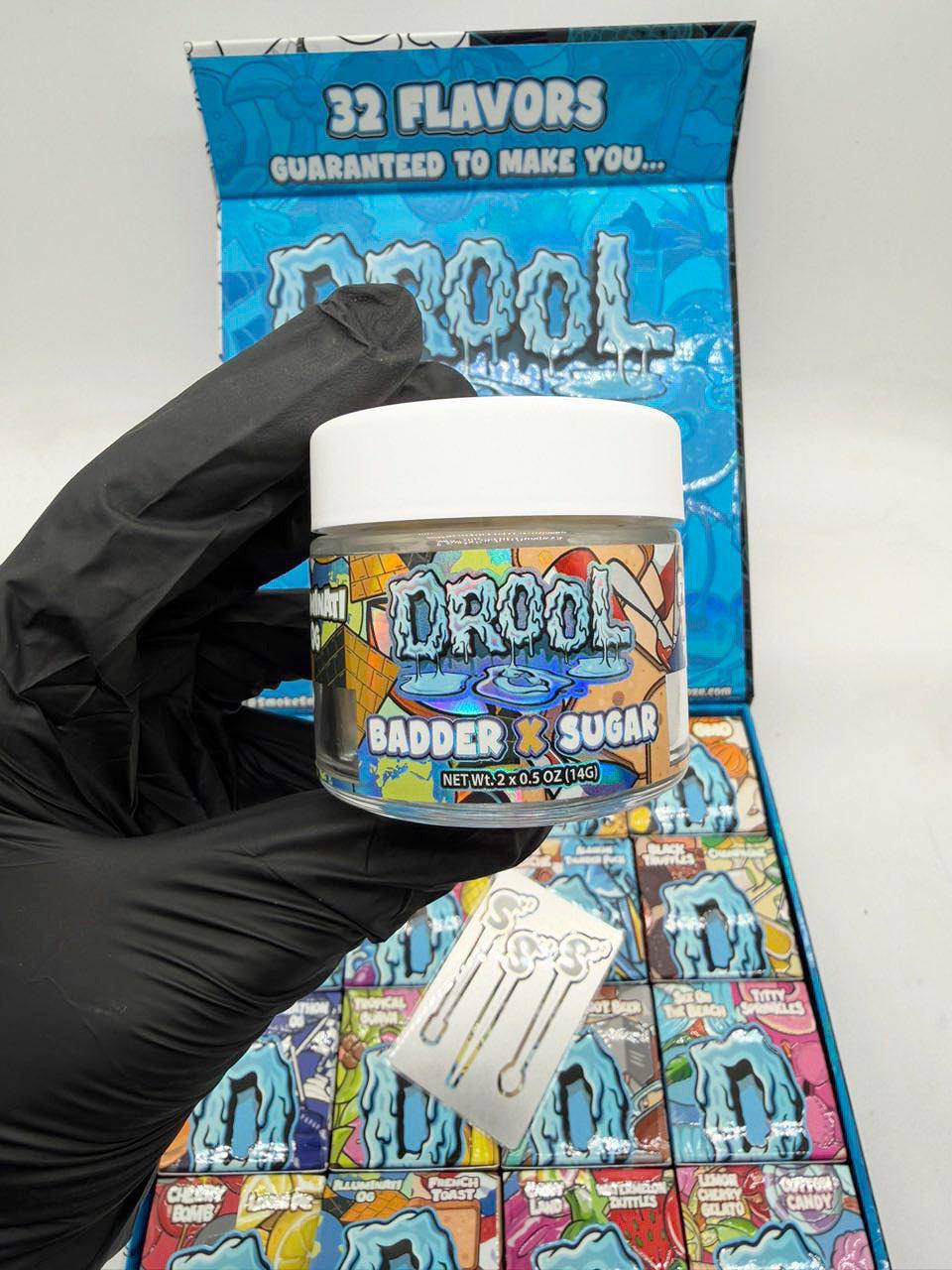

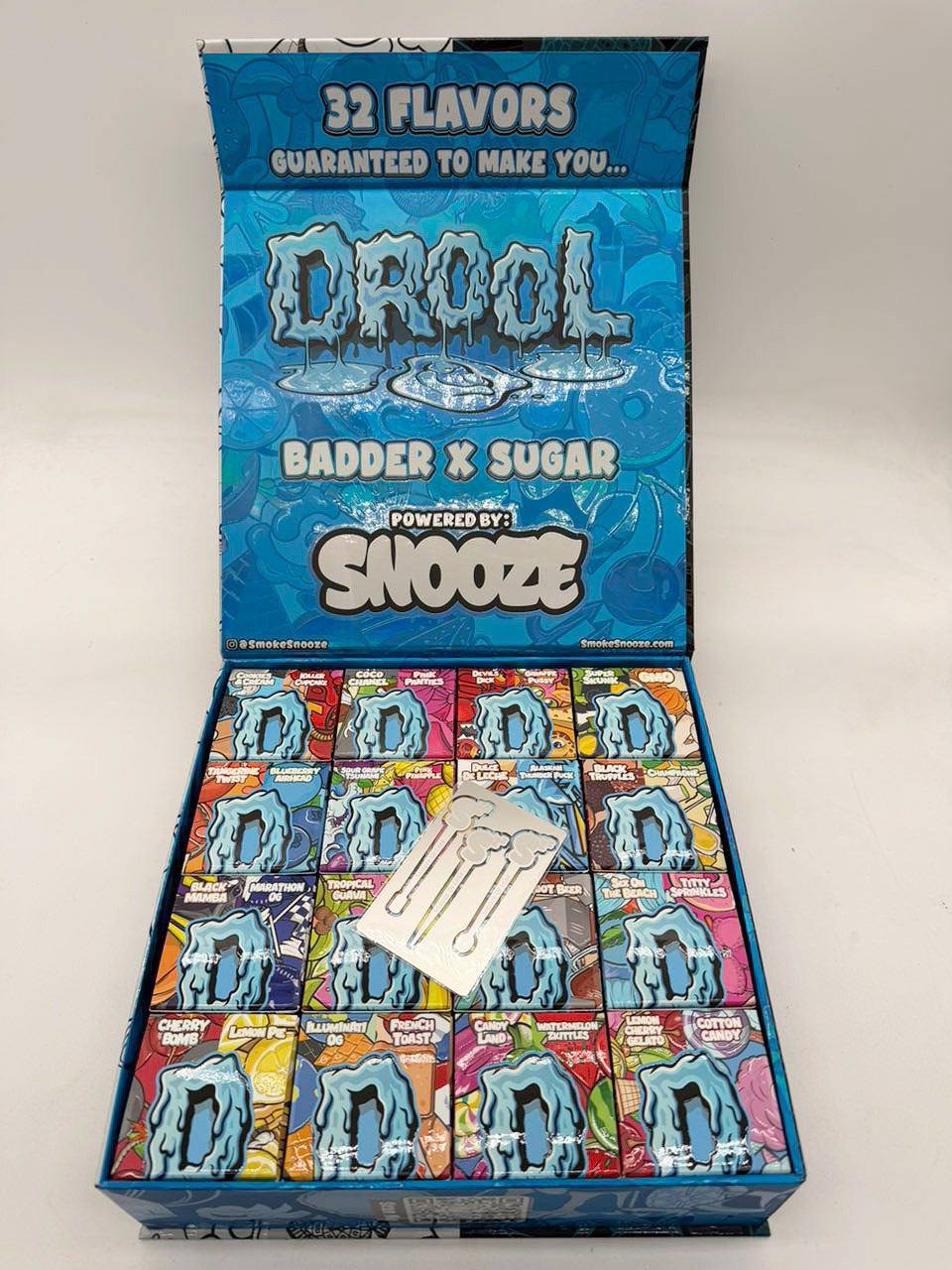
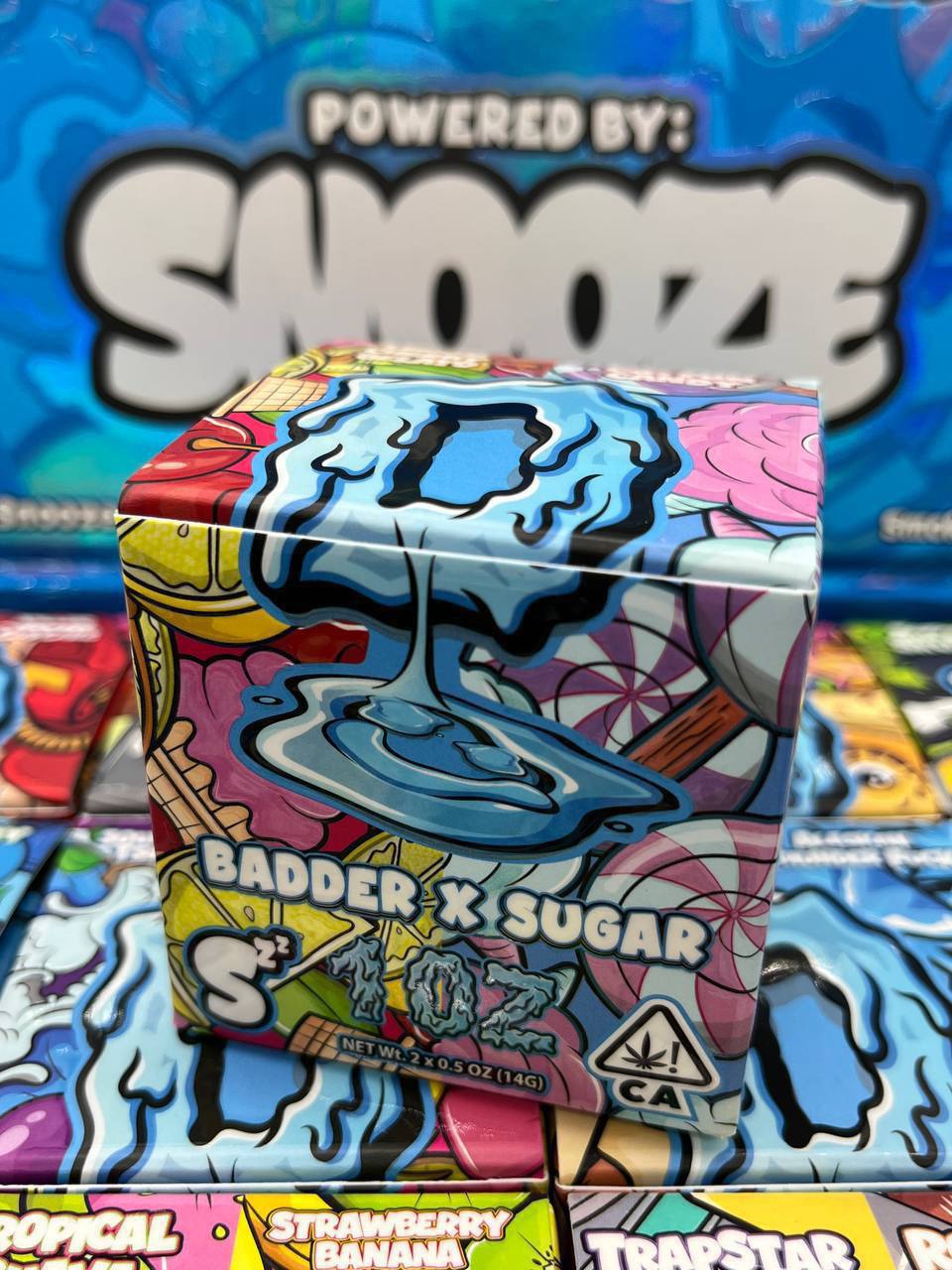
DROOL Badder and Sugar Cannabis Concentrates: Composition, Texture, Production, and Industry Terminology
Drool by snooze badder – suger Cannabis concentrates have become a significant segment of the legal cannabis industry in regions where such products are permitted. Among the many concentrate categories available today, badder and sugar concentrates are frequently discussed because of their distinct textures, production methods, and chemical characteristics. While product names and branding vary between manufacturers, the underlying concentrate categories share several common traits that help consumers, researchers, and industry professionals understand how these products are classified.
What Is Cannabis Concentrate?
Cannabis concentrate refers to a product created by isolating and concentrating specific compounds found in cannabis plant material. These compounds commonly include cannabinoids and terpenes. Concentrates generally contain higher cannabinoid levels than unprocessed cannabis flower because much of the plant material is removed during extraction and refinement.
The primary purpose of concentration is to preserve desirable plant compounds while reducing unnecessary plant matter. As a result, concentrates often exhibit unique textures, aromas, appearances, and chemical profiles.
Understanding Badder Concentrates
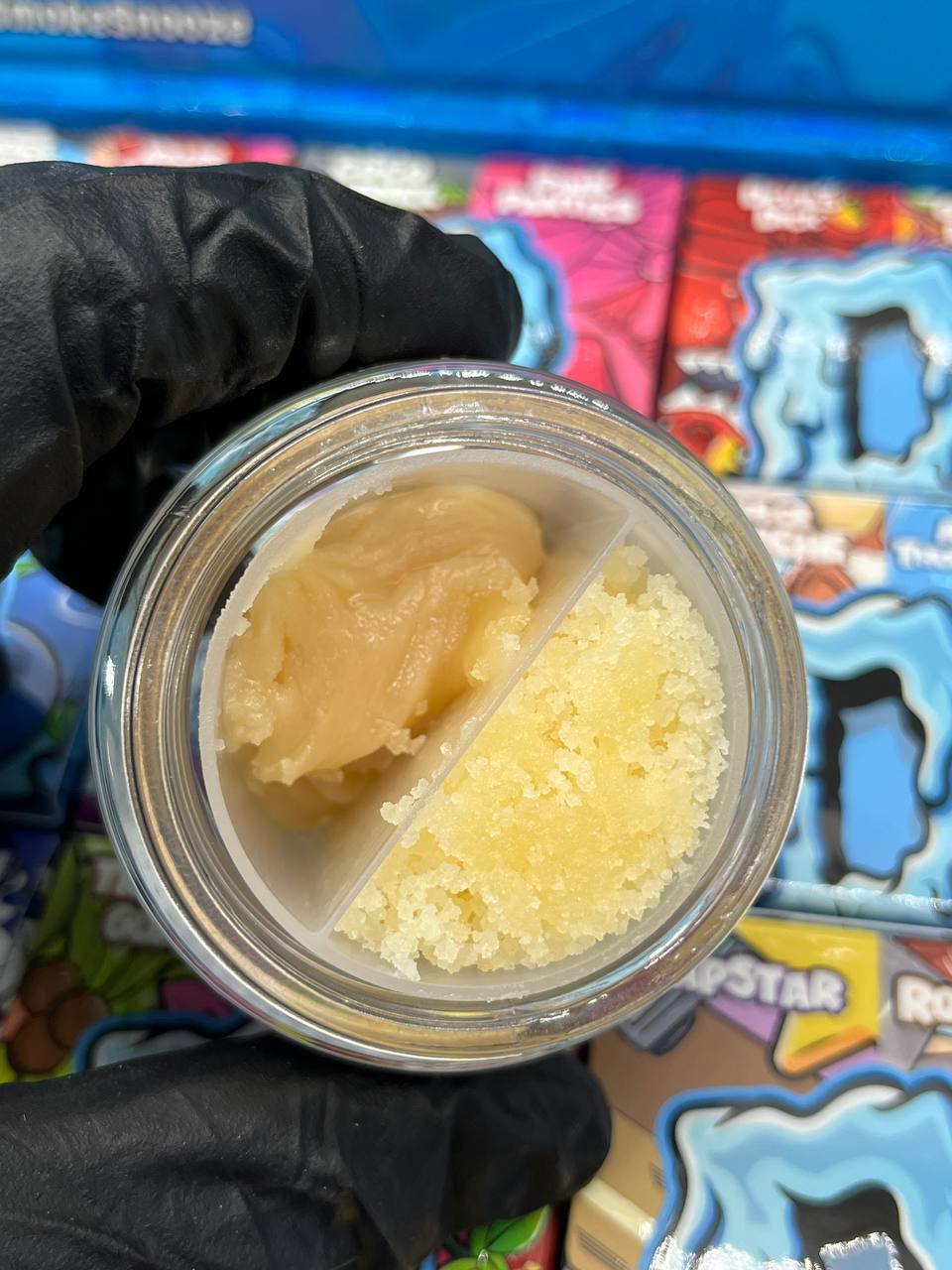
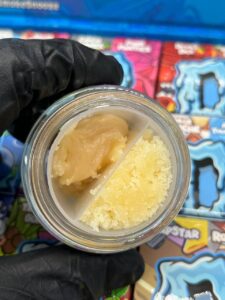
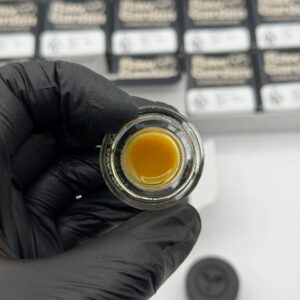
Badder is a concentrate recognized for its soft, creamy consistency. The texture resembles cake batter, whipped frosting, or thick cream. This consistency develops through extraction and post-processing techniques that influence crystal formation and terpene distribution.
Manufacturers often create badder by carefully controlling temperature, pressure, and agitation during production. Consequently, the concentrate develops a smooth texture that many industry observers consider visually distinctive.
Badder products may vary in color depending on several factors:
- Source genetics
- Extraction method
- Terpene content
- Purification processes
- Storage conditions
Colors frequently range from pale yellow to deep golden shades.
What Is Sugar Concentrate?
Sugar concentrate contains visible cannabinoid crystals suspended within a terpene-rich liquid phase. The appearance resembles wet sugar crystals, which explains the category name.
The crystalline structure forms naturally under specific environmental conditions. During storage and processing, cannabinoids may separate and crystallize while terpenes remain in a more fluid state. As a result, sugar concentrates often display a sparkling appearance.
Many concentrate manufacturers value this texture because it highlights natural crystallization processes while preserving aromatic compounds.
Production Fundamentals
Cannabis concentrates typically begin with harvested plant material. Producers then use extraction systems to separate desired compounds from the plant matrix.
Several extraction approaches exist within legal cannabis markets:
- Hydrocarbon extraction
- Carbon dioxide extraction
- Ethanol extraction
- Solventless extraction methods
Each approach influences the final product’s characteristics. Therefore, production decisions play a significant role in determining texture, aroma, and appearance.
After extraction, processors may apply additional refinement techniques. These procedures help shape the concentrate into categories such as wax, badder, crumble, sugar, sauce, or diamonds.

Texture and Physical Characteristics
Texture serves as one of the primary classification tools within the concentrate industry. While chemical composition matters, physical appearance often provides immediate insight into how a product was processed.
Badder textures generally feature:
- Smooth consistency
- Creamy appearance
- Uniform structure
- Easy spreadability
Sugar textures commonly feature:
- Visible crystals
- Semi-liquid terpene layer
- Granular appearance
- Distinct crystalline formations
Because texture influences handling and storage, manufacturers often dedicate substantial attention to consistency control.
The Role of Cannabinoids
Cannabinoids are naturally occurring compounds found in cannabis plants. Researchers continue investigating how these compounds interact with biological systems.
Common cannabinoids include:
- THC
- CBD
- CBG
- CBC
- CBN
The relative concentration of these compounds varies significantly among products. Consequently, laboratory analysis remains an important component of product characterization.
Testing laboratories frequently evaluate:
- Cannabinoid percentages
- Residual solvents
- Heavy metals
- Microbial contamination
- Pesticide residues
These evaluations support quality assurance efforts in regulated markets.
Terpenes and Aroma Profiles
Terpenes contribute substantially to aroma and flavor characteristics. These compounds occur naturally in many plants, including cannabis.
Examples include:
- Myrcene
- Limonene
- Caryophyllene
- Pinene
- Linalool
Different combinations create distinctive aromatic profiles. Furthermore, terpene preservation often influences perceived product quality.
Extraction and storage conditions can affect terpene retention. Therefore, manufacturers frequently prioritize methods that minimize terpene loss.

Storage Considerations
Proper storage helps preserve texture and chemical stability. Environmental factors influence concentrate quality over time.
Important considerations include:
- Temperature management
- Light exposure reduction
- Airtight containment
- Moisture control
When concentrates are stored appropriately, their original characteristics are more likely to remain consistent throughout their shelf life.
Industry Classification Systems
The cannabis industry employs several classification methods to describe concentrates. Texture-based terminology remains among the most common approaches.
Categories often include:
- Shatter
- Wax
- Crumble
- Badder
- Sugar
- Sauce
- Diamonds
- Rosin
Although overlap exists between categories, these labels provide a useful framework for communication between producers, retailers, researchers, and consumers.
Packaging and Presentation
Packaging serves several practical functions within regulated markets. Manufacturers use packaging to support product protection, compliance, and traceability.
Common packaging goals include:
- Product integrity
- Tamper resistance
- Child resistance
- Label visibility
- Storage protection
As regulations evolve, packaging standards continue to develop across jurisdictions.
Laboratory Testing and Quality Assurance
Testing protocols help verify product specifications. Independent laboratories frequently evaluate products before commercial distribution.
Testing categories may include:
- Potency analysis
- Terpene profiling
- Contaminant screening
- Residual solvent analysis
- Stability assessment
These procedures contribute to transparency within regulated environments.
Market Trends
Concentrate categories continue to evolve as extraction technologies advance. Manufacturers regularly explore new techniques designed to optimize texture, purity, and terpene preservation.
Recent trends have included:
- Greater terpene retention
- Expanded solventless offerings
- Enhanced testing standards
- Improved extraction efficiency
- Increased consumer education
Consequently, the concentrate segment remains one of the most dynamic areas of the legal cannabis industry.

Conclusion
Badder and sugar concentrates represent distinct categories within modern cannabis extraction. Their unique textures result from specific processing conditions, crystallization patterns, and terpene distributions. While branding and product names vary among manufacturers, the underlying principles remain rooted in extraction science, cannabinoid chemistry, and texture development. Understanding these fundamentals provides valuable context for anyone studying cannabis concentrates, production technologies, and emerging industry trends.
Extraction Technologies and Their Influence on Concentrate Characteristics
Advances in extraction technology have transformed the cannabis concentrate sector over the past decade. Producers now have access to sophisticated equipment capable of isolating cannabinoids and terpenes with a high degree of precision. As extraction methods continue to evolve, manufacturers gain greater control over the texture, appearance, and chemical composition of finished products.
Extraction systems generally operate by separating desirable compounds from plant material. However, each method introduces different variables that affect the final result. Temperature, pressure, solvent choice, processing duration, and purification procedures all contribute to the concentrate’s characteristics.
For example, lower processing temperatures may help preserve delicate terpenes. Meanwhile, additional refinement stages can alter appearance and consistency. Therefore, two concentrates produced from similar source material may display significantly different textures and aromatic profiles.
Researchers and industry professionals frequently study extraction variables because they provide insight into product development and quality control.
Crystallization Science in Sugar Concentrates
One of the most interesting aspects of sugar concentrates involves crystallization. This process occurs when cannabinoid molecules organize into structured crystal formations under favorable conditions.
Crystallization depends on several factors, including:
- Cannabinoid concentration
- Temperature stability
- Solvent content
- Storage duration
- Molecular interactions
As cannabinoids separate from surrounding compounds, crystal growth may begin. Consequently, a concentrate that initially appears uniform can gradually develop a granular texture.
The resulting crystals vary in size and density. Some products contain fine crystalline structures, whereas others develop larger formations. Because crystallization occurs naturally under certain conditions, it has become an important area of study within concentrate production.
Consistency Control During Manufacturing
Consistency remains a major objective for concentrate manufacturers. Consumers, researchers, and regulatory agencies often expect products to maintain predictable characteristics from batch to batch.
To achieve consistency, producers monitor numerous variables throughout production.
These variables include:
- Raw material quality
- Moisture content
- Extraction parameters
- Purification procedures
- Storage conditions
Quality assurance teams frequently establish standard operating procedures to minimize variation. As a result, production facilities can better maintain uniformity across multiple batches.
Furthermore, laboratory testing helps confirm whether finished products align with intended specifications.
The Importance of Source Material
The characteristics of any concentrate begin with the original plant material. Genetics, cultivation methods, environmental conditions, and harvesting practices all influence the compounds present within cannabis plants.
Several factors affect source material quality:
Genetics
Genetics determine many fundamental plant characteristics, including cannabinoid production potential and terpene composition.
Cultivation Environment
Lighting conditions, nutrient availability, temperature, humidity, and airflow contribute to plant development. Consequently, cultivation practices influence the chemical profile of harvested material.
Harvest Timing
Harvest timing can affect cannabinoid and terpene concentrations. Producers often evaluate plant maturity carefully before harvesting.
Post-Harvest Handling
Drying and curing procedures influence preservation of aromatic compounds. Therefore, post-harvest practices play a significant role in concentrate production outcomes.
Terpene Preservation Techniques
Terpenes are among the most delicate compounds found in cannabis plants. Because they can be sensitive to heat and environmental exposure, manufacturers often implement strategies designed to preserve them.
Common preservation approaches include:
- Controlled temperatures
- Reduced oxygen exposure
- Specialized storage environments
- Rapid processing methods
These practices help maintain the aromatic characteristics associated with specific plant varieties.
Additionally, terpene preservation contributes to product differentiation within the marketplace. Although cannabinoids often receive significant attention, terpene composition remains an important component of overall product characterization.
Regulatory Considerations
Cannabis regulations vary substantially across jurisdictions. As legal frameworks evolve, concentrate manufacturers must adapt to changing compliance requirements.
Regulatory standards often address:
- Product testing
- Packaging requirements
- Labeling accuracy
- Manufacturing practices
- Distribution controls
In many regulated markets, laboratories must verify product specifications before products enter commercial channels.
Because regulations continue to develop, industry participants frequently monitor policy changes to maintain compliance.
Packaging Innovations
Packaging technology has advanced considerably in response to industry needs. Manufacturers seek solutions that preserve product quality while meeting regulatory standards.
Modern packaging designs often focus on:
- Airtight sealing
- Light protection
- Product stability
- Child-resistant mechanisms
- Tamper-evident features
Moreover, packaging serves as an important communication tool by providing laboratory results, ingredient information, and product identification details.
As sustainability concerns gain attention, some manufacturers also explore environmentally conscious packaging alternatives.
Shelf Stability and Product Longevity
Shelf stability refers to a product’s ability to maintain desired characteristics over time. Several environmental factors influence concentrate stability.
These factors include:
- Temperature fluctuations
- Oxygen exposure
- Light exposure
- Humidity changes
- Storage duration
Over extended periods, chemical changes may occur naturally. Consequently, producers often recommend storage conditions intended to support product preservation.
Researchers continue investigating long-term stability because it affects quality assurance, inventory management, and consumer expectations.

Analytical Testing Methods
Modern laboratories employ advanced analytical instruments to evaluate concentrate composition.
Common testing technologies include:
High-Performance Liquid Chromatography
This method helps quantify cannabinoids and identify chemical compounds present within samples.
Gas Chromatography
Gas chromatography assists in terpene analysis and contaminant screening.
Mass Spectrometry
Mass spectrometry provides detailed molecular identification and supports comprehensive product analysis.
Microbial Testing
Laboratories evaluate products for microbial contaminants that may affect quality or safety.
Together, these analytical methods provide valuable information regarding product composition and compliance.
Industry Research and Development
Research and development activities continue expanding throughout the cannabis sector. Scientists, manufacturers, and technology companies explore new approaches to extraction, formulation, and quality assurance.
Current areas of interest include:
- Improved terpene preservation
- Enhanced extraction efficiency
- Advanced purification methods
- Stability optimization
- Novel concentrate formats
As research progresses, industry knowledge continues to grow. Consequently, production techniques become more refined and standardized.
Consumer Education and Product Literacy
Education plays a significant role in helping individuals understand concentrate terminology. Many product names focus on texture, appearance, or processing methods rather than chemical composition alone.
For this reason, educational resources often explain distinctions among categories such as:
- Badder
- Sugar
- Wax
- Crumble
- Sauce
- Diamonds
- Rosin
Improved product literacy enables clearer communication throughout the industry. Furthermore, education supports informed discussions regarding production methods and quality standards.
Future Outlook for Concentrate Categories
The concentrate market continues to evolve as technology, regulation, and consumer knowledge develop. Manufacturers are likely to pursue greater consistency, improved preservation methods, and more detailed analytical testing.
At the same time, advancements in extraction science may create new concentrate categories that differ from today’s classifications. Industry terminology will likely continue adapting to reflect emerging production techniques.
As a result, badder and sugar concentrates remain valuable examples of how processing conditions influence texture, appearance, and chemical structure. Their continued study provides insight into broader developments within cannabis extraction science and manufacturing practices.
Extended Conclusion
Cannabis concentrates represent a complex intersection of agriculture, chemistry, engineering, and quality assurance. Among the many concentrate categories available today, badder and sugar products illustrate how processing decisions shape physical characteristics and chemical composition.
Texture, crystallization behavior, terpene preservation, extraction methodology, and storage conditions all contribute to the identity of a concentrate. Moreover, ongoing research continues to improve understanding of these relationships.
Through advances in analytical testing, manufacturing technology, and regulatory oversight, the industry has developed increasingly sophisticated approaches to concentrate production. Consequently, educational discussions surrounding badder and sugar concentrates provide a useful framework for understanding broader trends within cannabis science and product development.
Quality Metrics Used in Concentrate Evaluation
Quality assessment within the cannabis concentrate industry involves numerous measurable factors. Laboratories, manufacturers, and researchers often rely on objective criteria to evaluate products and production processes.
Several metrics frequently appear in analytical reports:
Cannabinoid Profile
A cannabinoid profile identifies the concentrations of major and minor cannabinoids present within a sample. These measurements help characterize the product and support consistency monitoring.
Terpene Composition
Terpene analysis provides information about aromatic compounds. Researchers often study terpene concentrations because these compounds contribute significantly to the sensory characteristics of cannabis-derived materials.
Purity Measurements
Purity evaluations help determine whether unwanted substances remain within the finished product. Testing protocols may include screening for residual solvents, contaminants, and other impurities.
Stability Indicators
Stability testing examines how products change over time. This process helps manufacturers understand shelf-life characteristics and storage requirements.
Together, these metrics contribute to a comprehensive understanding of concentrate quality.
The Role of Documentation in Manufacturing
Documentation serves as a foundational element of modern production systems. Manufacturing facilities frequently maintain extensive records throughout the production cycle.
Documentation may include:
- Batch records
- Equipment maintenance logs
- Laboratory reports
- Storage records
- Packaging documentation
- Quality control reports
Accurate documentation supports traceability and operational consistency. Furthermore, detailed records assist facilities during audits and regulatory reviews.
As production systems become more sophisticated, digital documentation platforms continue gaining popularity across the industry.
Storage Science and Long-Term Preservation
Storage conditions influence both physical and chemical stability. Consequently, researchers devote significant attention to preservation science.
Several environmental variables affect stored concentrates:
Temperature Consistency
Frequent temperature fluctuations may alter texture and appearance. Therefore, stable storage environments are often preferred for research and quality-control purposes.
Oxygen Exposure
Oxygen can contribute to chemical changes over extended periods. For this reason, airtight packaging solutions are commonly utilized.
Ultraviolet Light
Certain compounds may degrade when exposed to prolonged ultraviolet radiation. Protective packaging helps reduce this risk.
Moisture Control
Excessive moisture can affect product integrity. Accordingly, storage environments are often designed to minimize unwanted humidity variations.
Understanding these factors supports more effective product preservation strategies.
Emerging Technologies in Extraction Equipment
Technological innovation remains a driving force within concentrate manufacturing. Equipment manufacturers continuously develop new systems designed to improve efficiency, consistency, and safety.
Recent innovations have focused on:
- Automated processing systems
- Advanced filtration technologies
- Precision temperature controls
- Enhanced monitoring software
- Improved recovery systems
These developments allow operators to collect more detailed process data while maintaining tighter control over production variables.
As automation expands, facilities may achieve greater repeatability and operational efficiency.
Research Opportunities in Cannabis Science
Although significant progress has occurred, many aspects of cannabis chemistry remain active areas of investigation. Researchers continue exploring relationships among cannabinoids, terpenes, flavonoids, and other naturally occurring compounds.
Current research topics include:
- Plant metabolite interactions
- Genetic influences on chemical expression
- Preservation of volatile compounds
- Crystallization mechanisms
- Advanced analytical methodologies
Each new study contributes valuable information to the broader scientific understanding of cannabis-derived products.
Consequently, academic institutions, private laboratories, and industry organizations remain actively engaged in research initiatives.
International Perspectives
Cannabis regulations and production standards vary considerably across different countries. Some jurisdictions maintain highly regulated commercial systems, while others continue restricting production and distribution activities.
These differences influence:
- Manufacturing practices
- Laboratory standards
- Product availability
- Research opportunities
- Consumer education efforts
Despite regulatory variation, scientific interest in cannabis chemistry continues expanding globally. Researchers from multiple disciplines contribute to a growing body of literature examining cultivation, extraction, and analytical testing.
This international collaboration supports broader knowledge development and encourages the exchange of technical expertise.
Future Standardization Efforts
Industry stakeholders increasingly recognize the value of standardized terminology and testing methodologies. Consistent standards improve communication and facilitate comparison across products and markets.
Future initiatives may focus on:
- Uniform classification systems
- Expanded testing requirements
- Harmonized reporting formats
- Improved laboratory accreditation
- Enhanced manufacturing guidelines
As these efforts progress, stakeholders may benefit from greater transparency and improved data comparability.
Final Observations
The study of cannabis concentrates encompasses numerous disciplines, including chemistry, engineering, agriculture, quality assurance, and regulatory science. Products categorized as badder, sugar, wax, sauce, and related concentrate types demonstrate how processing variables influence final characteristics.
Through advances in extraction technology, laboratory analysis, and manufacturing controls, the industry has developed increasingly sophisticated methods for producing and evaluating concentrates. Meanwhile, ongoing research continues expanding scientific understanding of cannabinoids, terpenes, crystallization behavior, and product stability.
As knowledge grows, the cannabis concentrate sector will likely continue evolving through innovation, standardization, and evidence-based practices. These developments will contribute to a deeper understanding of concentrate production and the complex science that underlies modern extraction technologies.



Reviews
There are no reviews yet.