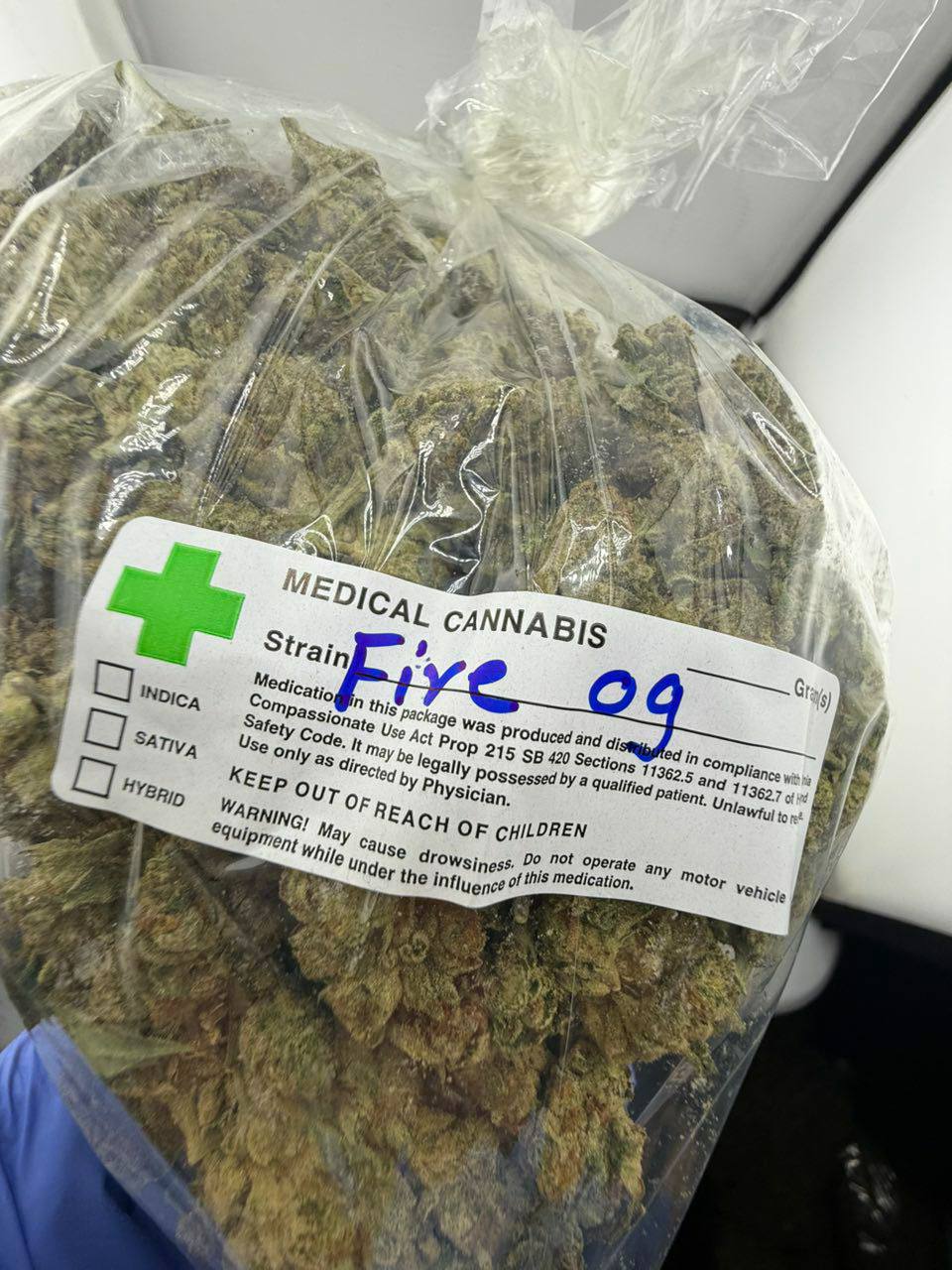
Fire OG Strain: An Educational Overview
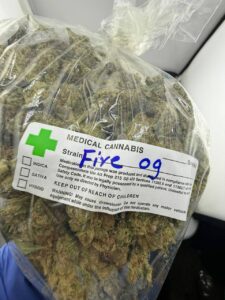
Fire OG is a cannabis strain that is widely discussed within the cannabis community. It is generally described as a hybrid with characteristics often associated with both indica and sativa varieties. The strain has gained recognition among enthusiasts due to its distinctive aroma profile, cultivation history, and place within modern cannabis breeding.
Origins and Background
The exact origins of many cannabis strains can be difficult to verify because breeding practices have evolved over time and documentation standards have varied across different markets. Fire OG is commonly reported to be connected to genetics associated with OG Kush lineages. As a result, it is frequently included in discussions about influential cannabis strains that contributed to the development of numerous modern hybrids.
Appearance
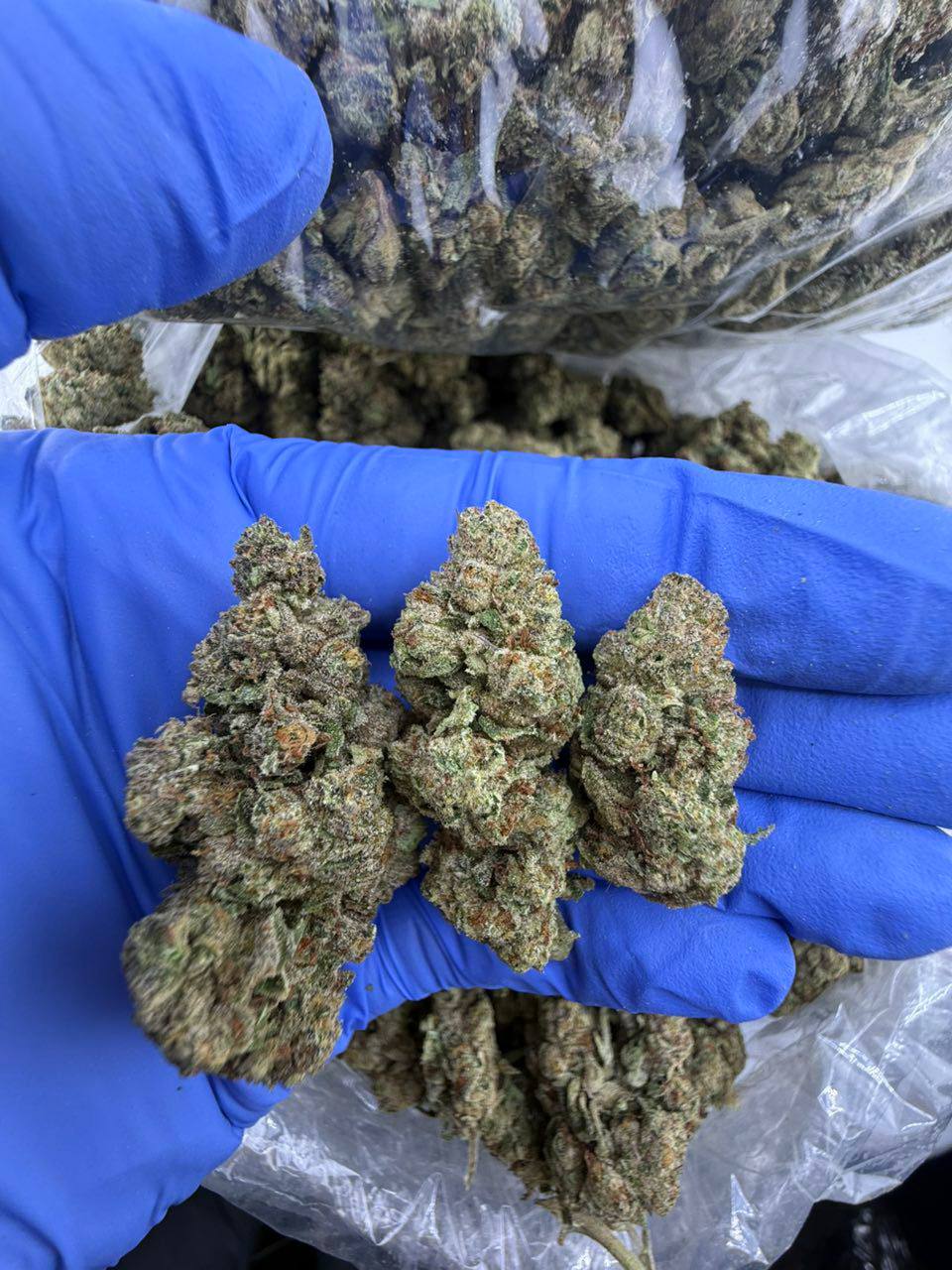
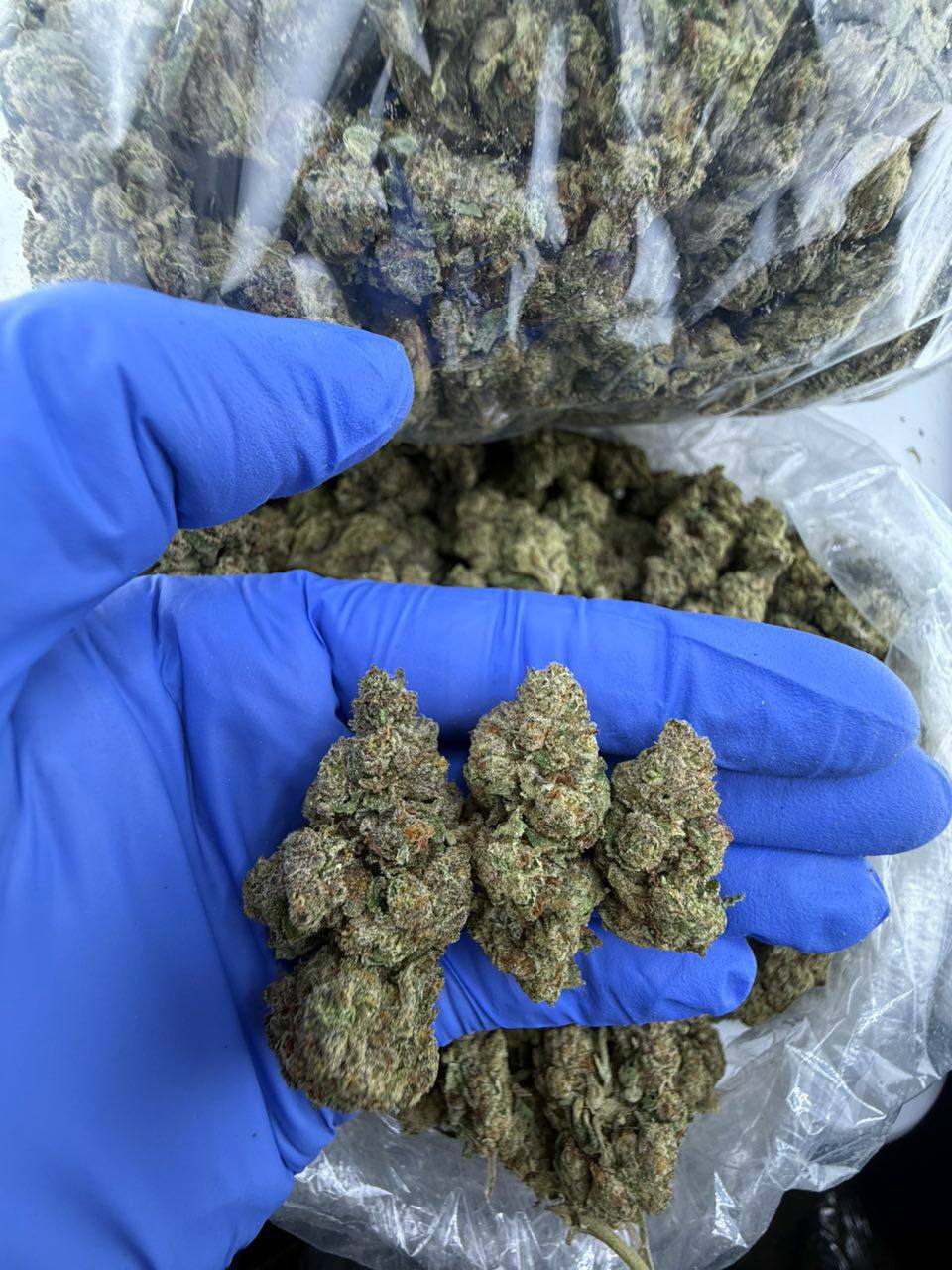
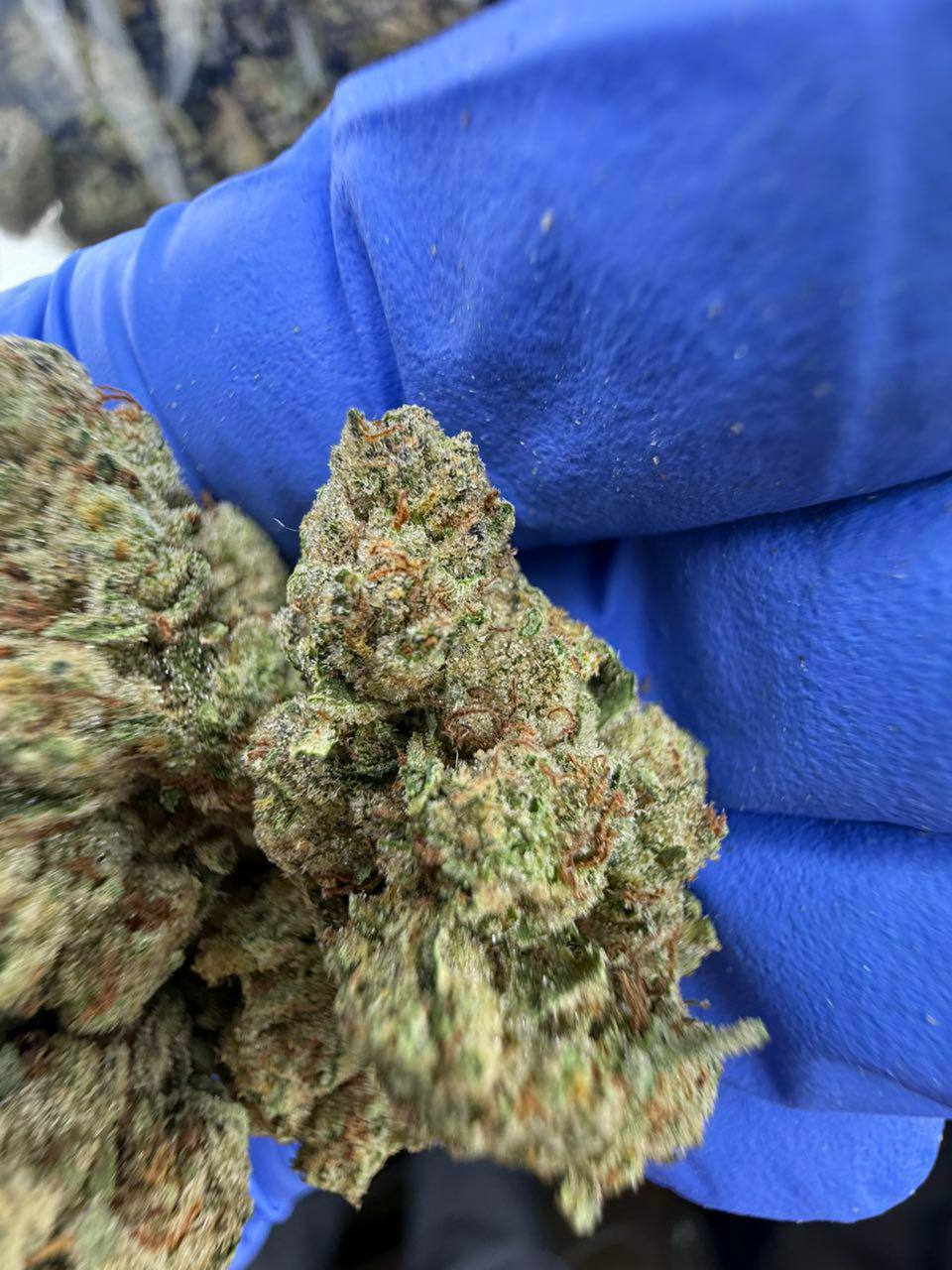
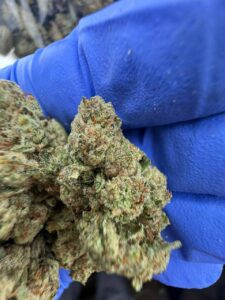
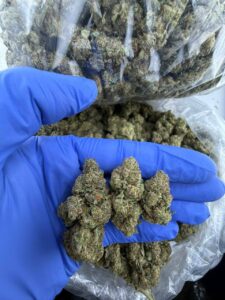
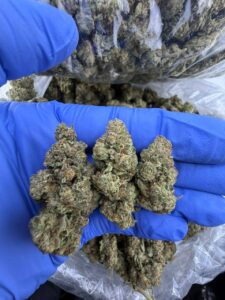
Descriptions of Fire OG often highlight dense flower structures, visible trichome coverage, and a mix of green hues. Depending on cultivation methods, environmental conditions, and harvesting practices, visual characteristics can vary between growers and regions.
Trichomes are small resin glands that appear as crystal-like structures on the surface of cannabis flowers. These glands contain many of the compounds that contribute to aroma and chemical composition.
Aroma Profile
Many users describe Fire OG as having an aroma that combines earthy, pine-like, citrus, and herbal notes. Individual perceptions may differ because aroma experiences can be influenced by personal sensitivity and product quality.
The scent profile of cannabis strains is commonly linked to naturally occurring compounds known as terpenes. These compounds are found throughout the plant kingdom and contribute to the aromas of numerous fruits, flowers, and herbs.
Cultivation Considerations
Cultivation outcomes can vary significantly depending on environmental conditions, lighting systems, nutrient management, and growing techniques. Growers often evaluate factors such as flowering time, plant structure, resistance characteristics, and yield potential when selecting strains.
Because cultivation regulations differ widely across jurisdictions, individuals should always follow local laws and applicable requirements before engaging in any cannabis-related activity.
Factors Affecting Quality
Several factors influence the overall quality of cannabis flower:
- Genetic stability
- Cultivation practices
- Harvest timing
- Drying procedures
- Curing methods
- Storage conditions
Proper handling throughout the production process helps preserve aroma, appearance, and overall consistency.
Storage
Cannabis products are commonly stored in cool, dry environments away from direct sunlight. Appropriate storage practices may help maintain product quality over time.
Legal Considerations
Cannabis laws differ substantially across countries, states, provinces, and municipalities. Some regions permit medical use, others allow adult recreational use, and many continue to prohibit cannabis entirely. Individuals should review local regulations before purchasing, possessing, or using cannabis products.
Conclusion
Fire OG remains a frequently discussed cannabis strain due to its history, genetics, and recognizable aroma profile. As with any cannabis-related topic, understanding cultivation practices, product quality factors, and local regulations provides important context for informed discussion.
Terpenes and Their Role in Cannabis Varieties
One of the most discussed aspects of cannabis strains is their terpene profile. Terpenes are naturally occurring aromatic compounds found in many plants, including citrus fruits, pine trees, lavender, rosemary, and cannabis. These compounds contribute to the unique scent and flavor characteristics associated with different varieties.
In cannabis, terpene concentrations can vary significantly between harvests, cultivation environments, and phenotypes. As a result, two samples of the same strain may display subtle differences in aroma and flavor.
Several terpenes are frequently mentioned in cannabis education:
Myrcene
Myrcene is one of the most common terpenes found in cannabis. It is also present in mangoes, hops, and lemongrass. Many people describe its aroma as earthy, herbal, or musky.
Limonene
Limonene is associated with citrus-like aromas. It can also be found in oranges, lemons, and other citrus fruits. This terpene often contributes bright and fresh scent characteristics.
Caryophyllene
Caryophyllene is known for its peppery and spicy aroma profile. It is naturally present in black pepper, cloves, and cinnamon.
Pinene
Pinene contributes pine-like aromas and is commonly found in conifer trees, rosemary, and basil. Its distinctive scent is familiar to many people even outside cannabis-related contexts.
The combination of these and other terpenes helps create the unique aromatic identity that consumers often associate with specific cannabis varieties.
The Importance of Cultivation Environment
Environmental conditions influence plant development throughout the cultivation cycle. Factors such as temperature, humidity, airflow, nutrient availability, and lighting can affect plant growth and final product characteristics.
Indoor cultivation allows growers to control many environmental variables. Lighting schedules, temperature ranges, and humidity levels can be adjusted with precision. Consequently, indoor cultivation often emphasizes consistency.
Outdoor cultivation relies on natural sunlight and seasonal conditions. Many cultivators appreciate the environmental benefits and natural growing conditions associated with outdoor agriculture. However, weather variability can create additional challenges.
Greenhouse cultivation combines aspects of both approaches. Natural sunlight remains a primary energy source, while growers maintain greater control over environmental conditions compared to traditional outdoor farming.
Harvesting Practices
Harvest timing plays a major role in determining final product quality. Growers often monitor flower development closely as plants approach maturity.
Several indicators may be evaluated during this stage:
- Flower density
- Trichome appearance
- Pistil development
- Overall plant health
Harvesting too early may affect overall maturity, while harvesting too late may influence certain plant characteristics. Therefore, cultivators frequently devote significant attention to timing decisions.
Drying and Curing
After harvest, drying and curing represent critical stages in cannabis production.
Drying reduces moisture content within the harvested material. This process typically occurs in controlled environments designed to minimize excessive heat, direct light exposure, and sudden humidity fluctuations.
Following drying, curing allows flowers to stabilize gradually over time. Proper curing can contribute to improved consistency and preservation of aroma compounds.
The curing process may continue for several weeks depending on cultivation goals and production methods. During this period, environmental monitoring remains important.
Understanding Cannabis Classification
Cannabis strains are often categorized as indica, sativa, or hybrid. These classifications remain common within the industry, although modern breeding practices have created substantial overlap between categories.
Indica
Indica classifications traditionally refer to plants that display broader leaves and more compact growth patterns. However, contemporary cannabis genetics frequently combine traits from multiple lineages.
Sativa
Sativa classifications are commonly associated with taller growth structures and narrower leaf formations. As with indica varieties, modern hybrids may exhibit a wide range of characteristics.
Hybrid
Hybrid strains contain genetics from multiple cannabis lineages. Because hybridization has become widespread, many commercially available strains fall within this category.
Researchers continue studying cannabis genetics, and scientific understanding of classification systems continues to evolve.
Factors That Influence Consumer Perception
Consumer experiences can vary substantially due to numerous factors. These include:
- Product quality
- Storage conditions
- Freshness
- Individual physiology
- Consumption method
- Environmental context
Because these variables differ from person to person, individual reports should not be interpreted as universally applicable outcomes.
The Role of Laboratory Testing
Laboratory analysis has become increasingly important in regulated cannabis markets. Testing programs may evaluate:
- Cannabinoid content
- Terpene composition
- Residual solvents
- Heavy metals
- Microbial contamination
- Pesticide residues
Testing standards vary among jurisdictions. Nevertheless, laboratory verification often provides consumers with additional information regarding product composition and quality assurance.
Packaging and Preservation
Packaging serves several important purposes. First, it helps protect products from environmental exposure. Second, it supports compliance with applicable regulations. Third, it can contribute to product freshness during storage and transportation.
Manufacturers may utilize:
- Glass containers
- Metal tins
- Specialized polymer packaging
- Child-resistant closures
Each packaging solution offers distinct advantages depending on distribution requirements and regulatory expectations.
Industry Trends and Consumer Education
Consumer interest in cannabis education has expanded significantly during recent years. Many individuals seek information regarding cultivation methods, cannabinoid science, terpene research, and regulatory developments.
Educational resources frequently focus on:
- Plant biology
- Agricultural techniques
- Product testing
- Consumer safety
- Regulatory compliance
- Scientific research
As legal markets continue evolving, access to educational information remains an important component of responsible consumer awareness.
Research and Future Developments
Cannabis research continues expanding across multiple disciplines. Scientists investigate plant genetics, cultivation technologies, analytical testing methods, and agricultural sustainability practices.
Areas receiving growing attention include:
- Genetic mapping
- Environmental efficiency
- Water conservation
- Pest management
- Advanced cultivation systems
- Improved testing methodologies
These developments may contribute to a deeper understanding of cannabis cultivation and production in the years ahead.
Thoughts
Fire OG remains a recognizable name within cannabis culture due to its reported genetic background and longstanding presence in discussions among enthusiasts. Beyond individual strain identities, broader topics such as cultivation practices, terpene science, laboratory testing, and regulatory frameworks provide valuable context for understanding cannabis as an agricultural product.
Continued research, consumer education, and responsible production standards are likely to shape the future of the industry. Consequently, understanding the science and cultivation principles behind cannabis varieties offers a more comprehensive perspective than strain names alone.
Cannabis Genetics and Modern Breeding
Modern cannabis cultivation relies heavily on selective breeding. Breeders often combine desirable plant characteristics from different genetic lineages in an effort to achieve specific agricultural outcomes. These outcomes may include growth structure, flowering duration, resistance traits, aroma profiles, and overall consistency.
Over time, extensive hybridization has created a diverse range of cannabis varieties. Consequently, tracing the complete genetic history of some strains can be challenging. Documentation standards have improved in recent years; however, historical records may remain incomplete for many older varieties.
Genetic stability is an important consideration within breeding programs. Stable genetics help growers achieve more predictable cultivation results across multiple production cycles. Therefore, breeders often spend years refining plant characteristics before introducing new cultivars to the marketplace.
Understanding Phenotypes
A phenotype refers to the observable characteristics expressed by a plant. Even seeds originating from the same genetic lineage may produce plants that display slight differences.
These differences can include:
- Plant height
- Branch structure
- Flower density
- Color expression
- Aroma intensity
- Growth rate
Growers frequently evaluate multiple plants to identify desirable phenotypes. Subsequently, selected plants may be preserved for future cultivation through cloning practices where legally permitted.
Environmental Stress and Plant Development
Plants respond continuously to their environment. Temperature fluctuations, water availability, nutrient balance, and light exposure can influence development throughout the growing cycle.
Environmental stress may affect:
- Growth patterns
- Flower formation
- Overall yield
- Plant appearance
- Chemical composition
Because environmental management plays such an important role, commercial cultivation facilities often invest heavily in monitoring systems designed to maintain stable growing conditions.
Sustainable Cultivation Practices
Sustainability has become an increasingly important topic within agriculture, including cannabis cultivation. Many producers seek methods that reduce environmental impact while maintaining product quality.
Examples include:
Water Conservation
Efficient irrigation systems can reduce water consumption while supporting healthy plant growth. Drip irrigation technologies are commonly discussed within sustainable agriculture initiatives.
Energy Efficiency
Indoor cultivation requires significant energy inputs. Consequently, many facilities explore high-efficiency lighting systems and environmental controls to reduce resource consumption.
Integrated Pest Management
Integrated pest management focuses on prevention, monitoring, and targeted intervention strategies. This approach may help reduce reliance on broad-spectrum treatments.
Waste Reduction
Recycling programs, composting initiatives, and improved packaging design can contribute to overall sustainability efforts within the industry.
The Importance of Consumer Awareness
Consumer education remains essential in any regulated market. Access to reliable information allows individuals to better understand products, regulations, and quality indicators.
Educational topics often include:
- Product labeling
- Laboratory testing terminology
- Storage recommendations
- Regulatory compliance
- Safety considerations
As information becomes more accessible, consumers may be better equipped to evaluate products based on objective criteria rather than marketing claims alone.
Common Label Information
In regulated jurisdictions, product labels often provide detailed information intended to improve transparency.
Information may include:
- Batch numbers
- Production dates
- Expiration dates
- Laboratory testing references
- Net weight
- Ingredient disclosures
- Regulatory warnings
Label requirements vary significantly among regions. Therefore, consumers should familiarize themselves with local standards and regulations.
Quality Assurance Throughout the Supply Chain
Quality assurance extends beyond cultivation. Multiple stages of production contribute to the final product that reaches consumers.
These stages may include:
- Cultivation
- Harvesting
- Drying
- Curing
- Packaging
- Storage
- Transportation
- Retail handling
At each stage, quality control measures help preserve product integrity. Furthermore, documented procedures can support consistency and regulatory compliance.
Global Perspectives on Cannabis Regulation
Cannabis regulations differ substantially around the world. Some countries maintain strict prohibitions, while others permit medical use, adult-use markets, or limited research programs.
Regulatory frameworks often address:
- Cultivation licensing
- Product testing
- Packaging standards
- Advertising restrictions
- Consumer protection measures
- Distribution requirements
Because regulations continue evolving, legal requirements should always be verified through official sources within the relevant jurisdiction.
Agricultural Innovation and Technology
Technological innovation continues transforming agricultural industries worldwide. Cannabis cultivation has also benefited from advancements in environmental monitoring and data analysis.
Examples include:
- Automated irrigation systems
- Climate control technologies
- Remote monitoring sensors
- Data-driven cultivation management
- Precision agriculture techniques
These tools may improve efficiency while supporting consistent production standards.
Looking Ahead
The cannabis industry continues developing as research expands and regulations evolve. Scientific investigation is providing new insights into plant genetics, cultivation techniques, and agricultural best practices.
Future developments may focus on:
- Improved genetic understanding
- Enhanced sustainability initiatives
- More efficient cultivation systems
- Advanced testing methodologies
- Greater product transparency
As knowledge continues growing, educational resources will remain important for consumers, researchers, cultivators, and policymakers alike.
Conclusion
Fire OG is frequently referenced within discussions of cannabis genetics and strain history. However, understanding cannabis extends far beyond individual strain names. Cultivation methods, environmental factors, laboratory testing, regulatory standards, and agricultural science all contribute to a broader understanding of the plant.
By examining these topics through an educational lens, readers can gain a more informed perspective on cannabis cultivation, production practices, and ongoing industry developments.
Historical Development of Cannabis Cultivation
The cultivation of cannabis has a long history that spans multiple continents and centuries. Historical records indicate that various forms of the plant were cultivated for purposes such as fiber production, seed harvesting, and traditional applications. Over time, cultivation methods evolved alongside advances in agriculture.
Early growers relied primarily on environmental observation and practical experience. Knowledge regarding planting schedules, soil management, irrigation, and harvesting techniques was often passed from one generation to another. As agricultural science developed, growers gained access to improved tools, research, and cultivation strategies.
Today, cannabis cultivation may involve sophisticated environmental controls, data monitoring systems, and laboratory analysis. Nevertheless, many traditional agricultural principles remain relevant. Healthy soil, appropriate watering practices, and careful environmental management continue to play significant roles in successful cultivation.
Soil and Growing Media
Growing media provide physical support and access to nutrients during plant development. Different cultivation systems utilize different growing environments depending on production goals and available resources.
Traditional Soil Cultivation
Soil remains one of the most widely used growing media in agriculture. High-quality soil can support beneficial microbial activity while providing access to essential nutrients. Growers often focus on soil structure, drainage capacity, and organic matter content.
Coco Coir Systems
Coco coir is derived from coconut husks and has become increasingly popular among cultivators. It offers strong water retention while maintaining good aeration around root systems.
Hydroponic Cultivation
Hydroponic systems allow plants to grow without traditional soil. Instead, roots receive nutrients through water-based solutions. These systems can provide precise control over nutrient delivery and environmental conditions.
Each cultivation method presents unique advantages and challenges. Consequently, growers often select approaches based on operational goals, available infrastructure, and personal preference.
Nutrient Management
Plants require a range of nutrients to support healthy growth. Nutrient management involves balancing essential elements throughout different stages of development.
Primary nutrients commonly discussed include:
- Nitrogen
- Phosphorus
- Potassium
Secondary nutrients and micronutrients also contribute to plant health. These include calcium, magnesium, sulfur, iron, zinc, manganese, and several other elements.
Growers frequently adjust nutrient strategies according to plant age and developmental stage. Therefore, monitoring plant responses becomes an important aspect of cultivation management.
Lighting Technologies
Lighting systems are particularly important in controlled indoor environments. Over the years, cultivation facilities have adopted various technologies to improve efficiency and plant performance.
High-Intensity Discharge Lighting
High-intensity discharge systems were widely used for many years. These systems provided strong light output but often generated significant heat.
Light-Emitting Diodes (LEDs)
LED technology has become increasingly common due to improvements in efficiency and spectrum control. Many facilities appreciate the reduced energy consumption and lower heat production associated with modern LED systems.
Natural Sunlight
Outdoor and greenhouse cultivation continue to utilize natural sunlight as a primary energy source. Sunlight remains one of the most efficient resources available for plant growth.
Airflow and Ventilation
Air movement contributes to a healthy cultivation environment. Proper ventilation supports temperature regulation, humidity management, and gas exchange.
Common objectives include:
- Maintaining stable temperatures
- Reducing excess moisture
- Supporting plant respiration
- Promoting uniform environmental conditions
Ventilation systems may include intake fans, exhaust fans, circulation fans, and filtration equipment depending on facility design.
Understanding Plant Life Cycles
Cannabis plants progress through several developmental stages. Each stage presents unique requirements and management considerations.
Germination
Germination marks the beginning of plant development. During this phase, seeds absorb moisture and initiate growth processes.
Seedling Stage
Young plants develop their initial leaves and root systems during the seedling stage. Environmental stability is particularly important during early development.
Vegetative Growth
Plants focus on structural growth during the vegetative stage. Root systems expand while stems and leaves continue developing.
Flowering Stage
The flowering stage involves the development of reproductive structures. Environmental management remains critical throughout this period.
Harvest and Post-Harvest Handling
After flowering, growers evaluate plant maturity before proceeding to harvest. Drying, curing, storage, and packaging activities follow harvest operations.
The Role of Research Institutions
Academic institutions and research organizations continue investigating numerous aspects of cannabis science. Areas of study include:
- Plant genetics
- Agricultural productivity
- Environmental sustainability
- Analytical chemistry
- Pest management
- Crop improvement
Research findings contribute to a growing body of knowledge that supports evidence-based cultivation practices.
Consumer Interest in Transparency
Transparency has become an important topic across many industries. Cannabis consumers increasingly seek information regarding sourcing, production methods, and testing standards.
Factors commonly considered include:
- Cultivation practices
- Ingredient disclosures
- Laboratory verification
- Regulatory compliance
- Packaging integrity
As a result, producers often emphasize documentation and traceability throughout the supply chain.
Future Directions in Cannabis Agriculture
Agricultural innovation continues shaping the future of cannabis cultivation. Emerging technologies may help improve efficiency, sustainability, and product consistency.
Potential developments include:
- Automated environmental controls
- Artificial intelligence-assisted monitoring
- Advanced genetic analysis
- Precision irrigation systems
- Improved resource management techniques
These innovations may help cultivators address challenges related to productivity, environmental stewardship, and operational efficiency.
Educational Value of Strain Discussions
Strain names such as Fire OG frequently serve as entry points into broader discussions about cannabis science and cultivation. While strain identification remains important within the industry, deeper understanding often comes from exploring the agricultural and biological principles behind plant development.
Topics such as genetics, environmental management, laboratory testing, and sustainability provide valuable educational context. Consequently, consumers and researchers alike benefit from examining cannabis through a comprehensive and evidence-informed perspective.
Final Summary
Cannabis cultivation represents a complex intersection of agriculture, biology, technology, and regulation. From seed selection to post-harvest handling, numerous factors influence plant development and final product quality.
Fire OG remains one of many strain names discussed within cannabis culture. However, the broader educational value lies in understanding cultivation systems, scientific research, quality assurance practices, and evolving agricultural technologies. As knowledge continues expanding, informed discussion will remain essential for navigating this rapidly developing field.

Reviews
There are no reviews yet.