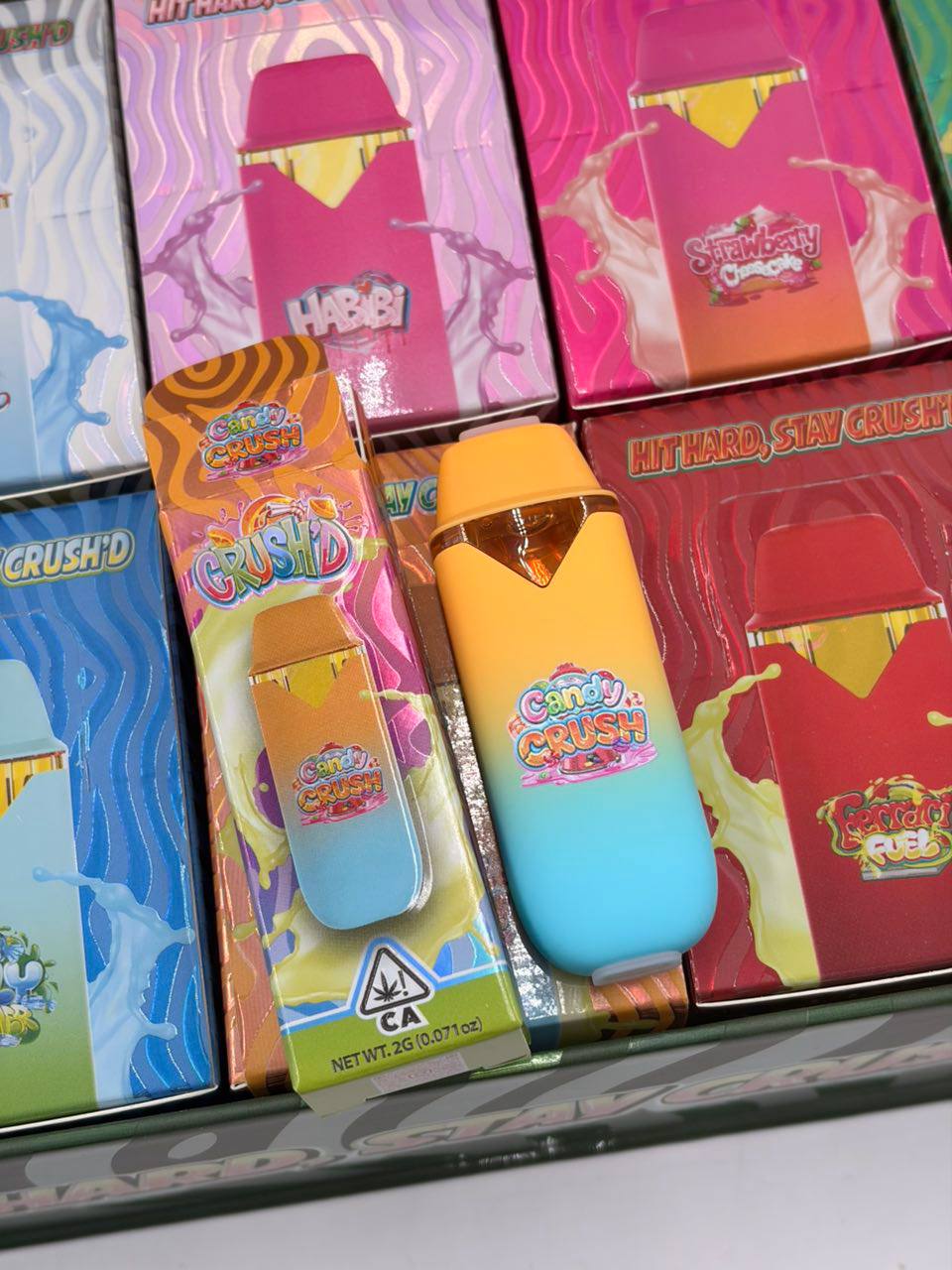
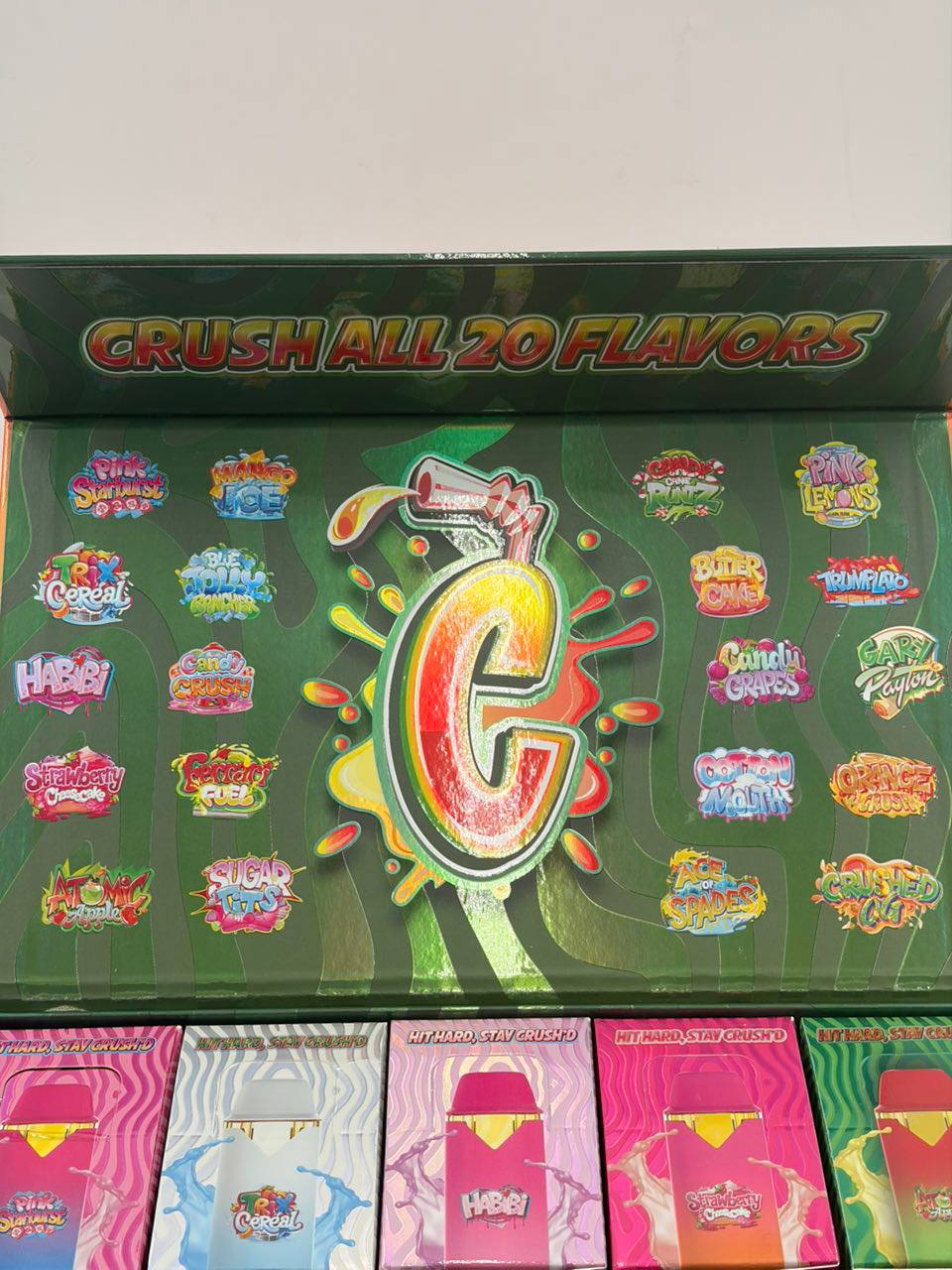
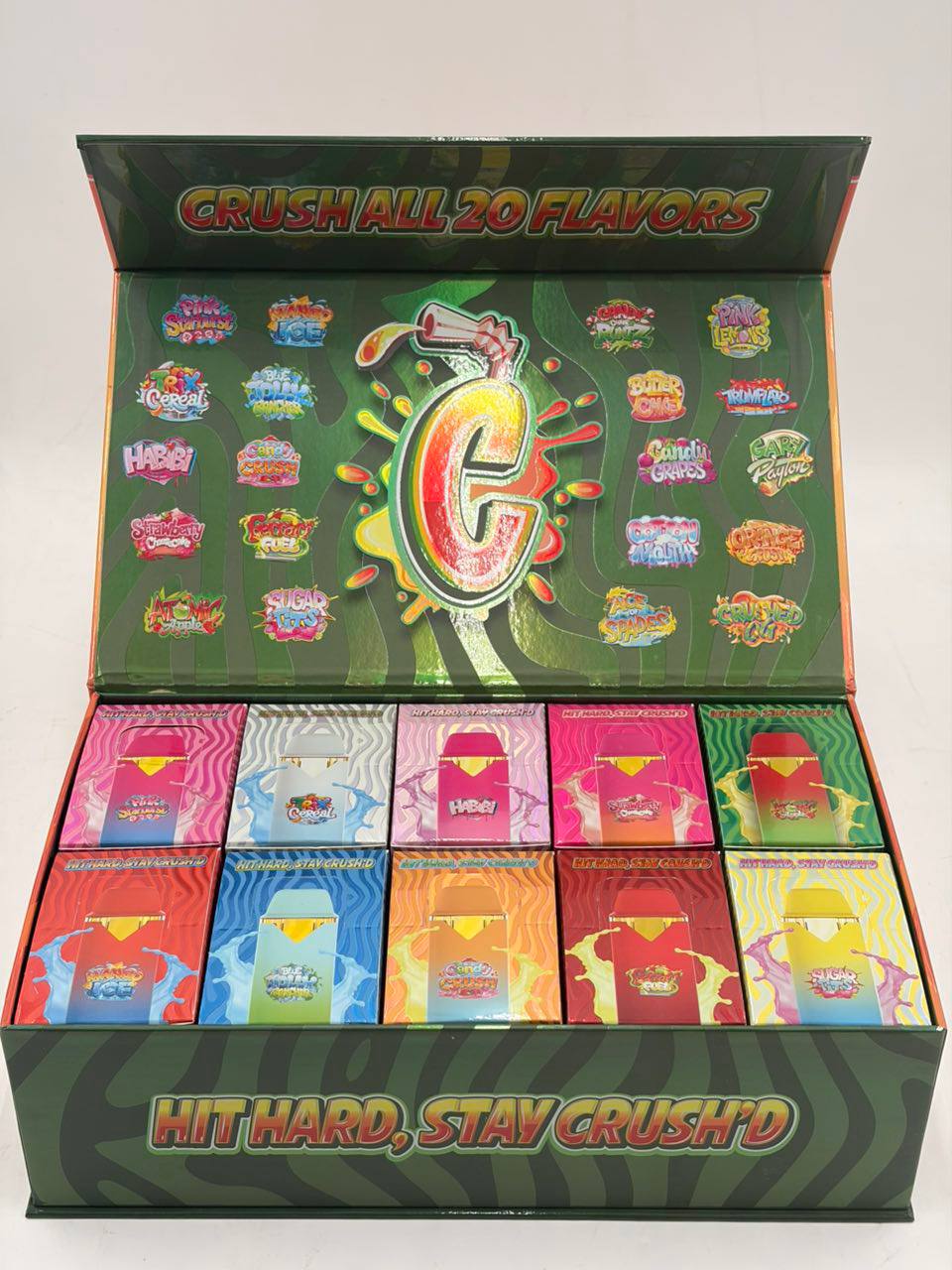


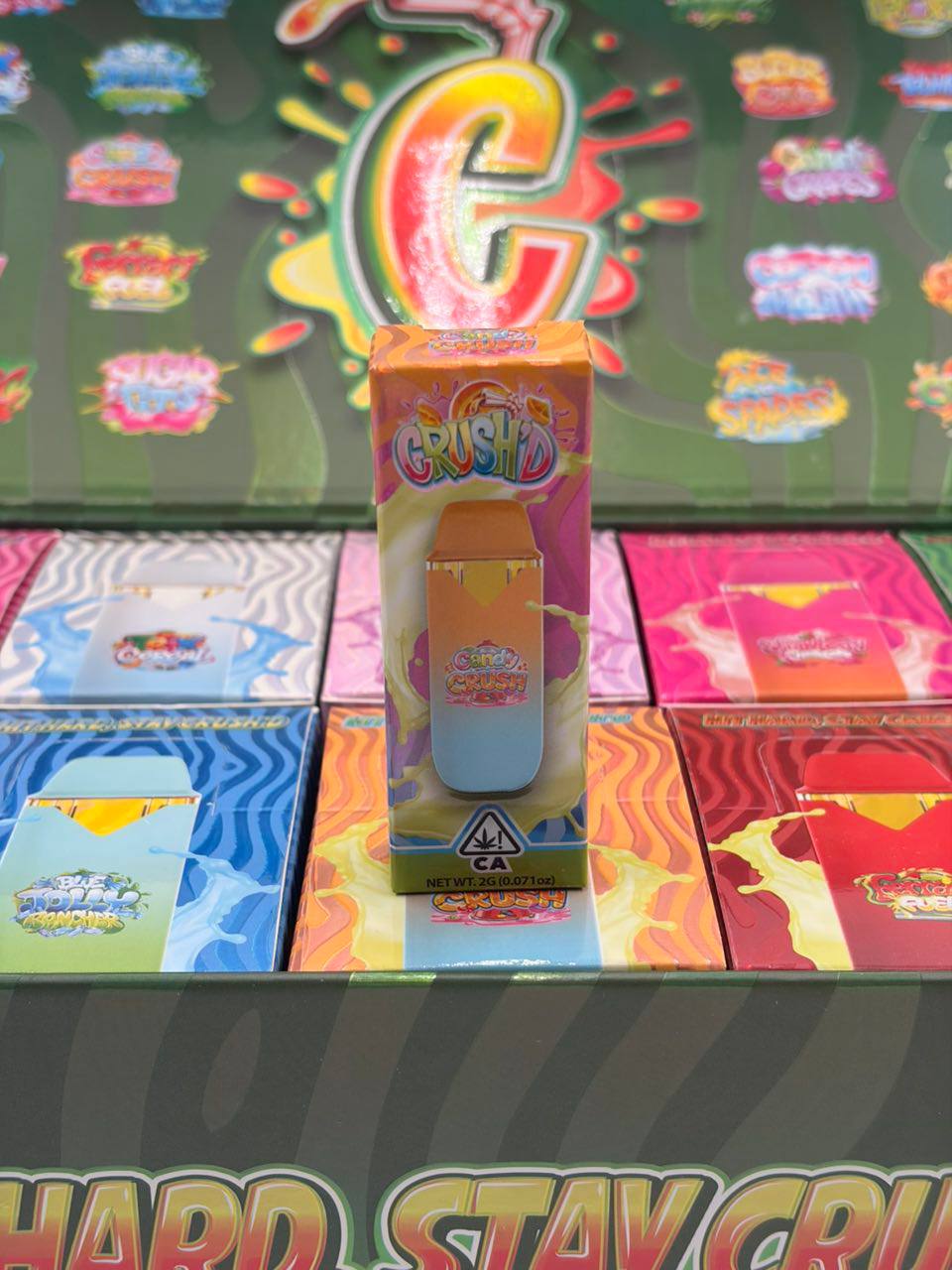
Crush’d 2G Disposable: A Comprehensive Guide to Cannabis Disposable Vape Technology
Introduction
Crush’d 2g Disposable cannabis vaporizers have become a recognizable category within the legal cannabis industry. Their compact design, integrated battery, and pre-filled extract chamber provide a straightforward experience without requiring separate cartridges or external batteries. Among the products available in regulated markets, 2-gram disposable devices offer a larger reservoir than many earlier designs, extending the usable lifespan of the device before disposal.
This guide explains how 2-gram disposable vaporizers work, the materials commonly used during manufacturing, the role of cannabis extracts and terpenes, proper storage practices, environmental considerations, and important safety information. The purpose of this article is educational and informational rather than promotional.
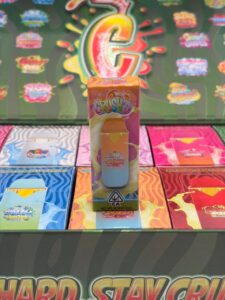
What Is a 2-Gram Disposable Vape?
A 2-gram disposable vape is an all-in-one electronic vaporizer designed to contain approximately two grams of cannabis extract. Unlike cartridge systems, disposable devices integrate the battery, heating element, reservoir, and mouthpiece into a single unit.
Because every component remains permanently assembled, users generally do not replace cartridges or coils. Once the extract has been depleted or the battery has reached the end of its usable life, the device is discarded according to applicable local electronic waste guidelines.
Main Components
Most disposable vaporizers include several essential components that work together to produce vapor.
- Rechargeable or integrated battery
- Heating element or atomizer
- Cannabis extract chamber
- Airflow pathway
- Mouthpiece
- Protective housing
- Charging port on rechargeable models
Each component contributes to overall functionality. Furthermore, manufacturers continue refining these designs to improve consistency and reliability.
Cannabis Extracts Used
Manufacturers may formulate disposable vaporizers using several different extract types.
Common examples include:
- Distillate
- Live resin
- Live rosin
- Full-spectrum extracts
- Solventless concentrates
Each extract differs in production method, cannabinoid profile, terpene content, texture, and aroma. Consequently, legal markets often offer numerous formulations to meet different consumer preferences.

Understanding Terpenes
Terpenes are naturally occurring aromatic compounds found in cannabis and many other plants. They contribute to distinctive scents and flavors.
Examples include citrus-like aromas, pine notes, floral characteristics, earthy tones, and sweet fruit profiles. Additionally, extraction methods may influence terpene preservation.
Device Operation
Disposable vaporizers generally activate in one of two ways.
Some rely on automatic draw activation, while others include a button that powers the heating element.
As air flows through the device, the heating element vaporizes the extract without burning plant material. Therefore, vapor production differs from traditional combustion.
Battery Technology
Modern disposable vaporizers frequently include rechargeable lithium-ion batteries. Rechargeability helps users access more of the stored extract before the battery becomes depleted.
Manufacturers also integrate safety features into many devices. These protections may include safeguards against overheating, overcharging, and short circuits.
Storage Recommendations
Proper storage supports product quality.
Recommended practices include:
- Store in a cool, dry place.
- Avoid prolonged exposure to sunlight.
- Protect the device from excessive heat.
- Keep away from moisture.
- Follow local regulations regarding storage.
Appropriate storage may help preserve aroma, flavor, and device performance over time.
Quality Considerations
Licensed manufacturers commonly perform testing in regulated markets for factors such as cannabinoid content, residual solvents where applicable, heavy metals, pesticides, and microbial contaminants.
Testing standards vary by jurisdiction. Therefore, consumers should become familiar with the regulations that apply in their location.
Environmental Considerations
Disposable electronic devices contribute to electronic waste. Consequently, proper disposal remains important.
Rechargeable designs may reduce unnecessary waste compared with older non-rechargeable models, although responsible recycling practices remain essential whenever facilities are available.
Safety Information
Cannabis products are intended only for adults where permitted by law. Products should always remain out of reach of children and pets.
Individuals should understand applicable regulations before purchasing or possessing cannabis products. Furthermore, anyone with questions about health effects should consult a qualified healthcare professional.

Conclusion
Two-gram disposable cannabis vaporizers combine an integrated battery, heating system, and cannabis extract within a single portable device. Advances in extraction technology, battery efficiency, and manufacturing continue to shape this category in legal cannabis markets. Understanding device components, extract types, terpene preservation, storage practices, and safety considerations helps readers develop a well-rounded understanding of how these products function. Educational resources such as this provide factual information while avoiding promotional claims, allowing readers to make informed decisions based on the regulations and guidance that apply in their jurisdiction.
Extraction Methods and Their Influence on Cannabis Concentrates
The quality of a cannabis extract depends on several factors, including the starting plant material, cultivation practices, harvesting techniques, and extraction process. Each stage influences the final composition of cannabinoids, terpenes, and other naturally occurring compounds. As a result, manufacturers often select extraction methods based on the characteristics they want to preserve.
Some concentrates rely on solvent-based extraction methods, while others use solventless techniques. Solvent-based processes typically utilize carefully controlled equipment and undergo purification steps to remove processing agents. In contrast, solventless methods use pressure, heat, water, or mechanical separation to isolate resin glands from the cannabis flower.
Both approaches have advantages and limitations. Consequently, licensed manufacturers choose techniques that align with their production standards and regulatory requirements.

Understanding Cannabinoids
Cannabinoids are naturally occurring compounds found in cannabis plants. Researchers have identified more than one hundred cannabinoids, although many appear only in very small concentrations.
Some of the most widely discussed cannabinoids include THC, CBD, CBG, CBC, and CBN. Each cannabinoid has its own chemical structure and interacts differently with the body’s endocannabinoid system. However, the exact composition of a cannabis extract depends on genetics, cultivation practices, harvest timing, and processing methods.
Modern laboratory analysis provides detailed cannabinoid profiles. Therefore, consumers in regulated markets often have access to product labels showing cannabinoid concentrations and testing information.
The Importance of Terpene Preservation
Terpenes contribute significantly to the aroma profile of cannabis. These volatile compounds can evaporate when exposed to excessive heat, oxygen, or prolonged light exposure. Therefore, careful processing and storage practices help preserve their natural characteristics.
Freshly harvested cannabis generally contains higher terpene concentrations than improperly stored material. Likewise, manufacturers frequently emphasize temperature control throughout production to reduce unnecessary terpene loss.
Although terpene content varies between cultivars, common aroma categories include:
- Citrus
- Pine
- Earthy
- Herbal
- Floral
- Sweet
- Berry
- Tropical fruit
- Spice
- Fuel-like notes
These descriptions refer to aroma rather than product quality, as individual preferences differ considerably.
Device Design and Engineering
Disposable vape technology has evolved considerably over the past several years. Manufacturers continue improving airflow systems, battery efficiency, heating elements, and leak resistance.
Many modern devices incorporate ceramic heating components because ceramic materials distribute heat more evenly than some earlier designs. Even heating may improve vapor consistency while reducing the likelihood of overheating the extract.
Engineers also focus on airflow optimization. Balanced airflow supports consistent vapor production throughout the lifespan of the device.
Furthermore, manufacturers often design protective housings that shield internal components during transportation and everyday handling.

Manufacturing Standards
Licensed production facilities generally follow quality management procedures designed to promote consistency from batch to batch.
Typical manufacturing steps include:
- Inspection of incoming raw materials
- Controlled extraction processes
- Laboratory testing
- Filling operations
- Device assembly
- Leak testing
- Packaging
- Final quality inspection
Each stage contributes to overall product consistency. Additionally, documentation supports traceability throughout the manufacturing process.
Packaging and Product Information
Cannabis packaging requirements vary by jurisdiction. Nevertheless, many regulated markets require detailed labeling.
Common information may include:
- Batch number
- Manufacturing date
- Expiration or best-by date
- Net weight
- Cannabinoid content
- Ingredient information
- Laboratory testing details
- Regulatory warnings
- Storage recommendations
Clear labeling improves transparency and helps consumers understand what the package contains.
Responsible Storage Practices
Storage conditions influence both the device and the cannabis extract inside it. Heat, direct sunlight, and excessive humidity may reduce product stability over time.
For better preservation, products are commonly stored:
- Away from direct sunlight
- In a cool environment
- Upright whenever possible
- Inside the original packaging until use
- Away from children and pets
These practices help maintain product integrity while supporting safe storage.
Comparing Disposable Devices with Other Formats
Cannabis extracts appear in several product categories. Each format serves a different purpose and uses different hardware.
Disposable devices combine the battery and extract into one unit. Cartridge systems separate the cartridge from the reusable battery. Concentrates intended for specialized vaporizers or dab rigs require different equipment entirely.
Because each format differs in design, maintenance requirements also vary. Disposable devices generally require minimal setup, whereas reusable systems often involve charging, cleaning, and replacing components over time.

Looking Ahead
Advances in extraction science, battery technology, and materials engineering continue shaping cannabis vaporizer design. Manufacturers explore improvements in efficiency, consistency, and sustainability while adapting to evolving regulations and consumer expectations.
As research expands, additional information about cannabinoids, terpenes, and manufacturing techniques will likely become available. Consequently, educational resources remain valuable for anyone seeking to understand how modern cannabis vaporizer technology functions from a factual and technical perspective.
Frequently Asked Questions About Disposable Cannabis Vaporizers
What distinguishes a disposable vaporizer from a cartridge system?
A disposable vaporizer combines the battery, heating element, reservoir, and mouthpiece into one integrated device. In contrast, a cartridge system uses a separate reusable battery and a replaceable cartridge. Both formats vaporize cannabis extracts, yet their maintenance requirements differ.
Why are rechargeable disposable devices becoming more common?
Rechargeable batteries can help ensure that the device has enough power to vaporize the extract until the reservoir is depleted. Earlier disposable models sometimes exhausted the battery before the extract was fully used. Consequently, many manufacturers introduced rechargeable designs to improve overall functionality.
Do different extracts have different consistencies?
Yes. Cannabis concentrates vary in texture depending on the extraction method, processing conditions, and chemical composition. Some extracts have a thick, viscous consistency, while others appear softer or more crystalline. These physical differences influence how manufacturers formulate products for vaporizer hardware.
How should cannabis vaporizer products be stored?
Storage conditions affect product stability over time. Products generally remain in better condition when kept in a cool, dry place away from direct sunlight and excessive heat. In addition, the original packaging helps protect the device from dust and physical damage.
Why is laboratory testing important?
In regulated markets, laboratory testing helps verify cannabinoid content and screens for contaminants such as pesticides, heavy metals, microbial impurities, and residual solvents when applicable. Testing requirements vary by jurisdiction, so consumers should review local regulations and product labels.
What role do terpenes play?
Terpenes are naturally occurring aromatic compounds found in cannabis and many other plants. They contribute to distinctive scent and flavor profiles. Their concentrations may vary among cultivars, growing conditions, and extraction methods.
Are all disposable vaporizers built the same way?
No. Manufacturers use different heating elements, battery capacities, airflow designs, and housing materials. These engineering choices influence device performance, durability, and consistency.
Key Terms
Understanding common terminology can make product labels and educational resources easier to interpret.
- Cannabinoid: A naturally occurring compound found in cannabis.
- Terpene: An aromatic compound that contributes to scent and flavor.
- Extract: A concentrated preparation containing cannabinoids and other plant compounds.
- Atomizer: The heating component that converts extract into vapor.
- Reservoir: The chamber that holds the cannabis extract.
- Rechargeable Device: A disposable vaporizer equipped with a battery that can be recharged while the extract remains in the reservoir.
- Batch Number: An identifier used to trace a product through manufacturing and quality-control processes.
Thoughts
Cannabis vaporizer technology continues to evolve as manufacturers refine extraction methods, improve hardware, and adapt to changing regulations. Understanding device components, extraction processes, laboratory testing, storage practices, and common terminology provides a clearer picture of how these products are designed and evaluated. Educational information supports informed discussions about cannabis technology without promoting the purchase or use of any specific product.
Sustainability and the Future of Disposable Vaporizer Technology
As the cannabis vaporizer industry develops, sustainability has become an increasingly important topic. Disposable electronic devices contain multiple materials, including batteries, plastics, metals, and electronic components. Because of this combination, responsible disposal practices are necessary to reduce unnecessary environmental impact.
Battery recycling programs have been expanded in many regions to address electronic waste concerns. However, access to these programs differs depending on location. As a result, consumers and manufacturers are encouraged to understand local disposal guidelines.
Manufacturers have also explored alternative approaches to improve sustainability. Some designs incorporate rechargeable batteries, improved hardware efficiency, or materials that may reduce waste. Although progress continues, balancing convenience with environmental responsibility remains an ongoing challenge.
The Role of Research and Regulation
Scientific research continues to influence the development of cannabis products and related technologies. Researchers study cannabinoid chemistry, terpene behavior, extraction techniques, and vaporization methods to better understand how different variables affect final products.
Regulatory frameworks are also continuously updated. Depending on the region, rules may cover cultivation, manufacturing, testing, packaging, labeling, and distribution. These regulations are designed to create standards for safety, transparency, and accountability.
Because laws differ significantly between jurisdictions, information about cannabis products should always be considered within the context of local regulations.
Understanding Product Consistency
Consistency is a major focus in controlled manufacturing environments. Producers typically use standardized processes to maintain similar characteristics between different production batches.
Several factors can influence consistency, including:
- Plant genetics
- Growing conditions
- Harvest timing
- Extraction procedures
- Storage conditions
- Hardware design
- Quality-control systems
Even small differences during production can influence aroma, texture, and chemical composition. Therefore, careful monitoring is often used throughout manufacturing.
The Relationship Between Hardware and Extract
A vaporizer device is designed around the physical properties of the material it contains. Extract viscosity, temperature requirements, and airflow characteristics all influence hardware decisions.
Heating systems must balance temperature control with efficient vaporization. If temperatures are too low, vapor production may be limited. If temperatures are too high, some compounds may degrade.
Modern engineering approaches focus on creating systems that provide predictable performance while maintaining safety standards.
Consumer Education and Awareness
Education plays an important role in understanding cannabis technology. Product labels, laboratory reports, and regulatory information provide useful details about composition and manufacturing.
A well-informed approach includes awareness of:
- Product ingredients
- Testing information
- Applicable laws
- Safe storage practices
- Device specifications
- Potential health considerations
Reliable information helps people evaluate cannabis-related technologies from a factual perspective.
Conclusion
Disposable vaporizer technology represents an intersection of chemistry, electronics, manufacturing, and consumer products. The category has changed significantly as extraction methods, device engineering, and regulations have developed.
A clear understanding of cannabinoids, terpenes, hardware components, testing procedures, and environmental considerations allows for a more complete view of these products. Continued research and responsible manufacturing practices will likely shape future developments in cannabis vaporizer technology.
Advances in Vaporizer Engineering
The design of vaporizer technology has changed as engineers have developed new approaches to improve efficiency, reliability, and user experience. Early devices were often limited by battery capacity, airflow restrictions, and inconsistent heating systems. However, newer designs have incorporated improved components that address many of these challenges.
Heating technology remains one of the most important areas of development. The heating element must convert stored extract into vapor while maintaining controlled temperatures. Temperature management is important because different compounds may respond differently to heat.
Ceramic heating materials have become widely studied because they can distribute heat more evenly than some traditional materials. This even distribution may help reduce areas of excessive heating and support more consistent operation.
Understanding Airflow Systems
Airflow design influences how a vaporizer functions. Inside a device, air moves through specific pathways before reaching the mouthpiece. These pathways are created to balance resistance, vapor movement, and overall device performance.
Poorly designed airflow systems may create issues such as restricted movement or inconsistent vapor delivery. Therefore, manufacturers often test airflow patterns during development.
Engineering improvements may include:
- Redesigned air channels
- Improved seals
- Updated mouthpiece structures
- Enhanced internal layouts
These changes demonstrate how small design modifications can affect the overall function of an electronic device.
Material Selection and Manufacturing
Materials used in electronic devices are selected based on durability, safety, and manufacturing requirements. The outer casing must protect internal components while also meeting design specifications.
Internal parts require careful consideration because they interact with heat, electricity, and stored materials. Manufacturing standards often involve inspection procedures that evaluate component quality before assembly.
Quality-control systems may include:
- Component checks
- Assembly inspections
- Performance evaluations
- Packaging reviews
These procedures support consistency and help identify potential manufacturing issues.
The Importance of Storage Conditions
Storage conditions can influence both electronic components and stored materials. Environmental factors such as temperature, humidity, and light exposure may affect product stability.
Heat exposure can impact certain materials, while moisture may affect electronic components. As a result, controlled storage environments are generally preferred for maintaining product condition.
Proper storage practices are often included in manufacturer information and regulatory guidance. These recommendations vary depending on product category and location.
Future Developments
Future innovations in vaporizer technology may focus on sustainability, efficiency, and improved material science. Researchers and engineers continue exploring ways to reduce waste, improve battery technology, and create more efficient electronic systems.
Potential areas of development include:
- Longer-lasting power systems
- More recyclable components
- Advanced temperature controls
- Improved manufacturing processes
As technology progresses, the relationship between electronics, chemistry, and consumer products will continue to evolve.
Summary
Disposable vaporizer devices involve multiple fields of study, including electrical engineering, materials science, chemistry, and manufacturing. Understanding how these systems function provides a broader perspective on the technology behind them.
Rather than focusing only on the final product, examining the components, processes, and scientific principles involved offers a more complete understanding of modern vaporizer design.

Reviews
There are no reviews yet.