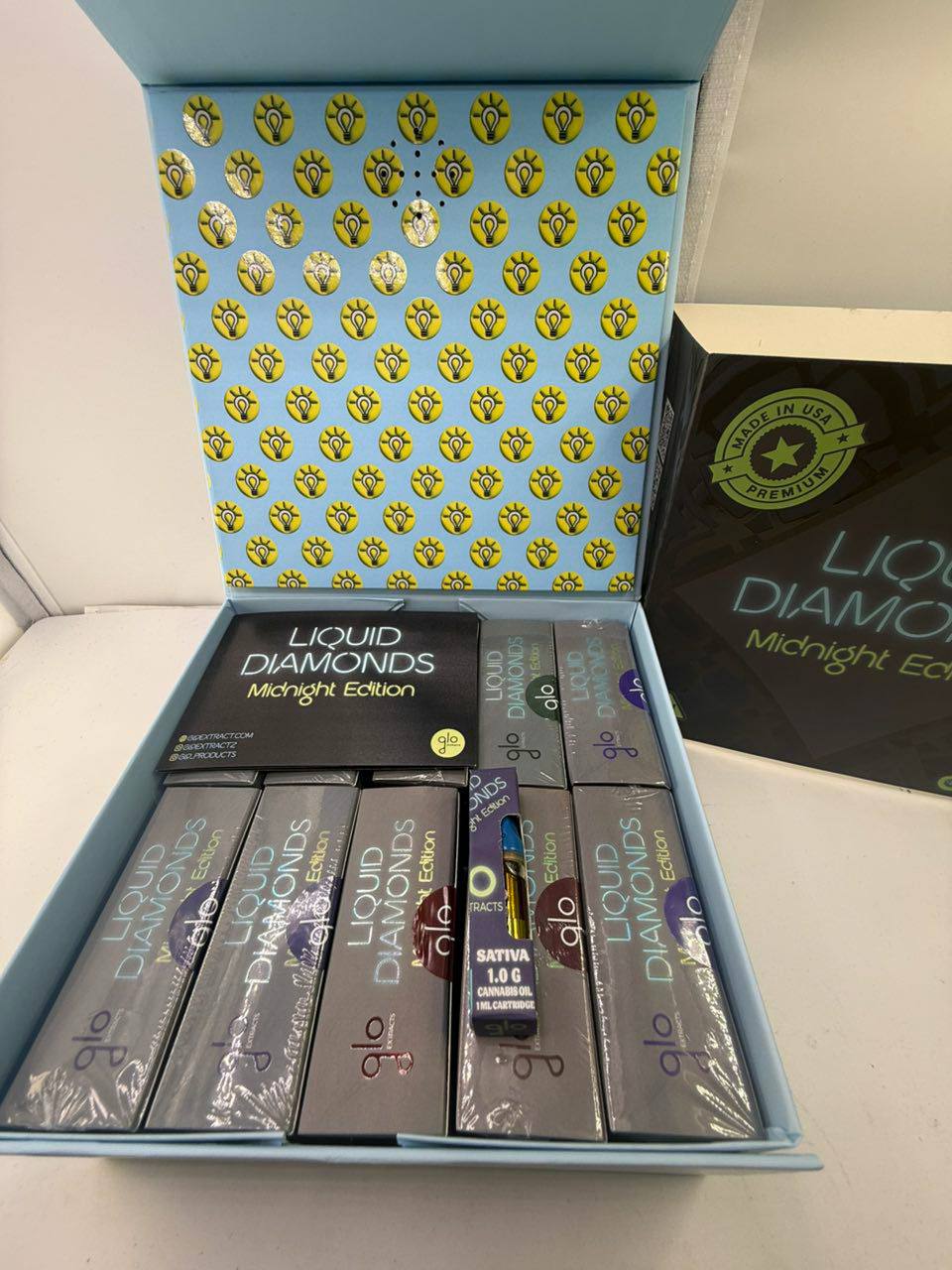

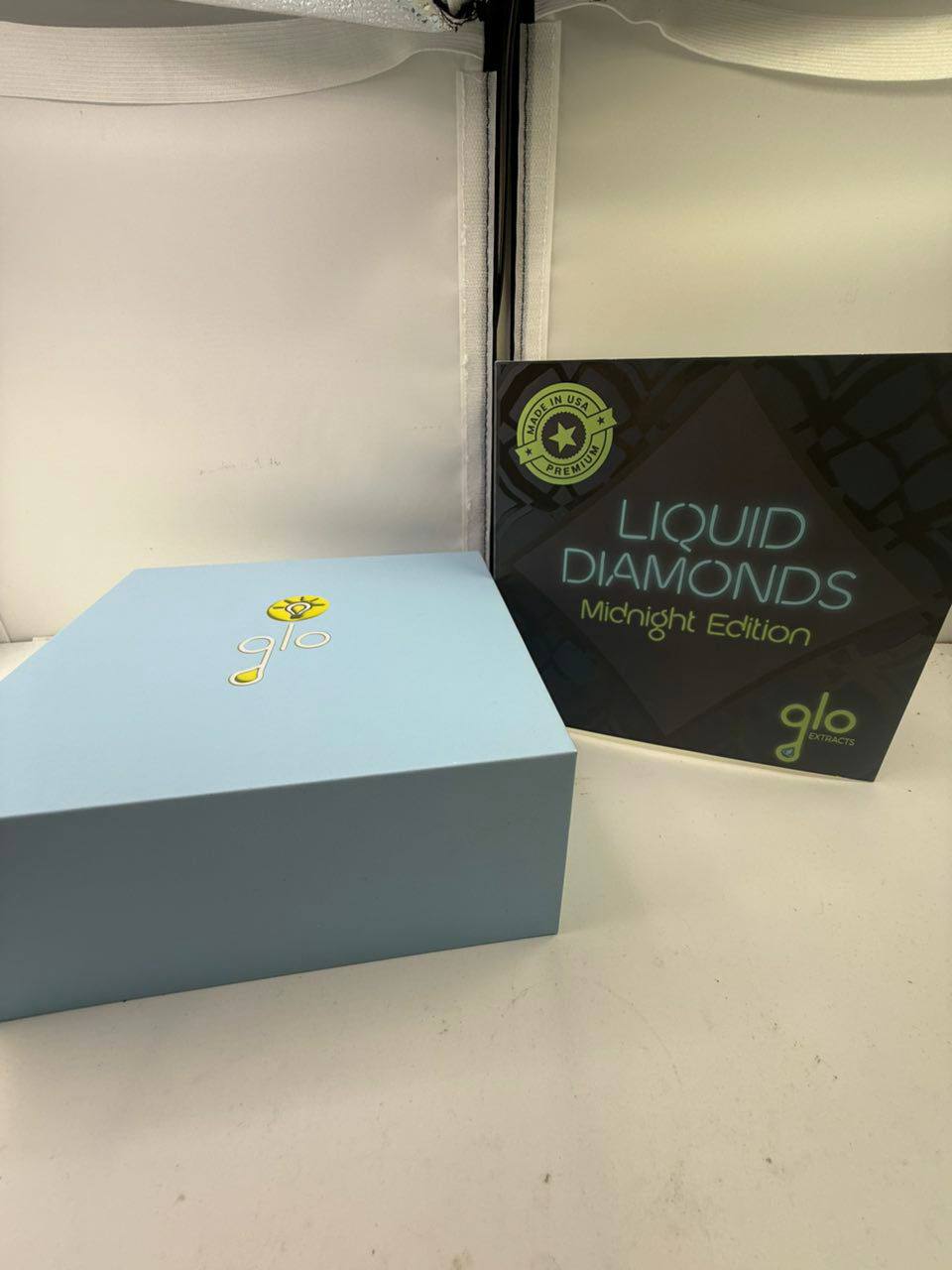
Glo Midnight Edition 1G Disposable – Product Information Overview
The Glo Midnight Edition 1G Disposable is a compact single-use vapor device designed for convenience and portability. It is built for adult users in regions where such products are legally permitted. The device integrates a pre-filled reservoir, an internal battery, and an inhalation-activated system.
Device Structure and Design
The device is manufactured with a lightweight outer shell. It is typically designed to be discreet and pocket-friendly. The internal components are sealed to prevent leakage during handling and storage. Additionally, the mouthpiece is integrated into the upper structure for direct inhalation use.
The housing is engineered to maintain structural stability during normal usage conditions. A transparent or semi-transparent section may be included in some versions to allow approximate monitoring of liquid levels.
Capacity and Internal Components
This disposable unit contains approximately 1 gram of pre-filled liquid. The formulation type varies depending on regulatory region and product classification. The internal battery is non-rechargeable and designed to power the device until the pre-filled content is fully consumed.
Furthermore, the heating element is activated automatically upon inhalation. This removes the need for buttons or manual controls. As a result, operation remains straightforward and minimalistic.
Usage Mechanism
The device operates using an airflow-based activation system. When inhalation occurs, the internal sensor triggers the heating coil. This process converts the liquid into vapor for inhalation.
Because of this mechanism, no maintenance or refilling is required. Once the liquid or battery is depleted, the device is intended for disposal according to local electronic waste regulations.
Portability and Storage
The compact design allows for easy storage in small spaces such as pockets or bags. However, it is recommended to store the device in a cool and dry environment. Exposure to excessive heat or direct sunlight may affect internal stability.
In addition, the device should be kept away from moisture to prevent potential damage to electronic components.

Safety and Handling Information
The Glo Midnight Edition 1G Disposable is intended strictly for adult use where legally permitted. It should be kept out of reach of children and pets. Improper handling may lead to malfunction or reduced performance.
Users are advised to avoid disassembling the device, as it contains sealed electronic and chemical components. Disposal should follow local electronic waste guidelines.
Disposal Guidelines
Once the device is depleted, it should not be discarded with regular household waste. Instead, it is recommended to use designated electronic recycling systems. Proper disposal helps reduce environmental impact and ensures compliance with local regulations.
General Notes
Performance may vary depending on usage frequency and environmental conditions. The device is designed for single-use operation only and cannot be recharged or refilled.

Regulatory and Legal Considerations
Disposable vapor devices such as the Glo Midnight Edition 1G are subject to varying regulations depending on jurisdiction. In many regions, strict controls apply to the sale, distribution, and usage of vaping-related products. Therefore, compliance with local laws is required before purchase or use.
Age restrictions are commonly enforced, and these devices are generally restricted to adult consumers. Additionally, some regions require product registration, ingredient disclosure, or health warnings on packaging.
Because regulations differ widely, users and distributors must verify local legal requirements before handling or selling such products. Failure to comply may result in penalties or product confiscation.
Manufacturing and Quality Control Standards
Manufacturing processes for disposable vape devices typically include multiple quality control stages. Components such as the battery, heating coil, and cartridge are tested for consistency before assembly.
Quality control checks may include:
- Electrical safety testing for battery stability
- Leak resistance testing for liquid containment
- Airflow validation to ensure consistent activation
- Structural integrity checks for housing durability
Furthermore, batch tracking systems are often used to monitor production consistency. These systems allow manufacturers to trace defects or irregularities back to specific production runs.
Although quality control reduces risks, variations in performance can still occur depending on storage conditions and usage patterns.
Performance Characteristics
The performance of a 1G disposable device depends on several technical factors. Battery output consistency, coil resistance, and liquid viscosity all influence vapor production.
In general, vapor output may gradually decrease as the internal battery approaches depletion. Similarly, flavor or output consistency may change near the end of the device lifecycle.
However, no external adjustment is available since the system is fully sealed and non-adjustable. This design prioritizes simplicity over customization.
Troubleshooting Common Issues
Although disposable devices are designed for simplicity, certain issues may occasionally occur during use. The following are general observations:
1. Device not activating
This may result from airflow blockage or internal battery depletion. In some cases, protective seals may still be present and require removal before use.
2. Weak vapor production
Reduced output can occur when the battery is nearing depletion or when the internal liquid level is low.
3. Burnt or dry taste
This may indicate that the heating element is no longer adequately saturated with liquid. Continued use in this condition is not recommended.
4. Leakage issues
Leakage is uncommon in sealed devices but may occur if the device is exposed to heat or physical damage.
Since the device is non-repairable, troubleshooting is limited to usage condition checks rather than mechanical repair.
Storage Recommendations
Proper storage plays a significant role in maintaining device stability. The following conditions are generally recommended:
- Store in a cool environment away from direct sunlight
- Avoid exposure to high humidity or water
- Keep away from open flames or extreme heat sources
- Store upright when possible to reduce internal stress on seals
Improper storage can lead to reduced performance or premature battery depletion.
Environmental Impact Considerations
Disposable vape devices contribute to electronic waste due to their integrated battery systems and sealed construction. As a result, environmental management is an important consideration.
Most devices contain lithium-based batteries, which require specialized recycling processes. Disposing of these devices in general waste streams may contribute to environmental pollution.
Proper disposal methods include:
- Electronic waste recycling programs
- Battery collection points
- Authorized waste management facilities
Responsible disposal helps reduce environmental impact and supports material recovery efforts.
User Handling Guidelines
Although disposable devices are designed for ease of use, basic handling precautions are still necessary. The device should not be disassembled or modified under any circumstances.
Additionally, it should not be exposed to sharp impacts or heavy pressure, as internal components may be damaged. If the device casing is compromised, it should be safely discarded.
Users should also avoid prolonged exposure to extreme temperature conditions, as this may affect internal battery performance.
End-of-Life Indicators
A disposable device is considered at the end of its lifecycle when one or more of the following occurs:
- No vapor production during inhalation
- Significantly reduced output despite normal airflow
- Complete battery depletion
- Noticeable change in operational consistency
Once these indicators appear, continued use is not recommended.
Summary of Technical Profile
The Glo Midnight Edition 1G Disposable can be described as a sealed, single-use vapor device integrating:
- Pre-filled 1 gram liquid reservoir
- Internal non-rechargeable battery
- Airflow-activated heating system
- Compact disposable housing
Its design emphasizes simplicity, portability, and limited maintenance requirements. However, performance and lifespan depend on environmental conditions and usage patterns.
Internal Safety Protections and Design Limitations
The Glo Midnight Edition 1G Disposable typically includes built-in safety protections within its internal circuitry. These protections are designed to reduce the risk of overheating, electrical imbalance, or battery strain during use.
Common safety-oriented design features include:
- Automatic cutoff after prolonged inhalation
- Voltage regulation within a fixed output range
- Short-circuit prevention within the battery module
- Sealed system to prevent user access to internal wiring
Because the device is factory-sealed, no user adjustments are possible. This limitation reduces operational flexibility but increases consistency in standardized production environments.
In most cases, the internal system is engineered to stop functioning once the battery reaches a minimum threshold. This prevents unstable output conditions during low power states.
Material Composition Overview
The external and internal materials are selected to balance cost efficiency, durability, and weight reduction. While exact compositions may vary by manufacturing batch, disposable vapor devices typically include:
- Plastic or polymer-based outer casing
- Metal alloy heating coil
- Lithium-based battery cell
- Silicone or rubber seals for airflow control
Each component serves a specific structural or functional role. The outer shell provides physical protection, while internal seals help maintain airflow integrity and prevent leakage.
Material selection is generally optimized for single-use lifecycle constraints rather than long-term durability.
Airflow System and Activation Sensitivity
The airflow system plays a central role in device operation. It is designed to detect inhalation pressure changes and convert them into activation signals for the heating coil.
Airflow sensitivity is calibrated during manufacturing. If sensitivity is too high, unintended activation may occur. If too low, the device may require stronger inhalation effort.
To maintain balance, manufacturers typically test airflow thresholds under controlled conditions before final packaging.
Over time, airflow resistance may change slightly due to residue buildup or liquid depletion. However, since the system is sealed, no cleaning or adjustment is possible.
Thermal Behavior During Operation
Thermal regulation is a key aspect of disposable vapor device performance. The heating coil is designed to operate within a controlled temperature range to vaporize liquid efficiently.
During activation, the coil temperature rises rapidly, then stabilizes while airflow is maintained. When inhalation stops, the system cools down quickly to prevent overheating.
However, repeated rapid use can gradually increase internal heat accumulation. For this reason, short pauses between inhalations are generally observed in standard usage patterns.
Thermal efficiency may decrease slightly as battery charge diminishes, which can affect vapor density in later stages of use.
Functional Lifecycle Progression
The operational lifecycle of the device typically follows a predictable progression:
- Initial activation phase with full battery output
- Stable mid-use phase with consistent vapor production
- Gradual decline phase as battery and liquid decrease
- End-of-life phase with minimal or no output
Each stage is influenced by frequency of use and environmental exposure. Devices used intermittently may show slower depletion compared to continuous usage patterns.
Once the final phase is reached, the device transitions into a non-functional state and should be disposed of appropriately.
Common Usage Observations
Users may observe certain characteristics during the lifecycle of the device. These observations are generally considered normal within disposable systems:
- Slight variation in vapor output between inhalations
- Gradual reduction in intensity over time
- Changes in airflow resistance near end-of-life
- Reduced activation responsiveness as battery weakens
These behaviors are expected due to the non-rechargeable and non-refillable design structure.
Environmental Exposure Effects
Environmental conditions can influence device stability before and during use. The most significant factors include temperature, humidity, and physical handling.
High temperatures may accelerate battery discharge or affect internal liquid viscosity. Low temperatures may temporarily reduce vapor production efficiency.
Humidity exposure can impact electronic contacts if the device casing is compromised. However, under normal sealed conditions, the internal system is designed to remain protected.
Transport and Storage Stability
During transport, devices are typically stored in protective packaging to minimize movement and impact. This helps maintain structural integrity and prevents accidental activation.
Recommended storage practices include:
- Keeping devices in original packaging until use
- Avoiding prolonged exposure to heat sources
- Preventing heavy pressure or crushing forces
- Storing away from direct sunlight
These measures help maintain consistency between manufacturing and end-user conditions.
Waste Management and Recycling Considerations
Disposable vapor devices contribute to electronic waste streams due to embedded battery systems and mixed materials. Proper waste management is necessary to reduce environmental impact.
In most regions, these devices fall under electronic waste regulations. Recycling programs may separate components such as:
- Battery cells for metal recovery
- Plastic casing for material reuse
- Metal elements for industrial recycling
Improper disposal may lead to environmental contamination due to battery chemical content.
Product Identification and Batch Variability
Manufacturing batches may introduce minor variations in appearance or performance. These differences can include:
- Slight casing color variations
- Minor airflow resistance differences
- Packaging label updates
- Firmware or coil calibration adjustments
Batch tracking systems are often used to identify production runs in case of quality control reviews or recalls.
End-of-Life Handling Recommendations
When the device reaches the end of its usable lifecycle, safe handling is recommended. The following practices are commonly advised:
- Confirm device is fully depleted before disposal
- Avoid attempting to recharge or modify
- Store separately from general waste until disposal
- Use designated recycling systems where available
These steps help ensure safer handling of lithium-based components.
Summary of Functional Characteristics
The Glo Midnight Edition 1G Disposable is characterized by a sealed and simplified operational design. It integrates a fixed-capacity liquid reservoir, a non-rechargeable battery system, and an airflow-activated heating mechanism.
Its lifecycle is predetermined by internal component limits rather than user adjustment. As a result, usage is defined by consumption patterns and battery discharge rates.
The device is intended for single-use operation and does not support maintenance, modification, or refilling.
Electrical System Architecture
The internal electrical system of the Glo Midnight Edition 1G Disposable is designed around a compact low-voltage circuit. This circuit connects the battery cell, airflow sensor, and heating coil in a closed-loop configuration.
When inhalation is detected, the sensor sends a signal to the control chip. The chip then activates the power delivery pathway to the coil. This process occurs within milliseconds, allowing near-instant vapor generation.
The circuit is typically optimized for single-voltage output. Therefore, no user-controlled power modes or adjustments are included in the system design. This simplifies operation while reducing variability in performance.
To maintain stability, the electrical system is calibrated during manufacturing under controlled conditions. Once sealed, no further calibration is possible.
Battery Performance and Discharge Behavior
The internal battery is a non-rechargeable lithium-based cell. Its capacity is matched to the estimated liquid volume within the reservoir.
Battery performance follows a gradual discharge curve:
- Initial stage: full output with stable voltage delivery
- Mid stage: consistent performance with slight voltage decline
- Late stage: reduced output and slower coil heating response
- Final stage: insufficient voltage to sustain vapor production
Battery depletion is irreversible, and no external charging interface is provided.
Temperature conditions may influence discharge speed. Higher temperatures can accelerate depletion, while lower temperatures may temporarily reduce output efficiency.
Coil Heating Efficiency and Residue Formation
The heating coil is responsible for converting liquid into vapor through resistive heating. Coil efficiency depends on consistent liquid saturation and stable electrical input.
Over time, minor residue buildup may occur on the coil surface. This buildup is a natural byproduct of repeated heating cycles and liquid vaporization.
As residue increases, coil efficiency may gradually decrease, leading to:
- Slight reduction in vapor density
- Delayed heating response
- Minor changes in output consistency
Since the system is sealed and non-serviceable, coil cleaning or replacement is not possible.
Air Pressure Calibration and User Interaction
The airflow system is calibrated to respond to a defined range of inhalation pressure. This ensures consistent activation across different usage styles.
If airflow is too weak, activation may not occur. If airflow is excessively strong, the system may activate more rapidly but still remains within safety-controlled limits.
Because the device is pre-calibrated, user interaction is limited to inhalation control only. No manual configuration or adjustments are available.
Packaging and Pre-Use Condition
The device is typically sealed in protective packaging prior to distribution. Packaging serves multiple functions:
- Prevents accidental activation during transport
- Protects against dust and moisture exposure
- Maintains product integrity before first use
- Provides labeling and regulatory information
In many cases, tamper-evident seals are included to indicate whether the product has been previously opened.
Before use, users are generally advised to inspect packaging integrity. Any visible damage to packaging may indicate compromised storage conditions.
Temperature Sensitivity During Operation
Device performance is influenced by ambient temperature conditions. Under moderate temperatures, the device operates within expected parameters.
In colder environments, liquid viscosity may increase slightly, which can reduce vapor output temporarily. In warmer environments, liquid may become less dense, potentially affecting vapor consistency.
These variations are generally temporary and stabilize once the device returns to standard environmental conditions.
Extended exposure to extreme temperatures is not recommended, as it may impact both battery and liquid stability.
Structural Integrity and Impact Resistance
The outer casing is designed to provide basic impact resistance during normal handling. However, it is not engineered for heavy mechanical stress or repeated drops.
Physical damage may result in:
- Airflow disruption
- Internal battery misalignment
- Liquid leakage in severe cases
- Complete device failure
Once structural integrity is compromised, continued use is not recommended.
Chemical Containment and Seal Reliability
The internal reservoir is sealed to prevent leakage under standard conditions. Multiple sealing points are used in manufacturing to ensure containment stability.
These seals are designed to withstand normal temperature and pressure variations. However, extreme environmental stress or physical damage may reduce seal effectiveness.
If leakage occurs, the device should be handled carefully and disposed of through appropriate electronic waste channels.
Functional Consistency Across Usage Cycle
Throughout the operational lifespan, the device is intended to maintain relatively consistent performance. However, gradual changes occur naturally due to component depletion.
Consistency is influenced by:
- Battery voltage stability
- Coil condition over time
- Liquid level reduction
- Airflow pathway cleanliness (internal only)
Because the system is closed, these changes cannot be adjusted or corrected during use.
Manufacturing Variation Factors
Even within the same product line, minor differences may occur due to manufacturing tolerances. These variations are generally within acceptable quality control limits.
Examples include:
- Slight differences in activation sensitivity
- Minor variation in vapor density perception
- Cosmetic differences in casing finish
- Batch-specific coil resistance adjustments
Such differences are common in mass-produced disposable electronic devices.
End-of-Life Functional Transition
As the device reaches depletion, its transition into non-functional status is gradual. This phase may include:
- Reduced vapor output
- Increased effort required for activation
- Irregular heating response
- Eventual complete inactivity
Once these indicators are consistently observed, the device has reached the end of its usable lifecycle.
At this stage, disposal is the only appropriate next step.
Consolidated Technical Summary
The Glo Midnight Edition 1G Disposable operates as a sealed, single-use vapor system combining three core subsystems:
- A pre-filled liquid reservoir
- A lithium-based non-rechargeable battery
- An airflow-activated heating mechanism
These components function together in a closed environment with no user serviceability.
The device is designed for simplicity and predefined lifecycle operation. Its performance gradually decreases as internal resources are consumed, ultimately resulting in complete deactivation.


Reviews
There are no reviews yet.