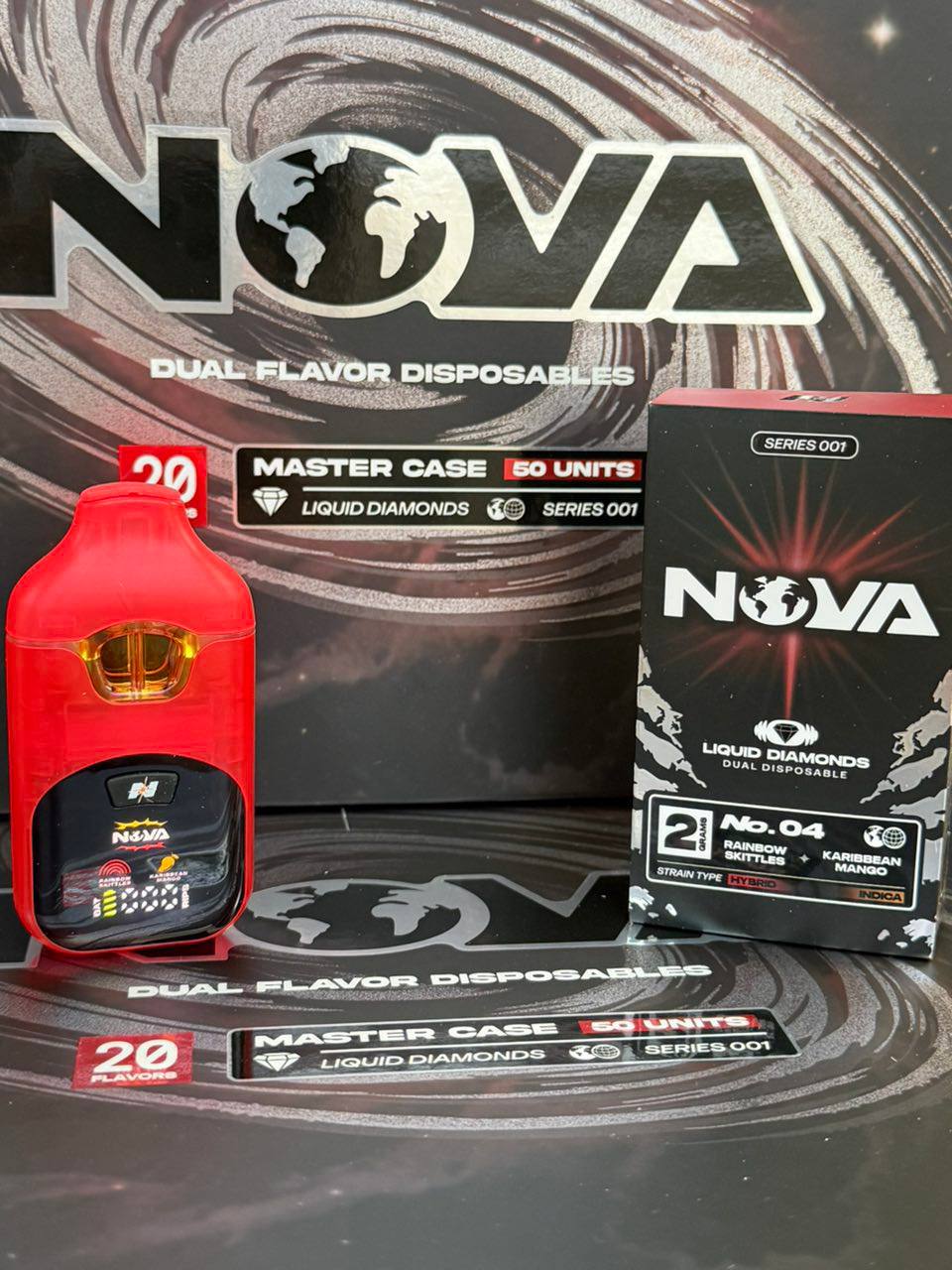
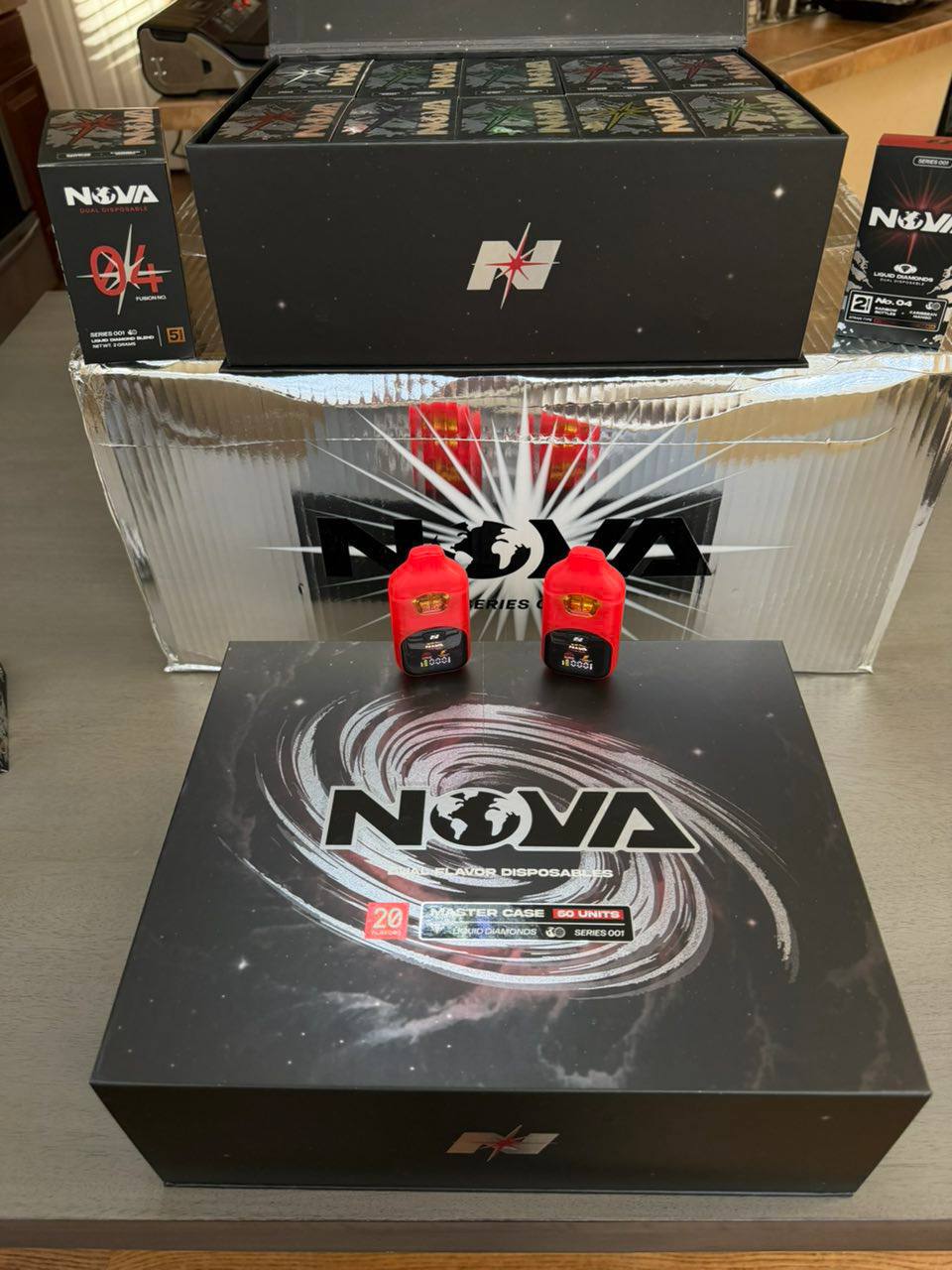
Kova 2G Disposable Dual Chamber: Informational Product Overview
The Kova 2G Disposable Dual Chamber is a portable vaporization device that incorporates two separate chambers within a single unit. The dual-chamber configuration allows the device to contain distinct formulations in isolated compartments, depending on the manufacturer’s specifications and intended design.
Unlike traditional single-chamber disposable devices, a dual-chamber system provides additional flexibility in how the device operates. Some models may allow users to alternate between chambers, while others may support combined operation. Features and functionality vary according to the specific version and manufacturer documentation.

Design and Construction
The device is designed as an all-in-one unit that combines the battery, heating components, airflow system, and chambers into a compact housing. This integrated approach reduces the number of separate parts and creates a streamlined form factor.
Many disposable vaporization devices prioritize portability. As a result, the Kova 2G Disposable Dual Chamber is generally compact enough for storage in a pocket, bag, or small carrying case. The lightweight structure can contribute to convenient transportation and handling.
Dual-Chamber Configuration
One of the defining characteristics of the device is its dual-chamber architecture. Each chamber remains physically separated from the other, allowing different contents to be stored independently. This design distinguishes dual-chamber devices from conventional single-reservoir systems.
Depending on the manufacturer’s design, users may have access to multiple operating modes. These can include chamber selection, alternating functionality, or combined usage. Available options depend entirely on the specific model.
Battery Performance
Most modern disposable vaporization devices incorporate rechargeable battery technology. Rechargeable systems help extend device usability and support consistent operation throughout the product’s lifespan.
Battery performance may vary according to several factors, including operating conditions, charging practices, chamber selection, and frequency of use. Users should consult manufacturer guidelines for charging recommendations and safety information.
Airflow and Operation
Disposable vaporization devices commonly feature simplified operation. Some models utilize draw-activated technology, while others incorporate buttons or additional controls. Airflow design can influence vapor production, resistance, and overall device performance.
The dual-chamber structure may introduce additional operational flexibility compared with standard disposable formats. However, exact functionality depends on the product version and manufacturer specifications.
Portability and Convenience
A key characteristic of disposable vaporization devices is convenience. Integrated components reduce the need for cartridge replacement or extensive setup procedures. This design can simplify transportation, storage, and everyday handling.
The compact format also minimizes the number of accessories required for operation. In many cases, users only need access to an appropriate charging solution if the device includes rechargeable functionality.
Materials and Components
Manufacturers typically construct disposable vaporization devices using a combination of metals, plastics, electronic components, and heating elements. Material selection varies among brands and production models.
Consumers should review official product documentation for information regarding construction materials, safety testing, compliance standards, and operational guidelines.
Storage Recommendations
Proper storage can help maintain device performance and longevity. General recommendations include:
- Store the device in a cool, dry location.
- Avoid prolonged exposure to direct sunlight.
- Keep the product away from excessive heat.
- Follow manufacturer instructions regarding charging and handling.
- Protect the device from physical damage and moisture.
Safety Considerations
Users should always follow applicable laws, regulations, and manufacturer instructions. Devices should be kept out of reach of children and pets. Responsible handling and storage practices contribute to safe operation and product maintenance.
Product specifications, features, and availability may vary by region and manufacturer. Consumers should refer to official documentation for the most accurate and current information.

Summary
The Kova 2G Disposable Dual Chamber is a portable vaporization device that features a dual-chamber design within a compact disposable format. Its integrated construction, rechargeable battery system, and chamber separation distinguish it from traditional single-chamber devices. While features vary by model, the device represents a design approach focused on portability, convenience, and flexible operation.
Understanding Dual-Chamber Device Technology
Dual-chamber vaporization devices represent a distinct category within the broader vaporization hardware market. Instead of relying on a single reservoir, these devices separate contents into two individual chambers. This structural difference creates opportunities for varied operating modes depending on the engineering approach used by the manufacturer.
In many designs, each chamber contains its own pathway that directs material toward the heating system. As a result, the contents remain isolated until activation occurs. The separation helps preserve the characteristics of each chamber and prevents unintended mixing during storage.
Manufacturers may implement different mechanisms for chamber selection. Some designs use a switch or selector, while others rely on electronic controls. In certain cases, automated systems manage chamber operation internally. The exact implementation varies significantly among products.
Compact Form Factor
Portability remains an important consideration for many modern vaporization devices. The compact dimensions associated with disposable units allow them to fit easily into everyday carrying environments. Consequently, users can transport the device without requiring additional storage solutions.
The Kova 2G Disposable Dual Chamber follows the broader trend toward integrated designs. The battery, chambers, airflow system, and heating components exist within a unified housing. Therefore, the device does not require assembly before use.
Compact construction also influences durability. Manufacturers often design the outer shell to protect internal components from routine handling. However, the degree of protection varies according to materials and construction methods.
Rechargeable Battery Systems
Battery technology plays a central role in device operation. Modern rechargeable systems provide power for heating elements and electronic controls. Furthermore, rechargeable batteries can help maintain consistent functionality throughout the intended lifespan of the device.
Charging methods vary among manufacturers. Many contemporary devices utilize USB-C connectivity because of its widespread compatibility and convenience. Nevertheless, charging specifications differ between models.
Users should always follow official charging recommendations. Appropriate charging practices can support battery longevity and reduce unnecessary wear on electronic components. In addition, adherence to manufacturer instructions contributes to safe operation.
Airflow Design Considerations
Airflow systems influence how a vaporization device performs during operation. Engineers often balance airflow resistance, heating efficiency, and device size when developing new products.
A carefully designed airflow pathway can contribute to consistent performance. Meanwhile, chamber configuration may affect how air moves through the device. Dual-chamber systems sometimes require additional engineering considerations because airflow must interact with multiple internal pathways.
Airflow characteristics differ among products. Therefore, operational experiences can vary depending on the specific design and manufacturing approach.
Manufacturing and Quality Control
Quality control procedures help manufacturers evaluate device consistency before distribution. Testing protocols may examine battery functionality, chamber integrity, airflow performance, and charging systems.
Manufacturing standards differ between companies and regions. Consequently, consumers should review available product documentation and compliance information when evaluating any vaporization device.
Many manufacturers conduct inspections at multiple stages of production. These assessments can identify potential issues before products reach distribution channels. As a result, quality control remains an important aspect of device manufacturing.
Device Maintenance Considerations
Disposable devices generally require less maintenance than refillable alternatives. Since the components are integrated into a single unit, users do not typically need to replace chambers or perform extensive cleaning procedures.
Even so, proper handling remains important. Keeping the device free from excessive moisture, dust, and physical damage can support consistent performance. Additionally, careful storage practices may help preserve overall functionality.
Users should avoid attempting unauthorized modifications. Altering electronic components or internal systems may affect performance and safety.
Storage Environment and Longevity
Environmental conditions can influence the performance of electronic devices. Temperature extremes, direct sunlight, and excessive humidity may affect batteries and other internal components.
For this reason, manufacturers commonly recommend storage in cool, dry environments. Stable storage conditions can help protect electronic systems and maintain device integrity during periods of non-use.
Transportation conditions also matter. Devices should be protected from crushing forces, punctures, and other forms of physical impact whenever possible.
Consumer Awareness
Consumers benefit from understanding product specifications before purchasing or using any vaporization device. Reading manufacturer materials, reviewing safety information, and following operational instructions can provide valuable insight into device functionality.
Product features may change between manufacturing runs or model generations. Therefore, official documentation remains the most reliable source of information regarding specifications and capabilities.
Understanding local regulations is equally important. Laws governing vaporization devices and related products vary by jurisdiction. Users should familiarize themselves with applicable requirements in their region.
Conclusion
The Kova 2G Disposable Dual Chamber is an example of a dual-chamber vaporization device that combines multiple internal systems within a compact format. Its design emphasizes chamber separation, integrated construction, rechargeable power, and portable dimensions. While individual specifications vary by manufacturer and model, the device reflects broader trends in vaporization hardware development, including multifunctional designs, compact engineering, and simplified operation.
As with any electronic device, users should consult official manufacturer documentation for the most accurate information regarding functionality, safety, maintenance, and compliance requirements.
Evolution of Disposable Vaporization Devices
Disposable vaporization devices have undergone significant development over the past decade. Early models often focused on simple functionality, compact dimensions, and limited operating features. Over time, manufacturers introduced new engineering approaches that expanded device capabilities while maintaining portability.
One notable advancement has been the integration of multiple components into a single housing. Batteries, airflow systems, chambers, and electronic controls are now commonly housed within compact enclosures. Consequently, devices can offer more functionality without substantially increasing size.
The introduction of dual-chamber systems reflects this trend toward increased versatility. Rather than relying on a single internal reservoir, manufacturers developed designs that accommodate separate chambers within one device. This approach demonstrates how engineering priorities continue to evolve in response to changing market expectations.
Internal Component Integration
Modern disposable devices contain several interconnected systems that work together during operation. The battery provides power, the heating element generates heat, and the airflow pathway directs air through the device. Electronic controls may also regulate performance depending on the design.
In dual-chamber configurations, manufacturers must account for additional internal complexity. Separate chambers require carefully designed pathways and component placement. Therefore, efficient use of internal space becomes an important engineering consideration.
The arrangement of these components influences overall device dimensions, weight distribution, and operational characteristics. As a result, internal architecture plays a major role in product development.
Heating System Fundamentals
Heating systems represent one of the most important functional elements in any vaporization device. Different manufacturers employ varying technologies, materials, and engineering approaches when designing these components.
The heating element converts electrical energy from the battery into heat. Subsequently, this heat interacts with the material contained within the chamber. Performance characteristics depend on factors such as power delivery, airflow management, and overall device design.
Engineers often seek a balance between efficiency, consistency, and reliability. Consequently, heating systems continue to evolve alongside advancements in battery technology and electronic controls.
User Interface Design
Device usability frequently depends on interface design. Some disposable products emphasize simplicity by utilizing draw-activated operation. Others incorporate buttons, switches, or indicator lights that communicate operational status.
Dual-chamber devices may require additional controls to manage chamber selection or operating modes. Therefore, interface design becomes particularly important in ensuring intuitive functionality.
Manufacturers typically aim to create systems that are straightforward to understand while still providing access to available features. Effective interface design can contribute to a more predictable operating experience.
Portability in Everyday Environments
Portability remains one of the defining characteristics of disposable vaporization devices. Compact dimensions allow devices to be stored conveniently in a variety of everyday settings. Furthermore, integrated construction minimizes the need for additional accessories.
Weight considerations also influence portability. Manufacturers often select materials and internal layouts that help maintain manageable overall weight. As a result, devices can remain relatively easy to transport despite incorporating multiple internal systems.
The balance between portability and functionality continues to shape design decisions throughout the industry.
Battery Safety Awareness
Rechargeable batteries require appropriate handling and storage. Users should always follow manufacturer recommendations regarding charging procedures, operating temperatures, and storage conditions.
Exposure to excessive heat may affect battery performance. Similarly, physical damage can compromise internal components. Therefore, careful handling contributes to safe device operation.
Many manufacturers include protective circuitry designed to support battery management. Even so, adherence to official instructions remains important throughout the product lifecycle.
Product Documentation
Product documentation provides valuable information regarding specifications, safety recommendations, and operating guidelines. Consumers should review available materials before using any electronic device.
Documentation may include details related to:
- Battery specifications
- Charging requirements
- Storage recommendations
- Operating instructions
- Safety notices
- Compliance information
Because product features can vary between models, manufacturer documentation serves as the primary reference source for accurate information.
Environmental Considerations
Disposable electronic devices contain batteries, circuitry, and other components that may require specialized disposal methods. Local regulations often provide guidance regarding electronic waste management.
Consumers should consult regional requirements concerning recycling and disposal practices. Proper disposal can help reduce environmental impact while supporting responsible management of electronic materials.
Many jurisdictions maintain designated collection programs for batteries and small electronic devices. Consequently, users may have access to appropriate recycling options within their communities.
Future Development Trends
The vaporization hardware sector continues to experience technological development. Manufacturers regularly explore improvements in battery efficiency, device miniaturization, airflow engineering, and electronic controls.
Dual-chamber systems represent one example of how product designs have evolved beyond traditional single-chamber formats. Future innovations may further expand functionality while maintaining compact form factors.
Advancements in materials science, battery technology, and manufacturing processes are likely to influence future device designs. Therefore, the category may continue to evolve as new technologies become available.
Final Overview
The Kova 2G Disposable Dual Chamber illustrates a design approach centered on integrating multiple functional systems into a portable device. Its dual-chamber architecture differentiates it from conventional single-chamber models and highlights ongoing innovation within vaporization hardware design.
Although specifications differ among manufacturers and production versions, the device reflects broader industry trends that emphasize compact construction, rechargeable power systems, integrated components, and flexible operational configurations. Users should always refer to official manufacturer documentation for the most accurate and current information regarding features, specifications, safety guidance, and regulatory compliance.
Design Philosophy Behind Dual-Chamber Devices
Product designers often seek ways to increase functionality without significantly increasing device size. Dual-chamber technology emerged as one response to that challenge. By incorporating two separate chambers into a single housing, manufacturers can introduce additional operational flexibility while maintaining a compact profile.
This design philosophy focuses on efficient space utilization. Internal components must be arranged carefully to accommodate separate chambers, airflow pathways, electronic controls, and power systems. Consequently, dual-chamber products often require more complex engineering than comparable single-chamber devices.
The goal of this approach is not necessarily to increase device dimensions. Instead, designers frequently prioritize maximizing available internal space while preserving portability and ease of handling.
Structural Components
A typical dual-chamber disposable device contains several primary structural elements:
Outer Housing
The housing serves as the protective shell surrounding internal components. It helps shield sensitive electronics and chambers from routine handling and environmental exposure.
Manufacturers may use different materials depending on design priorities. Material selection can influence weight, durability, and overall appearance.
Chamber Assembly
The chamber assembly forms the core storage area within the device. In dual-chamber systems, each compartment remains physically separated from the other. This separation supports independent containment and helps maintain chamber distinction throughout the device lifecycle.
Airflow Channels
Airflow channels direct air through the device during operation. Engineers carefully design these pathways to support consistent airflow characteristics and efficient system performance.
Electronic Components
Electronic components may include sensors, charging circuitry, power management systems, and protective mechanisms. Together, these elements help regulate device operation and battery performance.
Product Development Process
The creation of a modern vaporization device typically involves multiple development stages. Engineers, designers, and manufacturing specialists collaborate throughout the process to refine performance, reliability, and usability.
Development may begin with conceptual design work. During this phase, teams evaluate potential configurations, component layouts, and feature sets. Subsequently, prototype models undergo testing and revision.
Performance assessments often examine battery functionality, airflow behavior, charging performance, and structural integrity. Findings from these evaluations can guide further improvements before large-scale production begins.
Manufacturing Precision
Manufacturing precision plays a significant role in device consistency. Even minor variations in component placement can influence airflow characteristics and operational performance.
For this reason, production facilities frequently employ standardized assembly procedures and inspection processes. Quality assurance measures may occur at several stages throughout manufacturing.
Automated production systems are commonly used to support repeatability and efficiency. Nevertheless, human oversight remains important for monitoring production quality and addressing potential issues.
Operational Consistency
Consistency is a common objective in electronic device design. Manufacturers typically seek predictable performance across production batches and operating conditions.
Several factors can influence consistency, including:
- Component quality
- Manufacturing precision
- Battery performance
- Airflow design
- Environmental conditions
Because multiple variables interact during operation, manufacturers often conduct extensive testing to evaluate performance under different circumstances.
Importance of Proper Handling
Proper handling contributes to device longevity and reliability. While disposable devices are designed for convenience, they still contain sensitive electronic components that can be affected by misuse or environmental exposure.
Users can support device preservation by:
- Avoiding excessive heat exposure
- Preventing physical damage
- Following charging recommendations
- Storing the device appropriately
- Keeping the unit dry
These practices help protect internal systems and reduce unnecessary stress on electronic components.
Transportation Considerations
Portable electronic devices frequently accompany users during travel and daily activities. Therefore, transportation conditions can affect product condition over time.
Protective storage may help reduce exposure to impacts, pressure, and environmental factors. Additionally, users should remain aware of transportation regulations that may apply to electronic devices and rechargeable batteries.
Specific requirements can vary between regions, transportation providers, and regulatory authorities.
Product Identification and Verification
Manufacturers often include identifying information on product packaging and device labels. Such information may assist consumers in confirming product details and reviewing applicable documentation.
Identification markings can include:
- Product name
- Batch information
- Manufacturing details
- Compliance markings
- Safety notices
Consumers should consult official manufacturer resources whenever product verification is necessary.
Consumer Education
Consumer education remains an important aspect of responsible product use. Understanding device specifications, operational limitations, and safety considerations can help users make informed decisions.
Educational materials may be provided through packaging, printed documentation, or manufacturer resources. These materials often explain operating procedures, maintenance recommendations, and disposal guidance.
Because products evolve over time, updated documentation may contain information that differs from earlier versions. Therefore, reviewing the most recent materials is advisable whenever available.
Closing Perspective
The Kova 2G Disposable Dual Chamber represents a category of portable vaporization hardware that incorporates multiple internal systems within a compact structure. Its dual-chamber architecture, integrated design, rechargeable power source, and portable dimensions reflect broader trends in modern electronic device development.
From engineering and manufacturing perspectives, such devices illustrate how manufacturers balance functionality, portability, and system integration. As technology continues to advance, future product designs may introduce additional innovations while maintaining the core principles of compact construction and operational efficiency.
For the most accurate specifications, safety information, and product details, consumers should always refer to official manufacturer documentation and applicable regulatory guidance.




Reviews
There are no reviews yet.