Penis Envy Mushrooms: Educational Overview
Penis Envy mushrooms are a well-known variety associated with the species Psilocybe cubensis. They are recognized within mycology communities for their distinctive appearance, which differs from many other cultivated varieties of the same species. The strain typically features thick stems, compact caps, and a unique growth pattern that has contributed to its popularity among mushroom enthusiasts and researchers interested in fungal genetics and cultivation history.
The origins of Penis Envy mushrooms remain the subject of discussion within the mycology community. Various accounts have circulated regarding their development and preservation over time. Although specific historical details are often debated, the variety has become one of the most widely recognized names in discussions of Psilocybe cubensis genetics.
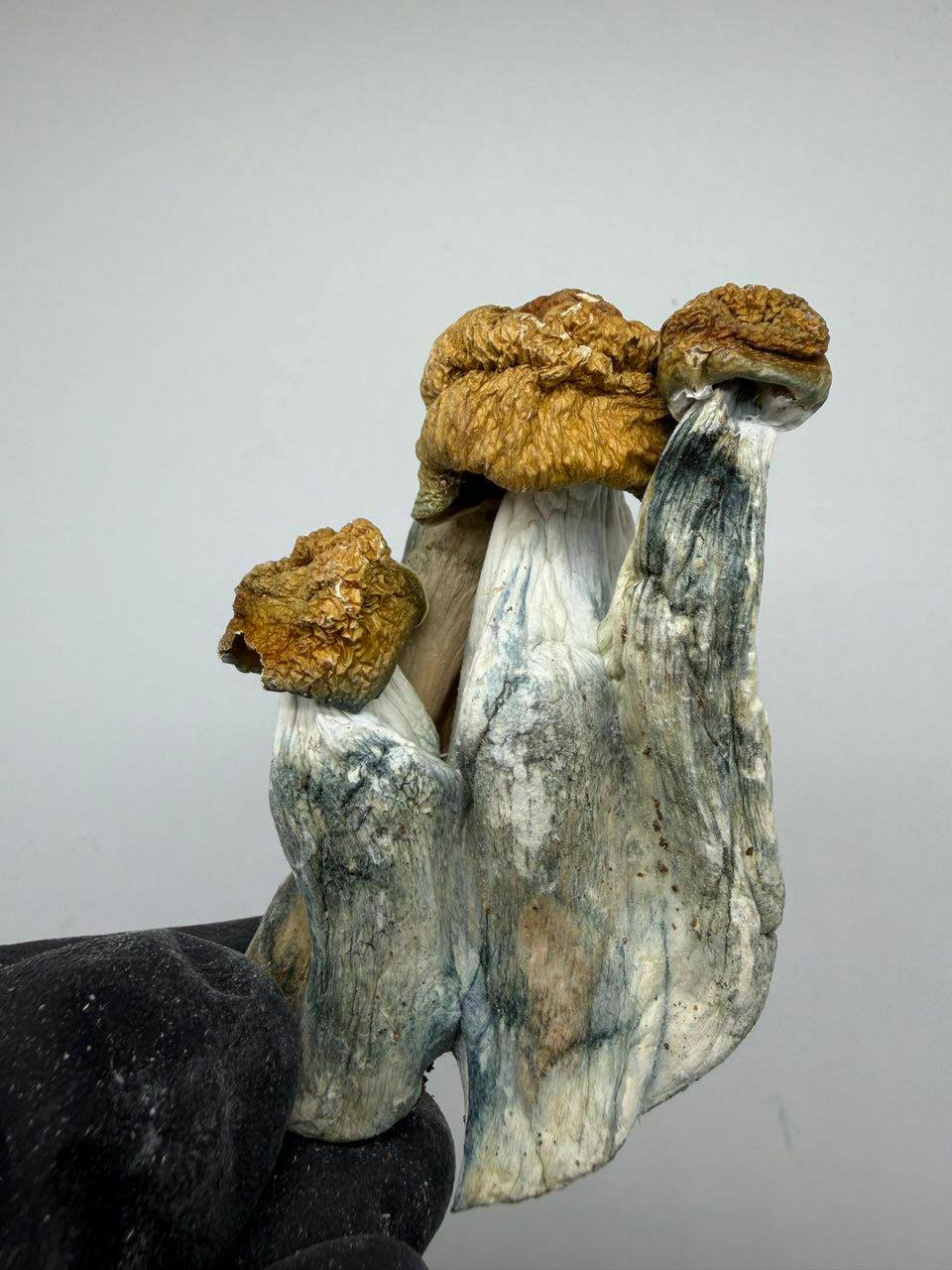
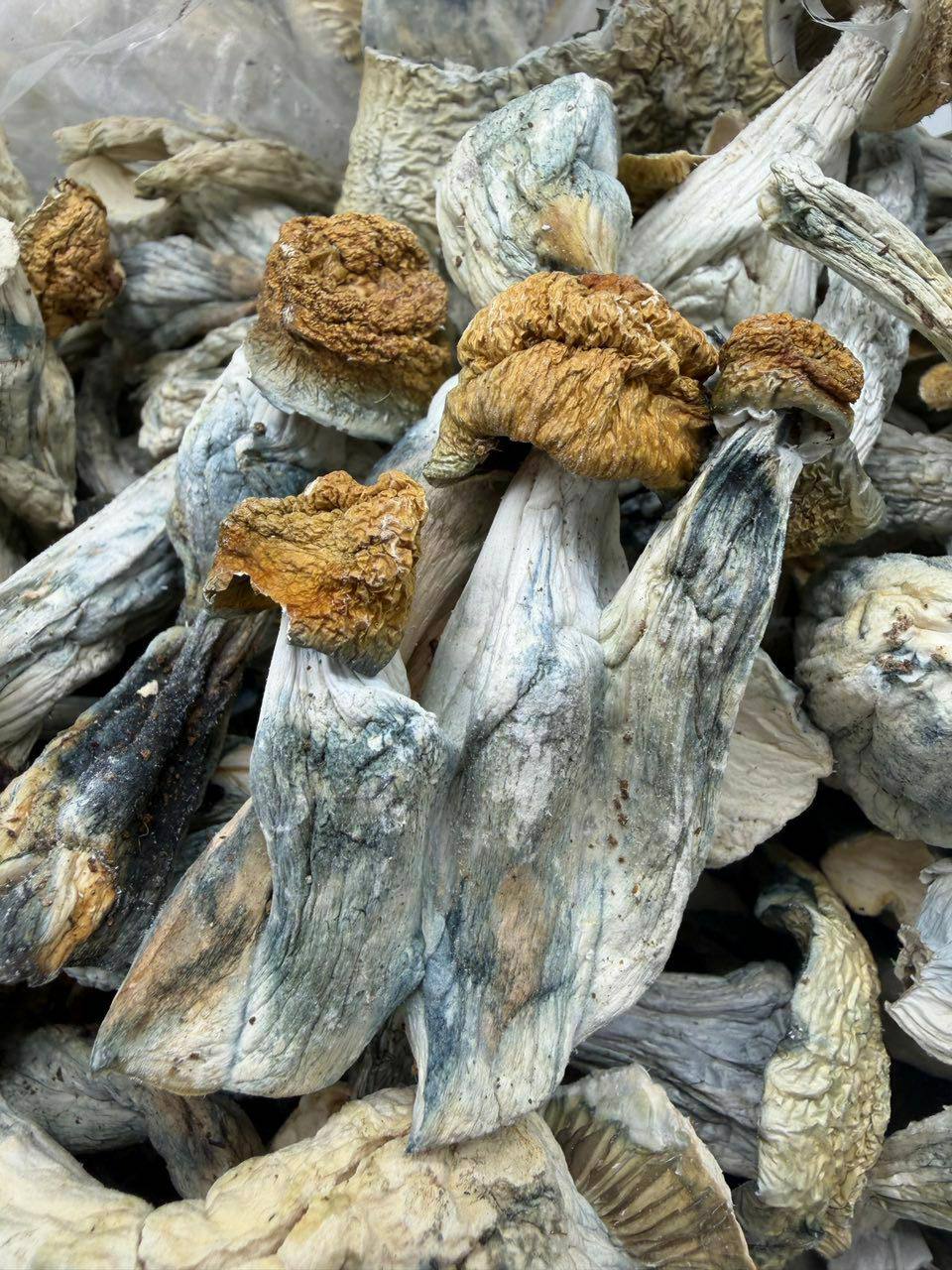
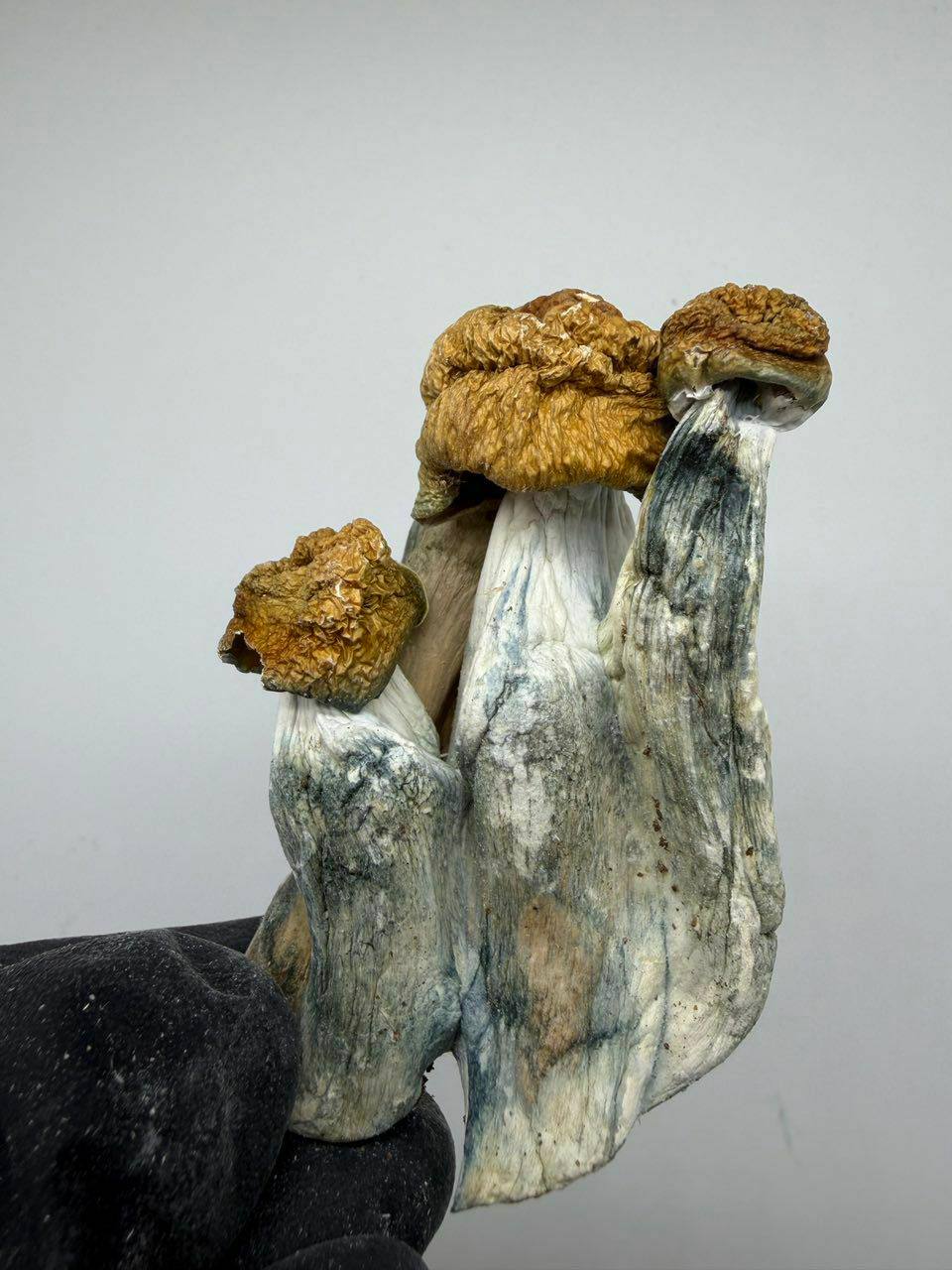
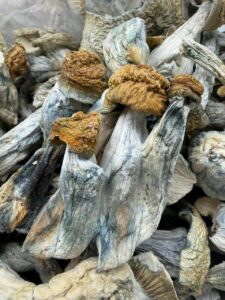
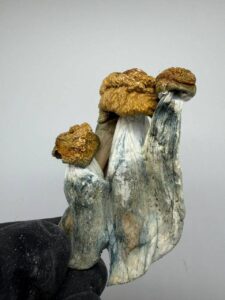
From a physical perspective, Penis Envy mushrooms often display a dense structure. Their stems are usually thicker than those of many other Psilocybe cubensis varieties, while the caps may remain relatively small and rounded. These visual characteristics make the strain relatively easy to identify when compared with more traditional cubensis varieties.
Cultivators frequently discuss the unique growth characteristics of Penis Envy mushrooms. Some reports suggest that cultivation may require additional patience because growth patterns can differ from those of other cubensis strains. Environmental factors such as temperature, humidity, substrate composition, and air exchange continue to influence development regardless of the specific variety being cultivated.
Research involving psilocybin-containing mushrooms has expanded in recent years. Scientists have explored potential applications of psychedelic compounds in controlled clinical settings. However, research remains ongoing, and regulations vary significantly across different countries and jurisdictions.
Legal status differs around the world. In many regions, cultivation, possession, distribution, or consumption of psilocybin-containing mushrooms remains restricted or prohibited. Anyone seeking information about these fungi should consult applicable local laws and regulations before engaging in activities related to them.
Proper identification is essential when studying wild mushrooms. Numerous species can appear similar to one another, and misidentification may present serious health risks. For this reason, accurate identification methods, expert guidance, and reliable educational resources remain important components of responsible mycological study.
Today, Penis Envy mushrooms continue to attract attention because of their distinctive appearance, cultivation characteristics, and place within discussions of Psilocybe cubensis varieties. Their reputation within mycology circles has made them one of the most frequently referenced strains in educational materials covering mushroom taxonomy, cultivation history, and fungal diversity.
Taxonomy and Biological Classification
Penis Envy mushrooms belong to the species Psilocybe cubensis, one of the most widely studied and recognized species within the genus Psilocybe. This species occurs naturally in various tropical and subtropical environments and has attracted significant attention from both amateur and professional mycologists.
Like other fungi, Psilocybe cubensis reproduces through spores. These microscopic reproductive structures allow the organism to spread and establish new colonies when environmental conditions become favorable. The fungal life cycle begins when compatible spores germinate and produce thread-like structures known as hyphae. As these hyphae grow and merge, they form a network called mycelium.
Mycelium serves as the primary vegetative structure of the fungus. It spreads through organic material, breaking down nutrients and supporting future mushroom development. When environmental factors align, the mycelium can produce fruiting bodies, which are the visible mushrooms observed above the substrate surface.
The Penis Envy variety has become notable because its physical appearance often differs from many other Psilocybe cubensis varieties. While all cubensis strains share fundamental biological characteristics, subtle genetic differences can influence morphology, growth rates, and fruiting patterns.
Morphological Characteristics
One of the most discussed features of Penis Envy mushrooms is their distinctive shape. Compared with many cubensis varieties, they often display thicker stems and more compact caps. These traits have contributed significantly to the strain’s widespread recognition.
Morphology can vary based on environmental conditions. Temperature fluctuations, humidity levels, substrate quality, and cultivation techniques may all influence the final appearance of mature mushrooms. Consequently, specimens from the same genetic lineage may still exhibit noticeable differences.
Researchers and cultivators frequently emphasize that visual identification alone should never be considered completely reliable. Many mushroom species can share similar features, and accurate identification often requires careful examination of multiple characteristics.
Habitat and Natural Environment
Psilocybe cubensis naturally thrives in warm, humid climates. Regions with abundant organic matter and consistent moisture provide favorable conditions for growth. The species has been documented across various continents where environmental conditions support fungal development.
Natural fungal ecosystems demonstrate remarkable complexity. Mushrooms interact continuously with microorganisms, insects, plants, and environmental factors. These relationships contribute to nutrient cycling and ecosystem health.
The study of fungal ecology continues to reveal important insights into biodiversity and environmental sustainability. Fungi play essential roles in decomposition processes, helping recycle organic material and maintain ecological balance.
Interest in Modern Mycology
Interest in fungi has increased considerably during the past decade. Researchers have expanded investigations into fungal biology, genetics, ecology, and potential applications in medicine and environmental science.
Mycology, the scientific study of fungi, encompasses a broad range of disciplines. Scientists examine fungal genetics, reproductive systems, ecological relationships, and evolutionary history. Through these studies, researchers continue to improve understanding of the fungal kingdom.
Educational resources have also become more accessible. Books, academic journals, university programs, and online communities provide opportunities for individuals to learn about fungal biology and identification techniques. As a result, public awareness of fungal diversity has grown substantially.
Genetic Diversity Within Psilocybe Cubensis
Genetic variation exists throughout the Psilocybe cubensis species. Different varieties often display unique combinations of physical traits and growth characteristics. These variations emerge through natural processes, selective preservation, and cultivation practices developed over time.
The study of fungal genetics remains an active area of scientific inquiry. Researchers continue investigating how genetic differences influence morphology, reproduction, environmental adaptation, and developmental patterns.
Advances in molecular biology have allowed scientists to examine fungi at unprecedented levels of detail. DNA analysis now provides valuable tools for classification, identification, and evolutionary research.
Responsible Learning and Safety Considerations
Anyone interested in mushroom study should prioritize accurate information and responsible learning practices. Reliable field guides, educational institutions, and experienced experts offer valuable resources for understanding fungal diversity.
Wild mushroom identification requires caution. Numerous species possess similar appearances, and mistakes can have serious consequences. Consequently, experts recommend relying on multiple identification methods rather than visual observation alone.
Educational exploration of fungi can provide insight into ecology, biology, and natural history. Through careful study and responsible practices, individuals can gain a deeper appreciation for the remarkable diversity found within the fungal kingdom.
Historical Background and Popular Recognition
The history of Penis Envy mushrooms has become a topic of ongoing discussion within mycological communities. While several stories attempt to explain the origin of the variety, definitive documentation remains limited. As a result, much of the early history has been preserved through community accounts rather than extensive scientific records.
Despite uncertainty regarding its exact origins, the variety gained recognition over several decades and became one of the most frequently discussed Psilocybe cubensis strains. Its distinctive appearance contributed significantly to this reputation. Enthusiasts, cultivators, and researchers often referenced the strain when discussing morphological diversity within the species.
The growing availability of educational resources also increased awareness of different cubensis varieties. Books, online forums, research publications, and mycology organizations helped introduce broader audiences to fungal taxonomy and strain diversity. Consequently, Penis Envy became a familiar name in discussions concerning cultivated mushroom varieties.
The Science of Fungal Development
Understanding mushroom development requires examining the complete fungal life cycle. Mushrooms represent only a temporary stage in a much larger biological process. The majority of fungal growth occurs beneath the surface within networks of mycelium.
When environmental conditions become favorable, mycelium initiates the formation of primordia. These small structures eventually develop into mature fruiting bodies. Temperature, humidity, fresh air exchange, and substrate composition all influence the success of this process.
Researchers continue exploring the molecular mechanisms that regulate fungal development. Genetic signals, environmental cues, and nutrient availability interact in complex ways to determine growth patterns. These biological processes remain important areas of study within modern mycology.
The Importance of Fungi in Ecosystems
Fungi perform essential ecological functions across virtually every terrestrial ecosystem. They contribute to decomposition, nutrient recycling, soil formation, and symbiotic relationships with plants.
Without fungi, dead organic matter would accumulate much more rapidly. Through decomposition, fungal organisms break down complex materials and release nutrients back into the environment. These nutrients then become available to other organisms, supporting ecosystem productivity.
Many fungi also form beneficial relationships with plant roots. These associations, known as mycorrhizal relationships, help plants absorb water and nutrients more effectively. In return, the fungi receive carbohydrates produced through photosynthesis.
Although Psilocybe cubensis is not primarily known for forming mycorrhizal relationships, studying all fungal groups contributes to a broader understanding of ecological processes.
Advances in Fungal Research
Scientific interest in fungi has expanded considerably during the twenty-first century. Researchers have investigated fungal genetics, biodiversity, environmental applications, and potential medical uses of fungal compounds.
Modern laboratory techniques allow scientists to analyze fungal DNA with increasing precision. Consequently, researchers can better understand evolutionary relationships among species and varieties. Genetic studies also provide insight into adaptation, reproduction, and population diversity.
Furthermore, advances in microscopy and molecular biology continue improving knowledge of fungal structure and function. These developments support ongoing efforts to classify species accurately and understand their ecological roles.
Challenges in Mushroom Identification
Accurate mushroom identification remains one of the most important skills in mycology. Many species share similar visual characteristics, which can make identification difficult for beginners.
Experts typically evaluate multiple factors during identification. These may include cap shape, stem structure, spore color, habitat, growth patterns, and microscopic characteristics. In some situations, DNA analysis provides additional confirmation.
Field identification guides emphasize caution because misidentification can have significant consequences. Therefore, educational programs often encourage learners to consult experienced mycologists and multiple reference sources when studying mushrooms.
Public Interest in Mycology
Interest in mushrooms extends far beyond scientific research. Nature enthusiasts, photographers, educators, conservationists, and amateur mycologists frequently explore fungal diversity as a hobby or academic pursuit.
Mushroom festivals, educational workshops, and citizen science projects have contributed to growing public engagement. These activities encourage people to observe local biodiversity while developing a deeper appreciation for the natural world.
In addition, digital photography and online learning platforms have made fungal education more accessible. Individuals can now study species identification, ecology, and taxonomy through a wide range of educational resources.
Conservation and Biodiversity
Fungi represent one of the most diverse groups of organisms on Earth. Scientists estimate that millions of fungal species may exist, although only a fraction have been formally described.
Protecting biodiversity requires understanding fungal communities alongside plants and animals. Habitat loss, climate change, pollution, and environmental disturbance can affect fungal populations and ecosystem health.
Consequently, conservation initiatives increasingly recognize the importance of fungi in maintaining ecological balance. Researchers continue documenting species distributions and monitoring environmental changes that may influence fungal diversity.
Future Directions in Mycological Science
The future of mycology appears promising as new technologies expand research possibilities. Genetic sequencing, environmental monitoring, and advanced imaging tools continue generating valuable insights into fungal biology.
Scientists are exploring numerous questions related to fungal evolution, adaptation, and ecological interactions. As research progresses, understanding of species such as Psilocybe cubensis will likely become more comprehensive.
Educational efforts will also remain important. Increased awareness of fungal diversity can support conservation goals, encourage scientific literacy, and promote responsible engagement with natural ecosystems.
Conclusion
Penis Envy mushrooms occupy a distinctive place within discussions of Psilocybe cubensis varieties. Their unusual morphology, historical significance within cultivation communities, and association with broader mycological research have contributed to lasting interest in the strain.
At the same time, studying this variety provides an opportunity to explore larger themes in fungal biology, ecology, taxonomy, and conservation. Through continued research and education, scientists and enthusiasts alike can deepen their understanding of the remarkable fungal kingdom and its role in the natural world.
Fungal Anatomy and Structure
A mushroom consists of several specialized structures that support reproduction and survival. Although casual observers often focus on the visible fruiting body, the majority of the organism exists beneath the surface as a network of mycelium.
The cap, known scientifically as the pileus, protects the spore-producing surface beneath it. Under the cap, gills provide a large area for spore development and dispersal. As spores mature, they are released into the surrounding environment where wind, water, insects, and animals may assist in distribution.
The stem, or stipe, elevates the cap above the substrate. This position improves spore dispersal by exposing reproductive structures to air currents. Structural characteristics such as stem thickness, height, and density can vary among different fungal species and varieties.
Mycelium serves as the primary feeding structure of the fungus. This network of microscopic filaments explores the surrounding environment, absorbs nutrients, and supports future growth. In many ways, the visible mushroom represents only a temporary reproductive stage within a much larger organism.
Environmental Factors That Influence Growth
Fungi respond closely to environmental conditions. Temperature, humidity, moisture levels, substrate quality, and airflow each influence development.
Temperature affects metabolic activity throughout the fungal life cycle. Different species thrive within specific temperature ranges. When temperatures move outside optimal conditions, growth rates may slow or development may become less predictable.
Humidity also plays a critical role. Because mushrooms contain substantial amounts of water, adequate moisture supports healthy development. Excessively dry environments may inhibit growth, while overly wet conditions can encourage contamination from competing organisms.
Air exchange contributes to healthy fungal development as well. Fresh air helps regulate carbon dioxide concentrations and supports normal growth patterns. Consequently, researchers frequently monitor environmental variables when studying fungal cultivation and ecology.
The Role of Spores in Fungal Reproduction
Spores function as the primary reproductive units of most fungi. Unlike seeds produced by plants, spores contain fewer stored nutrients and rely heavily on environmental conditions for successful germination.
When compatible spores encounter suitable conditions, they can produce hyphae. These microscopic filaments grow and eventually combine to form mycelial networks. Through this process, fungi establish new colonies and expand into available habitats.
Spore dispersal strategies vary among fungal species. Some rely primarily on wind, while others utilize insects, animals, or water movement. These diverse approaches demonstrate the remarkable adaptability of fungi across different ecosystems.
Researchers often study spores because they provide valuable information regarding taxonomy, evolution, and species identification. Characteristics such as size, shape, texture, and color can help distinguish closely related species.
Fungi and Nutrient Cycling
One of the most significant ecological contributions of fungi involves nutrient recycling. Forests, grasslands, and agricultural systems all depend upon decomposition processes supported by fungal communities.
When plants and animals die, fungi help break down complex organic materials. Enzymes produced by fungal organisms decompose substances that many other organisms cannot efficiently process. As decomposition progresses, nutrients return to the soil and become available for future biological growth.
This process supports ecosystem stability. Without decomposers, organic debris would accumulate rapidly and nutrient availability would decline. Consequently, fungi play a central role in maintaining environmental balance.
Studies of decomposition continue to reveal the complexity of fungal interactions. Researchers increasingly recognize fungi as key contributors to global nutrient cycles and ecosystem resilience.
Mycology as a Scientific Discipline
Mycology encompasses the study of all fungal life. Scientists working within this field investigate taxonomy, ecology, genetics, physiology, pathology, and evolutionary biology.
The discipline has expanded considerably during recent decades. Improved laboratory techniques have enabled researchers to identify species with greater accuracy and examine fungal processes at the molecular level.
Universities, botanical institutions, natural history museums, and research organizations contribute to ongoing mycological investigations. These institutions help document fungal diversity while advancing scientific understanding of the kingdom Fungi.
Public interest has also encouraged growth within the field. Citizen science projects, educational programs, and biodiversity surveys frequently involve volunteers who assist researchers in collecting valuable ecological data.
Fungi and Climate Change Research
Climate change has become an important area of study within modern mycology. Scientists continue investigating how changing temperatures, rainfall patterns, and environmental conditions influence fungal communities.
Some fungal species may expand into new regions as climates shift. Others could experience population declines if environmental conditions become unfavorable. Monitoring these changes helps researchers understand broader ecological trends.
Fungi also contribute to carbon cycling. Through decomposition and interactions with plants, fungal communities influence how carbon moves through ecosystems. Consequently, understanding fungal ecology can improve climate-related research and conservation planning.
Long-term ecological monitoring programs continue generating valuable information about these relationships. As environmental conditions evolve, fungi will remain an important component of scientific investigations into ecosystem health and resilience.
Education and Responsible Exploration
Educational engagement with fungi can provide meaningful opportunities to learn about biodiversity, ecology, and natural history. Field observations, guided workshops, academic courses, and scientific literature all offer pathways for expanding knowledge.
Responsible exploration begins with accurate information. Reliable field guides, peer-reviewed publications, and expert instruction help reduce misunderstandings and promote safe learning practices.
Documentation also contributes to scientific understanding. Photographs, habitat observations, and species records can support biodiversity research when collected carefully and shared through appropriate channels.
As interest in fungi continues to grow, educational initiatives will likely play an increasingly important role in fostering scientific literacy and environmental awareness.
Final Thoughts
The study of Penis Envy mushrooms offers insight into the broader world of fungal biology and diversity. While the variety remains notable because of its distinctive appearance and historical recognition within discussions of Psilocybe cubensis, its greatest educational value lies in the opportunity it provides to explore mycology as a whole.
From fungal anatomy and reproductive biology to ecology and conservation, the topics connected to this variety reflect the remarkable complexity of the fungal kingdom. Continued research and education will undoubtedly reveal even more about these organisms and the vital roles they play within Earth’s ecosystems.
Reviews
There are no reviews yet.