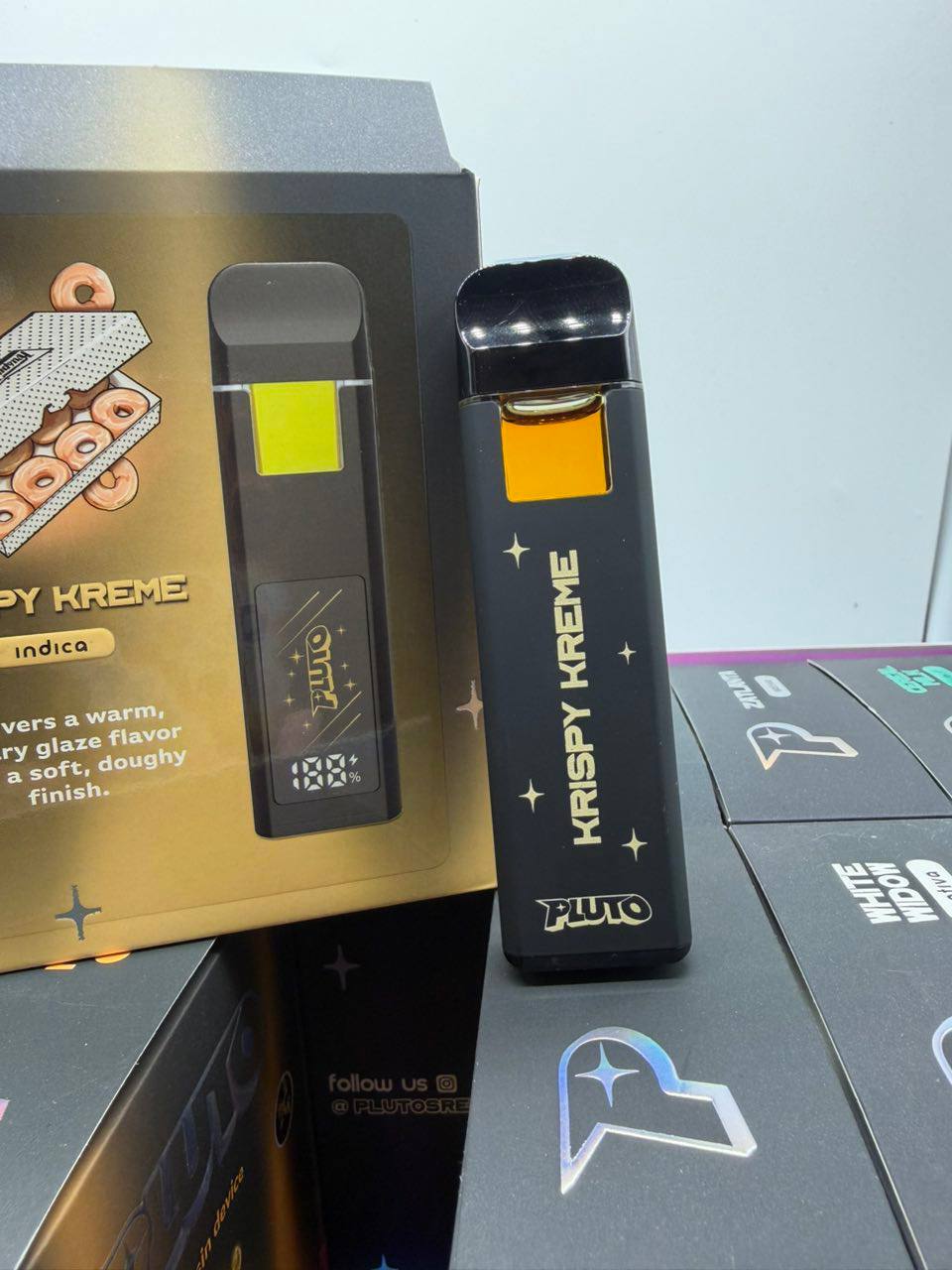
Pluto 2G Disposable: Informational Overview
The Pluto 2G Disposable is a single-use portable vaping device designed to provide a pre-filled vaping experience without the need for refilling or extensive maintenance. Devices in this category typically combine a battery, heating element, and pre-filled reservoir into one compact unit.
Many disposable devices are manufactured with a focus on portability and convenience. Users generally select them because they require minimal setup and can be used immediately after purchase. The compact design often makes them easy to carry in a pocket, bag, or small storage compartment.
A 2-gram capacity is commonly associated with extended usage compared with lower-capacity disposable devices. However, actual longevity depends on individual usage patterns, puff duration, storage conditions, and battery performance.
Disposable vape products may include rechargeable batteries, airflow systems, and flavor formulations that vary between manufacturers and product lines. Performance characteristics can differ based on device engineering, liquid composition, and environmental conditions.
Proper storage is important for maintaining device performance. Manufacturers often recommend keeping disposable devices in a cool, dry location away from direct sunlight, excessive heat, and moisture. Following the manufacturer’s handling guidelines may help preserve battery function and product quality.
Consumers should review all packaging information, ingredient disclosures, safety notices, and local regulations before purchasing or using any vaping product. Age restrictions and product regulations vary by jurisdiction.
Environmental considerations are also relevant because disposable electronic devices contain batteries and electronic components. Local recycling and disposal requirements should be followed whenever available.
This overview is intended for informational purposes only and does not constitute a recommendation, endorsement, or health claim regarding vaping products.
Design and Construction
Disposable vaping devices are generally engineered to combine multiple components into a single housing. The outer shell is often manufactured from lightweight materials that help protect internal electronics while maintaining portability. Depending on the manufacturer, the housing may feature a smooth finish, textured grip, or ergonomic shape designed to fit comfortably in the hand.
Inside the device, several key components work together. These commonly include a rechargeable or non-rechargeable battery, a heating element, airflow channels, and a reservoir containing the vaping formulation. The integration of these components into one unit eliminates the need for separate tanks or replacement coils.
Battery Considerations
Battery performance can influence the overall user experience. Factors such as temperature, storage conditions, charging habits, and frequency of use may affect battery efficiency over time. Rechargeable disposable devices have become increasingly common because they can help users access the full contents of the reservoir before battery depletion.
Manufacturers typically incorporate safety features intended to support battery operation. These may include protection against overcharging, short circuits, and overheating. Nevertheless, users should follow the safety guidance provided by the manufacturer and avoid exposing electronic devices to extreme temperatures or physical damage.
Storage and Handling
Appropriate storage practices may contribute to maintaining product quality. Exposure to excessive heat, direct sunlight, or moisture can affect both electronic components and the formulation contained within the device. Storing the product in a stable environment may help reduce the risk of leakage, battery degradation, or diminished performance.
Users should also inspect devices for signs of damage before use. Cracks, leaks, unusual odors, or visible battery issues may indicate that the product should not be used. If concerns arise, the manufacturer’s guidance should be consulted.
Regulatory and Consumer Awareness
Regulations concerning vaping products differ significantly across countries, regions, and municipalities. Consumers are encouraged to familiarize themselves with local requirements related to purchase, possession, transportation, and disposal. Product labeling, ingredient disclosure requirements, and age restrictions may also vary according to applicable laws.
Before purchasing any vaping product, consumers may benefit from reviewing available product information, manufacturer details, and safety documentation. Access to accurate information can support informed decision-making and greater awareness of product characteristics.
Environmental Impact
Electronic disposable products contain materials that may require specialized disposal methods. Batteries, electronic circuitry, and other components should not always be discarded with general household waste where local regulations provide alternative options. Recycling programs and electronic waste collection initiatives can help reduce environmental impact and support responsible disposal practices.Pluto 2g disposable
As awareness of electronic waste continues to grow, many communities have expanded recycling infrastructure to accommodate small electronic devices. Checking local guidelines may help consumers identify appropriate disposal channels.Pluto 2g disposable
Understanding Airflow Systems
Airflow plays an important role in the operation of many vaping devices. The airflow pathway influences how air moves through the device and interacts with the heating element. Manufacturers may use different airflow configurations depending on the intended design characteristics and overall device architecture.Pluto 2g disposable
Some devices incorporate fixed airflow systems, while others use adjustable mechanisms. Fixed systems are designed to provide a consistent experience throughout the product’s lifespan. Adjustable systems, when present, allow users to modify airflow resistance according to personal preferences. The implementation and effectiveness of these systems vary across product categories and manufacturers.Pluto 2g disposable
Heating Technology
Modern disposable devices often utilize compact heating elements engineered to vaporize the contained formulation efficiently. Materials and construction methods differ among manufacturers, resulting in variations in performance, durability, and operating characteristics.
Heating elements are designed to function within specific operating ranges. Excessive temperatures may affect performance and product consistency. For this reason, many devices include electronic controls intended to regulate power delivery and maintain stable operation.
Product Packaging and Labeling
Packaging serves several functions beyond product presentation. It often contains important information regarding ingredients, usage guidelines, manufacturing details, batch identification, safety warnings, and regulatory disclosures. Reviewing this information can help consumers better understand the product they are purchasing.Pluto 2g disposable
Clear labeling may also support product traceability. Batch numbers and manufacturing identifiers can assist manufacturers and regulatory authorities in addressing quality-control concerns if they arise.Pluto 2g disposable
Quality Assurance Practices
Manufacturing standards and quality assurance procedures vary throughout the industry. Many producers implement testing protocols designed to evaluate consistency, functionality, and compliance with applicable regulations. These procedures may include inspections of electronic components, battery systems, packaging integrity, and formulation characteristics.Pluto 2g disposable
Quality assurance efforts are intended to identify defects before products reach consumers. However, standards, certifications, and testing requirements differ across jurisdictions and manufacturers.Pluto 2g disposable
Consumer Education
Consumer education remains an important aspect of product awareness. Understanding device operation, storage recommendations, disposal requirements, and applicable regulations can help individuals make informed decisions. Educational materials from manufacturers, public health organizations, and regulatory agencies often provide valuable information regarding product characteristics and safety considerations.Pluto 2g disposable
Consumers are encouraged to seek information from reliable sources and remain aware that product specifications, regulations, and industry standards may change over time. Staying informed can contribute to greater understanding of both the technology and the broader regulatory environment surrounding vaping products.
Future Developments
The vaping industry continues to evolve through advancements in battery technology,Pluto 2g disposable manufacturing processes, materials engineering, and product design. Future developments may focus on efficiency, sustainability, device durability, and waste reduction. Regulatory changes may also influence how products are designed, labeled, distributed, and recycled.Pluto 2g disposable
As technology progresses, manufacturers, regulators, researchers, and consumers will continue to evaluate emerging innovations and their potential implications for product performance, environmental responsibility, and consumer awareness.Pluto 2g disposable
Materials and Manufacturing Processes
The production of disposable vaping devices involves the integration of several components that must function together within a compact form factor. Manufacturers typically source batteries, electronic circuitry, heating elements, reservoirs, and exterior housings from specialized suppliers. These components are then assembled according to established manufacturing specifications.
Production facilities may employ automated assembly systems to improve consistency and efficiency. Automated processes can help ensure that components are positioned correctly and that finished units meet predefined manufacturing standards. Human oversight often remains important for inspections, quality checks, and packaging operations.Pluto 2g disposable
Material selection can influence durability, weight, and overall product characteristics. Manufacturers may choose different housing materials depending on design objectives, production costs, and intended performance requirements. Internal components must also be compatible with the device’s operating conditions and expected lifespan.Pluto 2g disposable
Supply Chain Considerations
The supply chain for electronic vaping products often includes multiple stages. Raw materials are sourced, components are manufactured, products are assembled, and finished units are distributed through wholesalers and retailers. Each stage introduces logistical considerations related to transportation, storage, inventory management, and regulatory compliance.
Supply chain disruptions can affect product availability, manufacturing schedules, and retail distribution. Economic conditions, transportation networks, regulatory changes, and material availability may all influence market dynamics.Pluto 2g disposable
Product Lifecycle
Like many consumer electronics, disposable vaping devices progress through a lifecycle that includes manufacturing, distribution, purchase, use, and disposal. Understanding this lifecycle can provide insight into the broader environmental and economic considerations associated with these products.Pluto 2g disposable
Manufacturing requires raw materials, energy, and transportation resources. Distribution involves packaging and logistics systems that move products through retail channels. Following use, disposal practices become important because electronic components and batteries may require specialized handling.Pluto 2g disposable
Lifecycle assessments are sometimes conducted to evaluate environmental impacts associated with production and disposal. Such assessments may examine resource consumption, waste generation, transportation requirements, and recycling opportunities.Pluto 2g disposable
Public Policy and Regulation
Governments and regulatory agencies continue to evaluate vaping products within broader public health and consumer protection frameworks. Policies may address manufacturing standards, product labeling, age restrictions, advertising limitations, taxation, packaging requirements, and environmental considerations.Pluto 2g disposable
Regulatory approaches differ significantly among jurisdictions. Some regions maintain comprehensive regulatory systems, while others continue to develop or revise existing frameworks. As a result, requirements applicable to manufacturers and retailers may vary across markets.
Consumers should consult current local regulations because laws and requirements can change over time. Official government publications and regulatory agency resources generally provide the most reliable information regarding applicable rules.Pluto 2g disposable
Research and Ongoing Evaluation
Researchers continue to study various aspects of vaping products, including device technology, consumer behavior, environmental impact, and regulatory effectiveness. Scientific understanding evolves as new data become available and as technologies continue to develop.Pluto 2g disposable
Academic institutions, regulatory agencies, public health organizations, and industry stakeholders often contribute to ongoing research efforts. Findings from these studies may influence future product standards, policy decisions, and consumer education initiatives.
Because research is ongoing, information available today may be supplemented by new evidence in the future. Staying informed through credible sources can help consumers understand developments within the industry and the broader context in which these products exist.
Consumer Information and Product Transparency
Product transparency has become an increasingly important topic across many consumer industries, including electronic vaping devices. Transparency generally refers to the availability of clear and accurate information regarding product specifications, manufacturing practices, ingredients, safety notices, and regulatory compliance.Pluto 2g disposable
Consumers often rely on product labels, manufacturer documentation, and publicly available resources when evaluating products. Information that is commonly disclosed may include battery capacity, device dimensions, manufacturing location, storage recommendations, and usage guidelines. The level of detail provided can vary depending on regulatory requirements and manufacturer policies.Pluto 2g disposable
Clear communication can help consumers better understand product characteristics and limitations. Accurate labeling also supports informed decision-making and contributes to consumer confidence in product information.Pluto 2g disposable
Product Authentication and Verification
Counterfeit consumer electronics remain a concern in many industries. To address this issue, some manufacturers implement authentication measures designed to help consumers verify product legitimacy. These measures may include serial numbers, security codes, tamper-evident packaging, or digital verification systems.Pluto 2g disposable
Verification systems differ among manufacturers and regions. Consumers who wish to confirm product authenticity should consult official manufacturer resources and follow the verification procedures provided with the product.Pluto 2g disposable
Authenticity verification may help reduce the risk of purchasing products that do not meet the standards established by the original manufacturer. It can also assist consumers in accessing accurate product information and support resources.Pluto 2g disposable
Transportation and Storage Challenges
Transportation conditions can influence the quality and condition of electronic devices. During shipment, products may encounter temperature fluctuations, humidity changes, vibration, and handling stresses. Manufacturers and distributors often design packaging systems intended to provide protection throughout the distribution process.Pluto 2g disposable
Storage conditions remain important after products reach retail locations and consumers. Excessive heat, prolonged exposure to direct sunlight, and high humidity levels may affect electronic components and overall product condition. Following storage recommendations provided by the manufacturer may help preserve intended functionality.Pluto 2g disposable
Technological Evolution
Consumer electronics continue to evolve through advancements in design, manufacturing methods, and component technology. Developments in battery efficiency, miniaturization, electronic controls, and materials science have contributed to increasingly compact and sophisticated devices.
Future innovations may focus on sustainability, improved manufacturing efficiency, enhanced product transparency, and waste reduction strategies. Industry stakeholders, researchers, and regulatory bodies continue to monitor technological developments and assess their implications.
Technological change often occurs alongside evolving consumer expectations. As a result, manufacturers frequently adapt product designs and production processes in response to market trends, regulatory requirements, and emerging research.Pluto 2g disposable
Environmental Responsibility
Environmental considerations increasingly influence discussions surrounding disposable electronic products. Batteries, plastics, metals, and electronic components require resources during production and may contribute to waste streams after disposal.
Recycling initiatives and electronic waste collection programs seek to recover valuable materials and reduce environmental impacts. Participation in such programs depends on local infrastructure, regulatory frameworks, and consumer awareness.Pluto 2g disposable
Individuals who use electronic devices can benefit from understanding available recycling options within their communities. Proper disposal practices may support broader environmental management efforts and help reduce unnecessary waste.Pluto 2g disposable
Conclusion
Disposable vaping devices represent a category of compact electronic products that combine multiple technologies within a single unit. Their design incorporates batteries, electronic controls, heating elements, and specialized reservoirs in a portable format. Manufacturing, distribution, regulation, and disposal all contribute to the broader context in which these products exist.Pluto 2g disposable
As technology, regulations, and consumer expectations continue to evolve, access to accurate information remains important. Understanding product characteristics, storage considerations, environmental factors, and applicable regulations can support informed decision-making and responsible product management.Pluto 2g disposable
This document is intended solely for educational and informational purposes. It does not endorse, promote, or recommend the use of any vaping product and should not be interpreted as medical, legal, or regulatory advice.Pluto 2g disposable
Frequently Asked Questions About Disposable Vaping Devices
What is a disposable vaping device?
A disposable vaping device is a self-contained electronic product that combines a battery, heating element, airflow system, and pre-filled reservoir within a single unit. Unlike refillable systems, disposable products are generally designed for limited use and are typically discarded according to local disposal requirements once they are no longer functional.
Why are disposable devices manufactured as all-in-one products?
The all-in-one design simplifies manufacturing and consumer use by integrating multiple components into a compact housing. This approach eliminates the need for separate tanks, replaceable coils, or extensive maintenance procedures. The exact design philosophy varies among manufacturers and product categories.
Can environmental conditions affect device performance?
Environmental conditions may influence electronic devices in general. Factors such as excessive heat, humidity, direct sunlight, and prolonged exposure to extreme temperatures can affect batteries and other electronic components. Manufacturers commonly provide storage recommendations intended to minimize these risks.
Why do regulations vary between countries?
Regulatory frameworks are established by national, regional, and local authorities. Public health priorities, consumer protection policies, environmental considerations, and legislative processes differ among jurisdictions. As a result, product requirements, labeling standards, and sales restrictions may vary significantly from one location to another.
What role does packaging play?
Packaging serves multiple purposes. It protects the product during transportation, provides important information to consumers, and may include regulatory disclosures, warnings, manufacturing details, and authentication features. Packaging design can also assist with inventory tracking and product identification.
Why is recycling important for electronic products?
Many electronic products contain batteries, metals, plastics, and circuitry that may require specialized disposal methods. Recycling programs can help recover valuable materials and reduce the amount of waste entering landfills. Availability of recycling services depends on local infrastructure and regulatory systems.
Industry Trends and Market Development
Consumer electronics markets frequently evolve in response to technological innovation, regulatory changes, and shifting consumer expectations. The disposable vaping category has experienced similar changes as manufacturers explore new production methods, materials, and product designs.
Several trends have influenced the broader industry in recent years. These include increased attention to product transparency, enhanced quality-control procedures, sustainability discussions, and the development of recycling initiatives. Regulatory agencies have also expanded oversight in many jurisdictions, leading to changes in packaging requirements, product disclosures, and distribution practices.
Manufacturers often adapt to these developments by reviewing production processes, updating documentation, and implementing new compliance measures. Such adjustments can affect product design, manufacturing costs, and market availability.
The Importance of Reliable Information
Consumers today have access to a wide range of information sources. While this accessibility can be beneficial, it also highlights the importance of evaluating information critically. Official manufacturer publications, government resources, regulatory agencies, and peer-reviewed research generally provide more reliable information than unverified sources.
Understanding the difference between factual information, marketing claims, and personal opinions can help consumers make informed decisions. Reviewing multiple credible sources may provide a more balanced understanding of any product category, including electronic vaping devices.
As technologies continue to evolve, ongoing education and awareness remain valuable. Reliable information supports informed decision-making and encourages responsible engagement with consumer products and emerging technologies.



Reviews
There are no reviews yet.