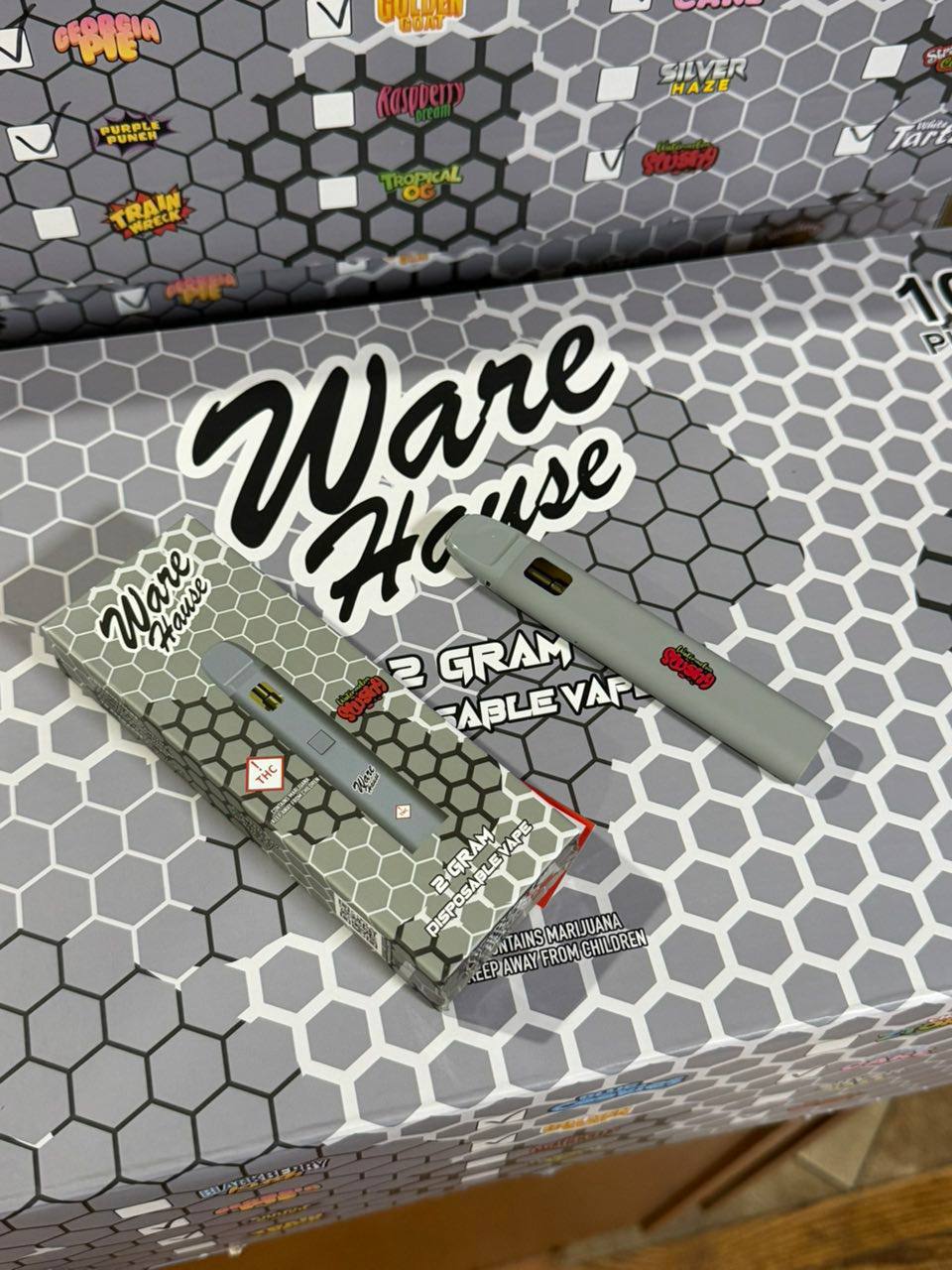
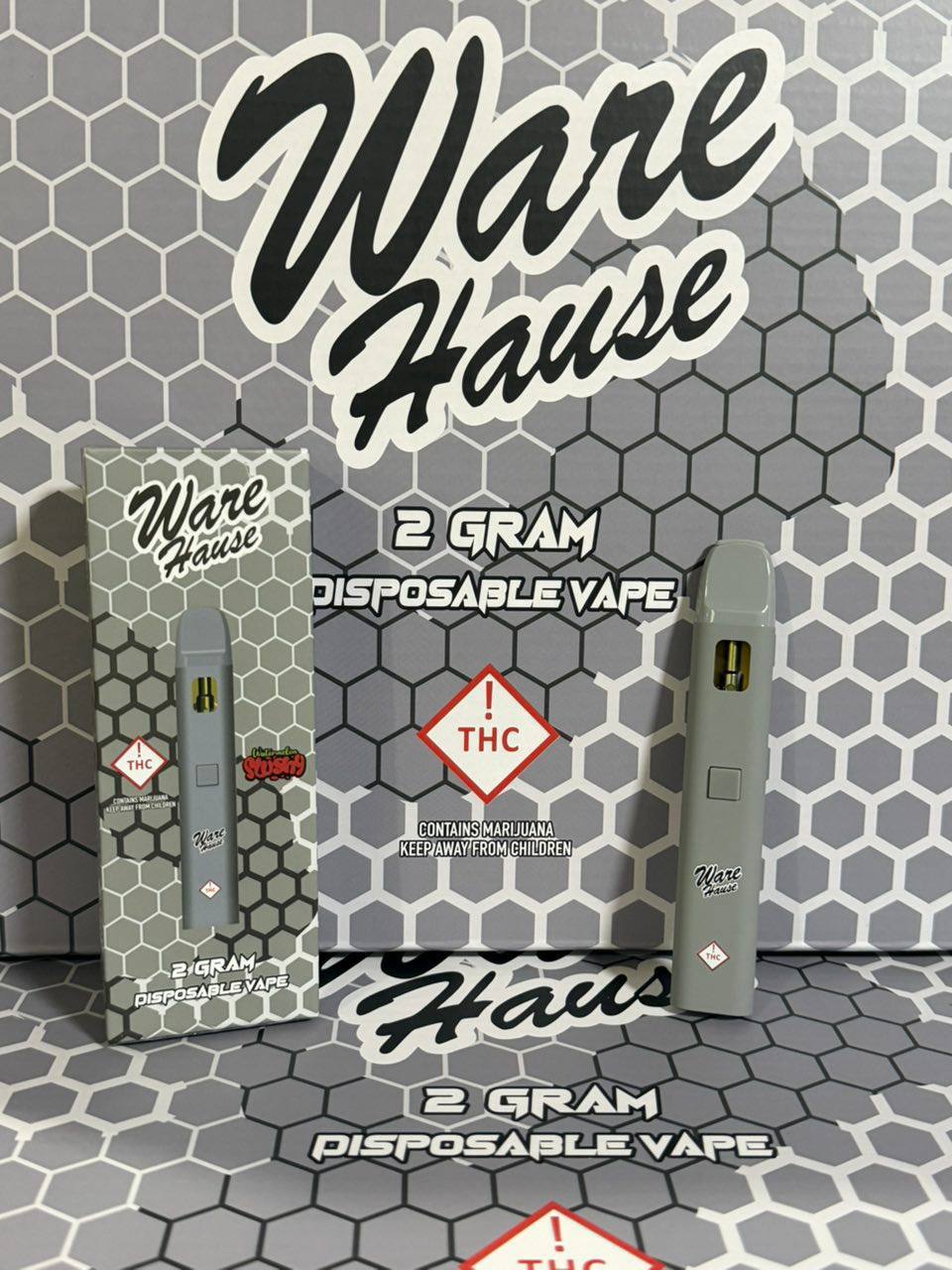
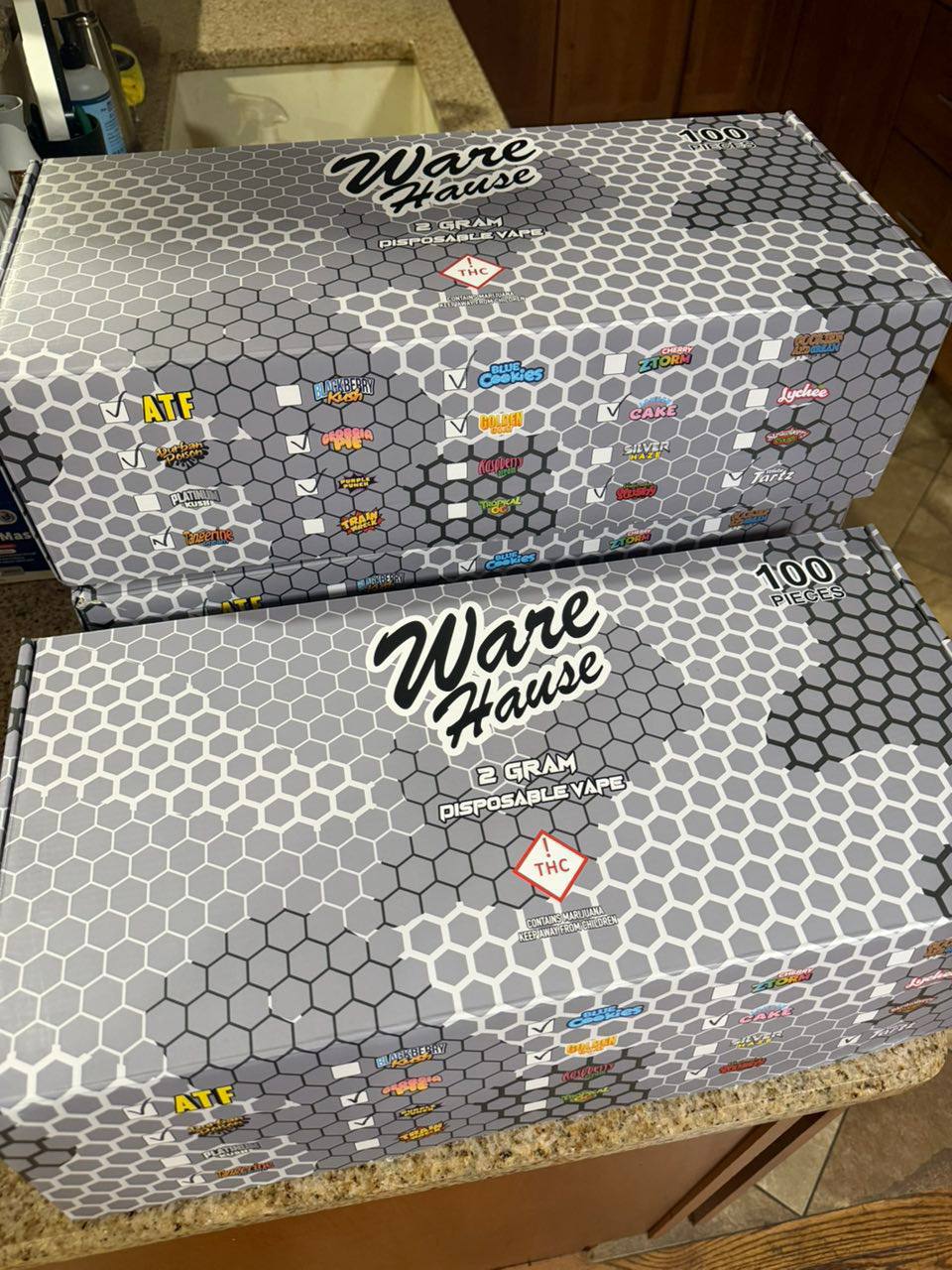
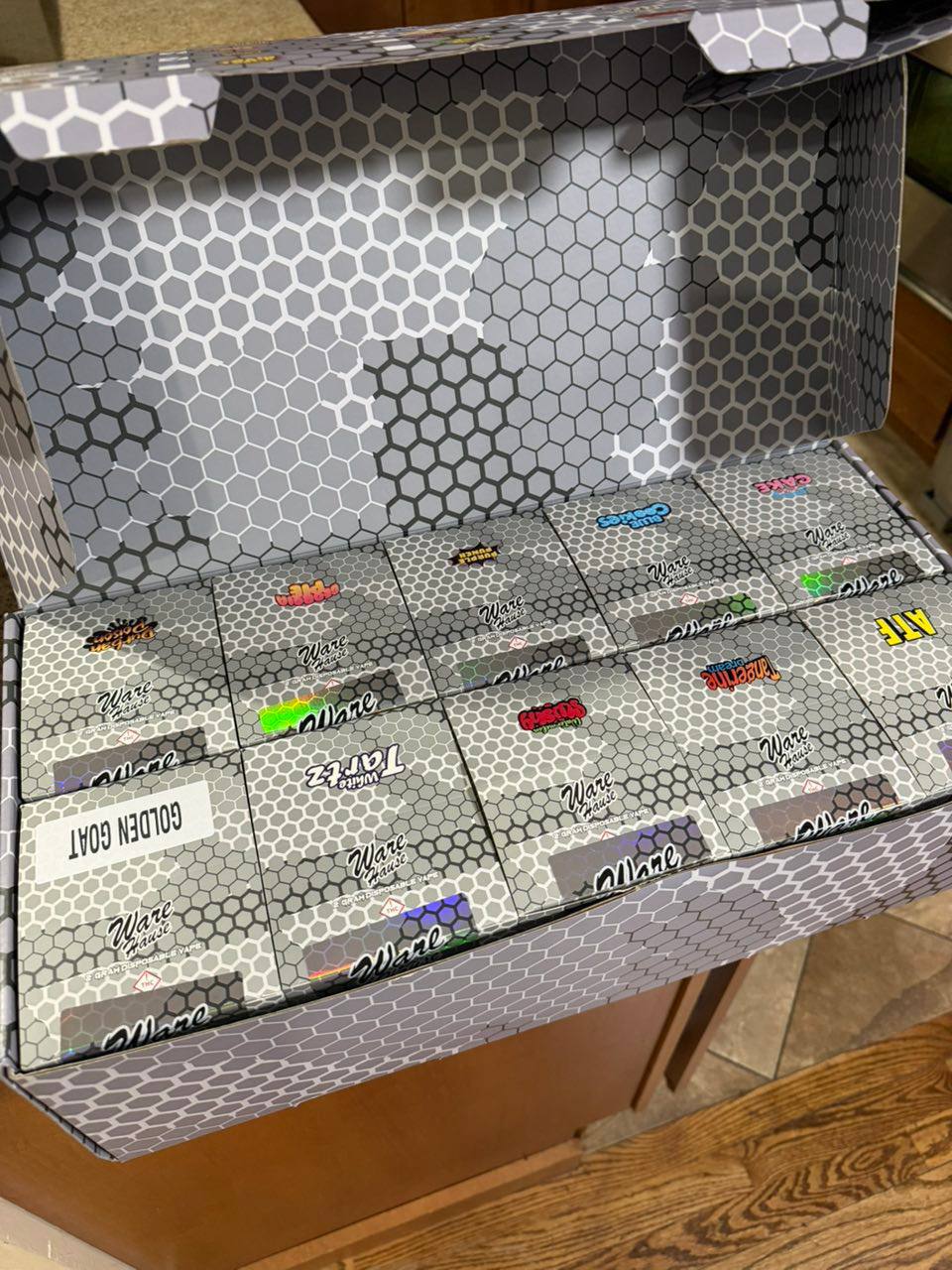
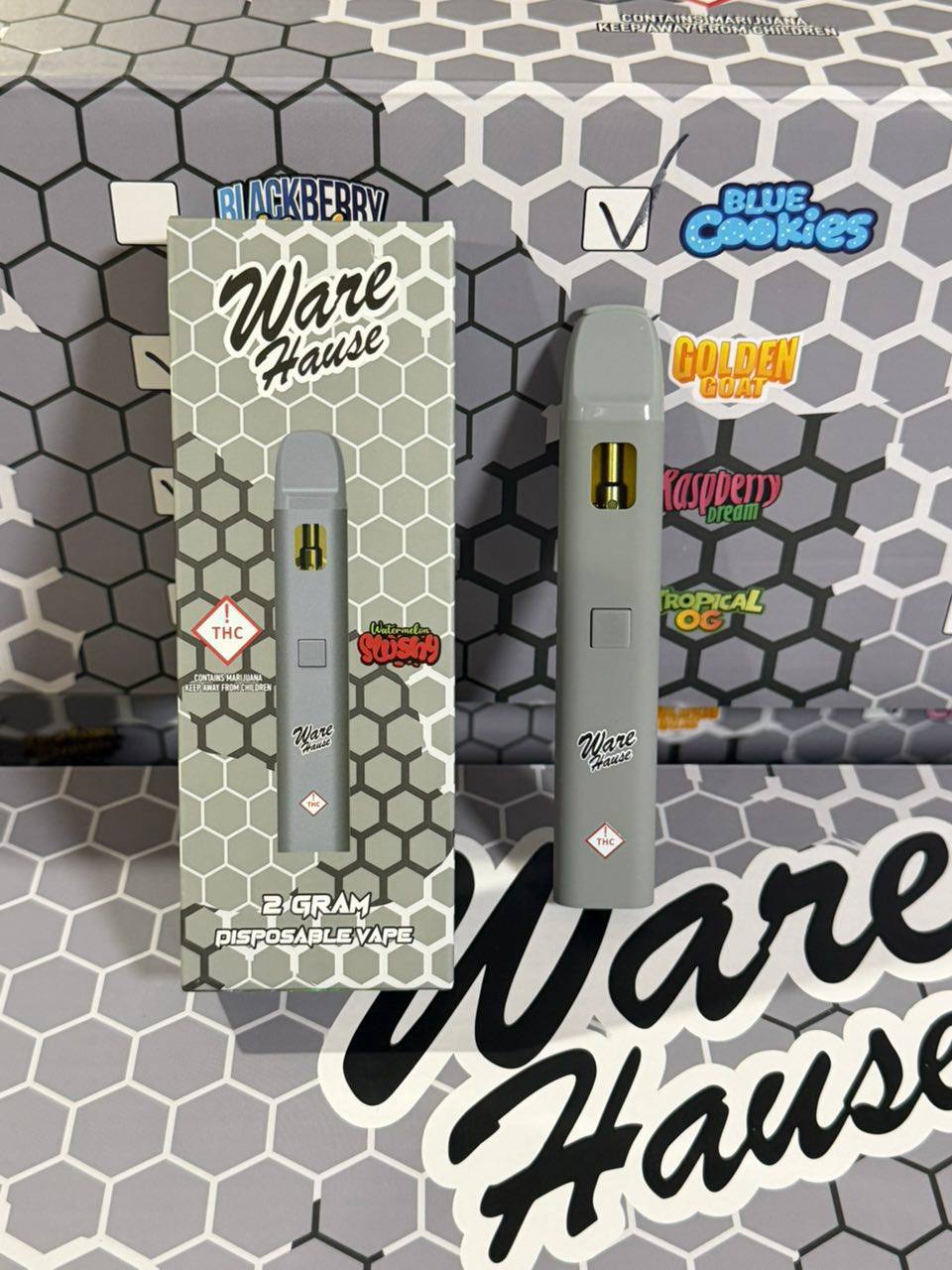
Ware Hause 2G Disposable: Product Information Overview
The Ware Hause 2G Disposable is a pre-filled disposable vaporizer device designed for convenience and portability. Featuring a compact form factor, the device combines a rechargeable battery with a preloaded reservoir, allowing users to access the product without the need for separate cartridges or extensive setup.
Design and Construction
The device typically features a lightweight construction that supports portability and ease of handling. Its streamlined design allows it to fit comfortably in a pocket, bag, or small storage compartment. In addition, the integrated mouthpiece and enclosed system contribute to a simplified user experience.
The disposable format eliminates the need for cartridge replacement. As a result, users interact with a single self-contained device throughout its intended lifespan. Furthermore, many modern disposable vaporizers include rechargeable battery functionality to support full utilization of the contents.

Capacity and Performance
A 2-gram capacity generally provides a larger volume than many standard disposable devices. Consequently, the product may offer extended use before replacement becomes necessary. Battery performance, heating consistency, and airflow characteristics can influence the overall experience.
Manufacturers often focus on balancing vapor production with efficient power consumption. Therefore, device engineering plays a significant role in maintaining consistent operation over time.
Portability Benefits
Portability remains one of the primary characteristics associated with disposable vaporizer devices. Because the unit arrives ready for use, it reduces the need for additional accessories. Moreover, the compact design supports transportation and storage convenience.
The all-in-one format also simplifies handling. Instead of managing multiple components, users work with a single integrated device.
Technology Features
Modern disposable vaporizers frequently incorporate several technological features, including:
- Rechargeable battery systems
- Draw-activated operation
- Compact integrated hardware
- Consistent heating mechanisms
- Portable ergonomic construction
These features contribute to operational simplicity while supporting overall device functionality.
Storage Considerations
Proper storage conditions can help preserve device quality. A cool, dry environment is generally recommended for electronic vaporizer products. Additionally, avoiding excessive heat, direct sunlight, and moisture may support product longevity.
Careful handling can also assist in maintaining device performance throughout its intended lifespan.
User Convenience
Convenience remains a defining characteristic of disposable vaporizer devices. Since no assembly is required, preparation time is minimized. Likewise, integrated construction reduces maintenance requirements compared with multi-component systems.
Many consumers value disposable devices because they offer straightforward operation and portability within a compact package.

Product Category Overview
The disposable vaporizer category has expanded significantly in recent years. Manufacturers continue developing products that emphasize portability, battery efficiency, and ease of use. Consequently, devices with larger capacities have become increasingly common within the market.
As technology advances, improvements in battery performance, airflow optimization, and device durability continue to influence product development.
Conclusion
The Ware House 2G Disposable represents a modern disposable vaporizer format focused on portability, integrated design, and user convenience. Its compact construction, larger capacity, and simplified operation reflect broader trends within the disposable vaporizer category. Understanding the device’s design, functionality, and storage considerations can provide valuable context for individuals seeking general information about this type of product.
Evolution of Disposable Vaporizer Devices
Disposable vaporizer devices have undergone significant development over the past decade. Early models often featured limited battery capacity and smaller reservoirs. Over time, manufacturers introduced advancements that improved battery efficiency, airflow control, and overall device reliability.
As consumer expectations evolved, product designers focused on creating devices that could deliver consistent performance while maintaining compact dimensions. Consequently, larger-capacity formats became more common. These designs aimed to accommodate increased storage volume without substantially increasing the overall size of the device.
In addition, rechargeable battery technology became a noteworthy development within the category. Rather than relying exclusively on fixed battery capacity, many modern devices now include charging capabilities that help support operation throughout the product’s intended lifespan.

Components of a Disposable Vaporizer
Although designs vary among manufacturers, disposable vaporizers typically share several common components. Understanding these elements provides insight into how the devices function.
Battery System
The battery serves as the power source for the device. Modern batteries are generally designed to provide stable energy output while maintaining compact dimensions. Battery capacity often influences how long a device can operate before recharging becomes necessary.
Heating Element
The heating element converts electrical energy into heat. This process enables the device to vaporize its contents. Manufacturers frequently invest in heating technology designed to promote consistency and efficiency.
Reservoir
The reservoir stores the material contained within the device. Reservoir capacity varies depending on the model and intended design specifications. A larger reservoir can accommodate greater volume while preserving the compact nature of the product.
Airflow Pathway
The airflow pathway directs vapor from the heating chamber to the mouthpiece. Proper airflow engineering contributes to smooth operation and consistent performance.
Exterior Housing
The housing protects internal components from environmental exposure and physical handling. Manufacturers often utilize lightweight materials that balance durability with portability.
Design Trends in Modern Devices
Several design trends have emerged within the disposable vaporizer industry. These developments reflect ongoing efforts to improve usability and functionality.
Compact Construction
Many manufacturers prioritize portability. As a result, devices are frequently engineered with streamlined profiles and lightweight materials.
Rechargeable Technology
Rechargeable systems have become increasingly common. This approach allows batteries to be replenished when necessary, supporting continued operation throughout the product’s usable life.
Enhanced Airflow Systems
Improved airflow design represents another notable trend. Engineers often focus on optimizing internal pathways to create a more consistent user experience.
Leak-Resistant Engineering
Manufacturers continue exploring methods to reduce leakage and protect internal components. Enhanced sealing mechanisms and improved material selection contribute to these efforts.
Manufacturing Considerations
Production of disposable vaporizer devices involves multiple stages. These processes often include component manufacturing, assembly, testing, and quality verification.
Manufacturers typically implement testing procedures intended to evaluate battery performance, airflow consistency, and structural integrity. Furthermore, production facilities may employ quality-control protocols to identify potential issues before products reach distribution channels.
Consistency remains a key objective throughout manufacturing. Therefore, careful monitoring of materials and assembly procedures plays an important role in product development.
Environmental Considerations
Disposable electronic products present unique environmental challenges. Because these devices contain batteries and electronic components, proper disposal practices are important.
Many regions provide electronic waste recycling programs that can help manage batteries and related materials responsibly. Additionally, manufacturers and industry organizations continue exploring methods to improve sustainability and reduce environmental impact.
Discussions surrounding recycling infrastructure and responsible disposal practices remain relevant topics within the broader electronics industry.
Storage and Maintenance Information
While disposable devices generally require minimal maintenance, proper storage can help preserve functionality.
Recommended storage considerations often include:
- Maintaining moderate temperatures
- Limiting exposure to excessive humidity
- Protecting the device from direct sunlight
- Avoiding physical damage caused by impacts
- Keeping the device in a clean environment
These measures may help support device integrity and operational consistency.
Consumer Interest in Portable Technology
Portable technology continues to influence product development across numerous industries. Consumers frequently seek products that combine convenience, compact design, and straightforward operation.
Disposable vaporizer devices reflect these broader trends. Their integrated structure reduces complexity while supporting portability. Consequently, manufacturers often emphasize ergonomic design and efficient use of space.
The demand for compact electronic products has also encouraged innovation in battery technology, materials engineering, and manufacturing processes.
Future Developments
Future developments may focus on several areas, including battery efficiency, sustainability initiatives, and advanced manufacturing techniques. Researchers and engineers continue investigating methods that could improve device performance while reducing environmental impact.
Material science may also contribute to future innovations. Lighter and more durable materials could support enhanced product longevity and improved structural performance.
At the same time, advancements in electronic component design may enable manufacturers to create smaller and more efficient systems. These developments could influence the next generation of portable vaporizer technology.
Summary
The Ware Hause 2G Disposable belongs to a category of portable vaporizer devices characterized by integrated construction, compact dimensions, and user-focused design. Understanding the technology, manufacturing processes, storage considerations, and broader industry trends provides valuable context regarding how these devices are developed and utilized.
As the industry continues to evolve, innovation in battery systems, airflow engineering, and sustainability practices will likely remain important areas of focus. These developments contribute to the ongoing refinement of portable electronic vaporizer technology and shape the future direction of the category.
Portability and Everyday Practicality
One of the defining characteristics of modern disposable vaporizer devices is portability. Manufacturers frequently prioritize compact dimensions that allow products to fit comfortably into daily routines. Consequently, design teams often focus on balancing capacity, battery size, and overall device weight.
Portability extends beyond physical size. It also involves ease of transport, storage efficiency, and simplified operation. Therefore, many disposable devices incorporate integrated systems that reduce the number of separate components users must manage.
The combination of compact construction and straightforward functionality has contributed to the popularity of portable electronic devices across multiple product categories. As a result, innovations developed for disposable vaporizers often reflect broader trends in consumer electronics.
Battery Innovation and Efficiency
Battery technology continues to play a significant role in product development. Engineers regularly explore ways to increase efficiency while maintaining safety and reliability.
Several factors influence battery performance:
- Energy capacity
- Charging efficiency
- Output consistency
- Thermal management
- Overall lifespan
Manufacturers often design battery systems to provide stable power delivery throughout normal operation. In addition, rechargeable configurations have become increasingly common because they allow continued use of the device until its contents are fully utilized.
Advances in battery technology have also benefited other industries, including smartphones, wearable devices, and portable electronics. Consequently, developments in one sector often influence innovation across multiple categories.
Materials and Construction Quality
Material selection affects durability, appearance, and user experience. Manufacturers frequently evaluate various materials to determine which options best support design objectives.
Common considerations include:
Weight
Lightweight materials contribute to portability and comfort. Therefore, designers often seek materials that reduce overall mass without compromising structural integrity.
Durability
Products encounter various environmental conditions during transportation and everyday use. As a result, durable construction remains an important objective.
Heat Resistance
Because vaporizer devices contain heating systems, materials must withstand operational temperatures while maintaining structural stability.
Manufacturing Consistency
Materials that support efficient production processes can help manufacturers maintain quality standards across large production volumes.
Careful material selection ultimately contributes to product reliability and overall performance.
The Role of Airflow Engineering
Airflow engineering represents a critical aspect of vaporizer design. The pathway through which air travels influences device responsiveness and operational consistency.
Engineers frequently evaluate factors such as:
- Air intake placement
- Internal channel dimensions
- Vapor flow efficiency
- Pressure balance
- Mouthpiece design
Optimized airflow systems may contribute to smoother operation and more predictable performance characteristics. Consequently, manufacturers often invest substantial resources into airflow research and testing.
Modern computer-aided design tools enable engineers to model airflow behavior before production begins. This approach supports refinement and performance optimization throughout the development process.
Quality Assurance Procedures
Quality assurance serves as an important component of manufacturing operations. Many production facilities implement structured inspection protocols designed to evaluate product consistency.
Typical quality assurance activities may include:
Visual Inspection
Technicians assess external appearance and component placement to identify potential defects.
Battery Evaluation
Battery systems undergo testing to verify operational performance and charging functionality.
Structural Assessment
Manufacturers inspect device construction to confirm proper assembly and component integration.
Functional Testing
Operational testing helps verify that devices perform according to intended specifications.
Packaging Verification
Final packaging inspections help ensure products are prepared appropriately for distribution.
These procedures contribute to maintaining manufacturing standards and supporting consumer confidence.
Technology Integration
Modern disposable vaporizer devices often incorporate multiple technological elements within a relatively small footprint. Achieving this level of integration requires careful engineering and component selection.
Integrated technologies may include:
- Rechargeable battery systems
- Automated activation mechanisms
- Power regulation components
- Internal safety features
- Precision-manufactured airflow structures
The ability to combine these elements into a compact package demonstrates ongoing progress within portable electronics design.
Market Evolution
The broader vaporizer industry has experienced notable changes as technology continues to advance. Product categories have expanded, and manufacturers frequently introduce new design approaches intended to improve convenience and functionality.
Several factors have influenced this evolution:
Consumer Demand
Consumers increasingly seek products that combine simplicity, portability, and reliable operation.
Technological Progress
Advances in batteries, manufacturing methods, and electronic components have enabled more sophisticated product designs.
Production Efficiency
Improved manufacturing processes support consistent quality while facilitating large-scale production.
Design Innovation
Competition encourages manufacturers to explore new concepts and engineering solutions.
These influences continue shaping product development strategies throughout the industry.
Packaging and Presentation
Packaging serves multiple purposes beyond product protection. It also communicates information regarding handling, storage, and device characteristics.
Manufacturers often consider several factors when developing packaging solutions:
- Durability during transportation
- Efficient use of materials
- Product identification
- Consumer convenience
- Environmental considerations
Effective packaging supports product integrity while contributing to a positive user experience.
Sustainability Discussions
Sustainability remains an important topic across the electronics industry. Manufacturers, researchers, and policymakers continue exploring methods to reduce environmental impact associated with electronic products.
Areas of interest frequently include:
Recycling Infrastructure
Improved recycling systems may help recover valuable materials from electronic waste streams.
Material Selection
Alternative materials could potentially reduce environmental impact while maintaining performance requirements.
Manufacturing Efficiency
More efficient production methods may reduce resource consumption and waste generation.
Product Lifecycle Considerations
Industry stakeholders continue evaluating strategies that support responsible management of electronic products throughout their lifecycle.
Although challenges remain, sustainability initiatives continue influencing research and development efforts.
Consumer Education
Educational resources can help consumers better understand product operation, storage considerations, and disposal practices. Manufacturers often provide informational materials designed to support responsible product use.
Common educational topics include:
- Device functionality
- Storage recommendations
- Charging procedures
- Safety considerations
- Disposal guidance
Clear communication contributes to informed decision-making and improved product understanding.
Looking Ahead
Future innovations may continue focusing on efficiency, reliability, and sustainability. As technology advances, manufacturers are likely to explore opportunities for improving battery performance, reducing environmental impact, and enhancing overall device engineering.
Research into new materials, manufacturing techniques, and electronic systems could contribute to the next generation of portable vaporizer devices. Furthermore, ongoing advancements in consumer electronics may provide additional insights that influence product development.
The evolution of disposable vaporizer technology illustrates how engineering, manufacturing, and design intersect to create increasingly sophisticated portable devices. As innovation continues, the category will likely experience further refinement driven by changing consumer expectations and technological progress.
Extended Conclusion
The Ware House 2G Disposable represents a modern example of integrated portable vaporizer technology. Its design reflects broader industry priorities that emphasize convenience, compact construction, and operational simplicity. From battery systems and airflow engineering to manufacturing processes and sustainability discussions, numerous factors contribute to the development of products within this category.
Understanding these elements provides valuable perspective on how contemporary disposable vaporizer devices are designed, manufactured, and utilized. As technological capabilities continue expanding, future developments may further enhance efficiency, reliability, and environmental responsibility across the industry.
The ongoing advancement of portable electronic technology ensures that innovation will remain a central theme in product development. Consequently, disposable vaporizer devices are likely to continue evolving alongside broader trends in engineering, manufacturing, and consumer electronics.
In regulated markets, governments typically establish frameworks that govern licensing, product testing, packaging standards, and retail distribution. These frameworks are designed to ensure product safety, accurate labeling, and controlled access. For example, potency limits may be imposed on individual servings to reduce the risk of accidental overconsumption.
In contrast, unregulated markets may lack consistent oversight. In such environments, product quality, labeling accuracy, and safety standards can vary widely, increasing potential risks for consumers. This regulatory disparity contributes to significant differences in consumer experience across regions.
Internationally, cannabis remains scheduled under various drug control treaties, although interpretations and enforcement differ. Some countries have begun reforming national laws to accommodate medical or recreational cannabis use, while others maintain strict enforcement policies.




Reviews
There are no reviews yet.