
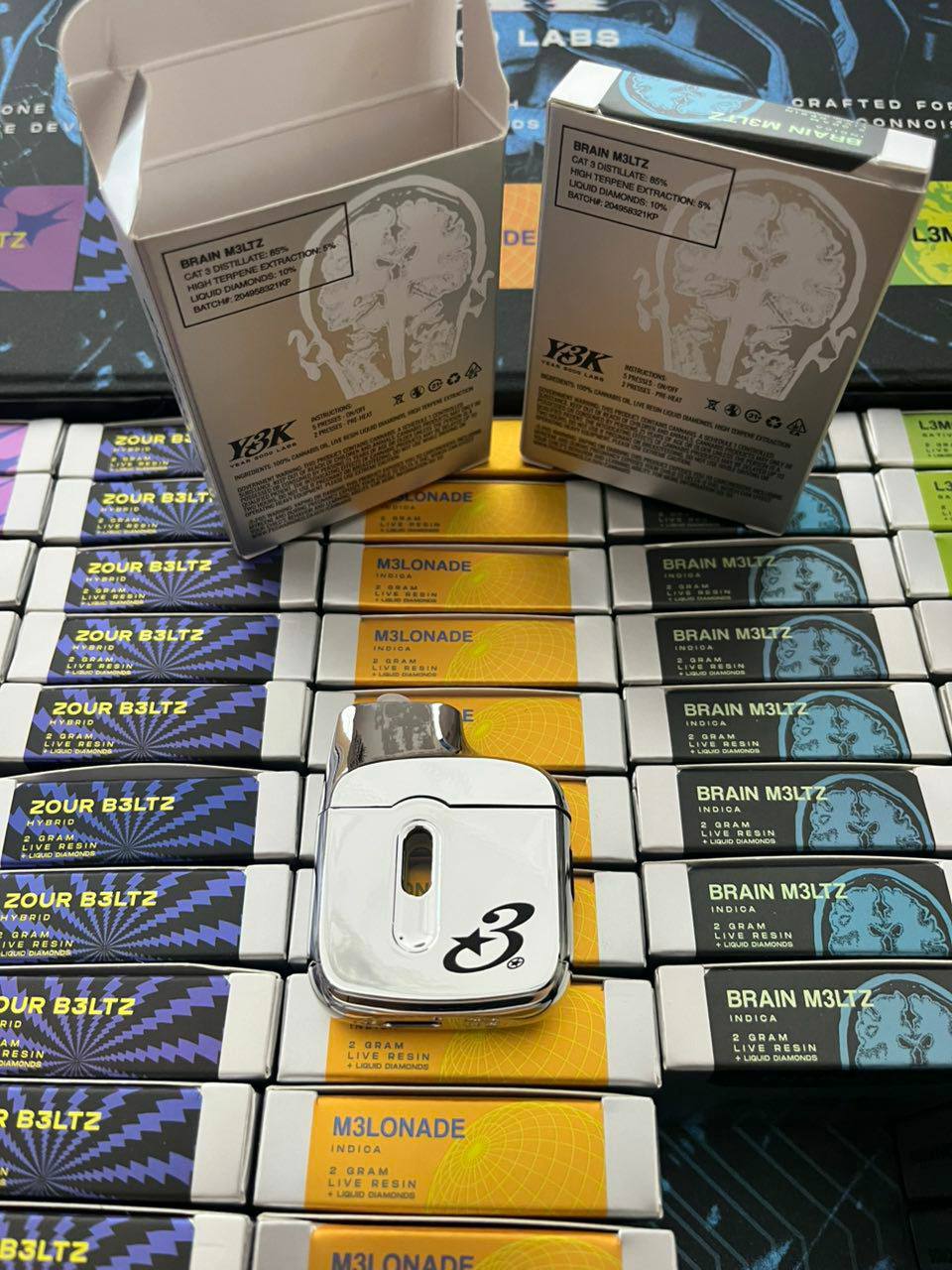

Y3K 2G Disposable: Informational Product Overview
The Y3K 2G Disposable is a portable, self-contained vaping device designed for single-user convenience. The device combines a battery, heating element, and prefilled reservoir in one compact unit. Unlike refillable systems, disposable devices are intended to function without the need for separate charging accessories, replacement coils, or manual refilling, depending on the model specifications.

Device Design
The compact construction supports portability and straightforward handling. Most disposable vape devices feature a lightweight housing that fits easily into a pocket, bag, or storage case. The integrated design reduces the number of components that users need to manage.
Capacity
The “2G” designation generally refers to the device’s reservoir capacity. Capacity specifications can vary by manufacturer, formulation, and local regulations. Users should consult official product labeling for precise details regarding contents and intended use.
Operation
Many disposable vape devices utilize draw-activated technology. In such systems, the heating mechanism activates when the user inhales through the mouthpiece. This design eliminates the need for external buttons and simplifies operation.
Components
A typical disposable vape device may include:
- Integrated battery
- Heating element
- Reservoir or chamber
- Mouthpiece
- Outer housing
Materials and component specifications differ among manufacturers.
Storage Considerations
Proper storage helps maintain device performance and product integrity. Manufacturers commonly recommend storing vape devices in a cool, dry location away from direct sunlight, excessive heat, and moisture.
Safety Information
Users should carefully review all packaging, warning labels, and manufacturer instructions before use. Products containing nicotine, cannabis-derived ingredients, or other inhalable substances may present health risks. Local laws, age restrictions, and regulatory requirements vary by jurisdiction.
Maintenance
Disposable devices generally require minimal maintenance. However, keeping the mouthpiece clean and protecting the device from physical damage may support consistent operation throughout its intended lifespan.
Disposal
Electronic vaping devices contain batteries and electronic components. Disposal should follow local regulations governing electronic waste and battery recycling where applicable.
Product Summary
The Y3K 2G Disposable is designed as a compact all-in-one vaping device that emphasizes portability and convenience. Features, ingredients, battery specifications, and regulatory status depend on the specific manufacturer and product version. Consumers should consult official documentation and applicable local regulations for accurate product information.
Battery Technology
Disposable vaping devices typically rely on an integrated rechargeable or non-rechargeable battery. Battery size, output level, and expected lifespan vary according to the manufacturer’s design goals. Consistent battery performance can influence vapor production, heating efficiency, and overall device operation.
Many modern devices incorporate protective features intended to reduce common operational issues. Depending on the model, these safeguards may include short-circuit protection, overcharge protection, and automatic shutoff functions. Product documentation should be reviewed for model-specific details.
Heating System
The heating element converts electrical energy into heat. This process allows the device to vaporize the material contained within the reservoir. Different heating technologies can affect temperature consistency, vapor characteristics, and device efficiency.
Manufacturers may use ceramic, mesh, or traditional coil-based heating systems. Each approach offers distinct performance characteristics. However, actual results depend on the engineering, materials, and operating conditions of the specific device.
Portability and Convenience
Portability remains one of the defining characteristics of disposable vaping devices. Their compact structure allows users to transport them easily without carrying separate accessories. As a result, disposable models have become a common option within the broader vaping market.
The all-in-one design reduces setup requirements because the battery, heating mechanism, and reservoir are housed within a single unit. This integrated construction simplifies storage and transportation.
Materials and Construction
Manufacturers often use a combination of metal, plastic, silicone, and electronic components when producing disposable devices. Material selection influences durability, weight, heat resistance, and overall user experience.
Quality-control procedures are commonly implemented during manufacturing to support product consistency. Nevertheless, standards vary among manufacturers and regions. Consumers should consult official product information when evaluating device construction and safety certifications.
Understanding Product Labels
Product labels can provide important information regarding:
- Capacity specifications
- Ingredient listings
- Manufacturing details
- Usage recommendations
- Safety warnings
- Storage requirements
- Compliance information
Careful review of labeling information helps users understand the intended use and limitations of a product before operation.
Environmental Considerations
Disposable electronic devices generate waste that includes batteries, electronic circuitry, and housing materials. Environmental impact can be reduced when users follow local recycling programs and electronic waste disposal regulations.
Many municipalities maintain dedicated collection programs for batteries and small electronic devices. Following approved disposal methods helps prevent environmental contamination and supports responsible waste management practices.
Quality Assurance
Quality assurance programs are commonly used throughout manufacturing and packaging processes. These programs may include material inspections, equipment testing, and product verification procedures.
Documentation standards differ across regions and industries. Therefore, consumers should look for transparent product information and compliance disclosures when available.
Consumer Awareness
Before purchasing or using any vaping device, consumers should research applicable regulations, age restrictions, and health considerations within their jurisdiction. Product availability and legal status can vary significantly between locations.
Understanding the device’s specifications, ingredients, and operating requirements contributes to informed decision-making. Reliable information sources include manufacturer documentation, regulatory agencies, and independent testing reports when available.
Frequently Asked Questions
What does “2G” generally indicate?
The designation usually refers to the product’s stated capacity. Exact measurements and formulations depend on the manufacturer and product version.
Does every disposable device operate the same way?
No. Device features, battery systems, heating technologies, and overall performance can vary considerably between models.
Can disposable devices be recycled?
Recycling options depend on local regulations and available facilities. Because many devices contain batteries and electronic components, standard household disposal may not be appropriate in some jurisdictions.
Why is proper storage important?
Storage conditions can influence battery performance, material stability, and overall device functionality. Excessive heat, moisture, and direct sunlight may negatively affect certain components.

Final Overview
The Y3K 2G Disposable represents a category of compact vaping devices designed around portability and integrated functionality. Device specifications, ingredient composition, battery performance, and regulatory status depend on the manufacturer’s individual design and the market in which the product is distributed.
Consumers benefit from reviewing official product documentation, following applicable laws, observing safety recommendations, and disposing of electronic components responsibly. Informed use begins with accurate information, proper handling practices, and awareness of local requirements.
Regulatory Landscape
The regulation of vaping devices varies across countries, states, provinces, and municipalities. In some jurisdictions, disposable vaping products are subject to strict manufacturing, labeling, testing, packaging, and distribution requirements. In others, regulations may continue to evolve as authorities assess emerging research and market developments.
Consumers should verify the legal status of any vaping product before purchasing, possessing, transporting, or using it. Age restrictions, licensing requirements, and ingredient regulations often differ by location. Consulting official government resources provides the most accurate and current information.
Packaging Standards
Product packaging serves several important functions. It protects the device during transportation, provides safety information, and communicates key specifications. Depending on local requirements, packaging may include:
- Product identification details
- Manufacturing information
- Batch or lot numbers
- Ingredient disclosures
- Warning statements
- Storage recommendations
- Compliance markings
Clear packaging information helps consumers make informed decisions and supports product traceability throughout the supply chain.
Shelf Life and Product Stability
The stability of a disposable vaping device depends on multiple factors, including component quality, storage conditions, and manufacturing practices. Exposure to excessive heat, moisture, or direct sunlight may affect certain materials and electronic components over time.
Consumers should inspect products before use. Visible damage, leaking components, unusual odors, or signs of battery deterioration may indicate that the device should not be used. Manufacturer guidance should always take precedence regarding storage and handling recommendations.
Manufacturing Considerations
Modern disposable vaping devices involve several production stages. These commonly include:
- Component sourcing
- Battery integration
- Heating-element installation
- Reservoir filling
- Assembly and sealing
- Quality-control testing
- Packaging and distribution
Manufacturing standards differ among producers. Therefore, transparency regarding sourcing, testing, and quality assurance can play an important role in consumer confidence.
Product Identification
Consumers often encounter multiple versions of similarly named products. Careful examination of packaging details helps distinguish between different device configurations and production batches.
Important identifying information may include:
- Model name
- Capacity rating
- Manufacturing date
- Batch number
- Compliance information
- Manufacturer details
Accurate identification supports responsible purchasing decisions and helps consumers access relevant product documentation.
Transportation and Storage
When transporting electronic devices, users should avoid conditions that expose the product to excessive temperatures or physical damage. Protective storage cases may reduce the risk of impact-related issues during travel.
Long-term storage should generally occur in a dry environment with stable temperatures. Conditions that accelerate battery degradation or compromise structural components may reduce the expected operational lifespan of the device.
Consumer Education
Consumer education remains an important component of responsible product use. Understanding device components, operating principles, safety considerations, and applicable regulations allows individuals to make informed choices.
Educational resources may include:
- Manufacturer documentation
- Regulatory agency publications
- Independent laboratory reports
- Product safety guidelines
- Consumer awareness materials
Reliable information sources help reduce confusion and support informed decision-making.
Industry Trends
The disposable vape market has experienced significant technological development over recent years. Manufacturers continue to explore improvements in battery efficiency, heating technology, material selection, and device durability.
Innovation efforts often focus on:
- Enhanced battery performance
- Improved heating consistency
- Reduced material waste
- Better product traceability
- Increased manufacturing transparency
The pace of development varies across markets and product categories as regulations and consumer expectations evolve.
Responsible Disposal Practices
Electronic waste management has become an increasingly important topic for consumers and manufacturers alike. Batteries and electronic components require appropriate handling at the end of a product’s useful life.
Responsible disposal practices may include:
- Utilizing approved recycling centers
- Following local battery disposal regulations
- Separating electronic waste from household waste
- Participating in manufacturer take-back programs where available
These practices contribute to environmental protection and support sustainable waste-management efforts.
Conclusion
The Y3K 2G Disposable belongs to a broader category of portable electronic vaping devices designed for convenience and integrated functionality. Understanding product specifications, storage requirements, regulatory considerations, and disposal practices can help consumers make informed decisions.
As regulations, technology, and industry standards continue to evolve, access to accurate information remains essential. Consumers should consult official product documentation and relevant regulatory resources to obtain the most current details regarding any specific device model.
Product Documentation and Transparency
Comprehensive product documentation helps consumers understand the characteristics and intended use of a vaping device. Manufacturers may provide printed materials, digital guides, or online resources that explain operational features and safety considerations.
Transparent documentation often includes information regarding:
- Device specifications
- Battery characteristics
- Material composition
- Storage recommendations
- Disposal guidance
- Warranty details, where applicable
- Regulatory compliance information
Access to clear documentation supports informed decision-making and encourages responsible product handling.
Battery Safety Fundamentals
Because disposable vaping devices contain electronic power sources, battery safety remains an important consideration. Physical damage, improper storage, or exposure to extreme environmental conditions can affect battery performance.
General battery safety practices include:
- Avoiding punctures or crushing damage
- Protecting the device from excessive heat
- Keeping the product away from water and moisture
- Following manufacturer handling instructions
- Discontinuing use if visible damage is observed
Consumers should refer to official guidance for model-specific recommendations.
Understanding Device Lifespan
The operational lifespan of a disposable vaping device depends on numerous factors, including battery capacity, reservoir volume, environmental conditions, and usage patterns. Because these variables differ between products, manufacturers typically provide the most reliable estimates regarding expected performance.
Product lifespan may be influenced by:
- Storage conditions
- Component quality
- Battery efficiency
- Environmental exposure
- Manufacturing consistency
Actual performance can vary from one device to another, even within the same product category.
Quality Control Procedures
Quality-control programs are commonly implemented during production to support consistency and reliability. Procedures may include inspections of components, assembly verification, packaging reviews, and performance testing.
Common quality-control objectives include:
- Confirming component integrity
- Verifying assembly accuracy
- Reducing manufacturing defects
- Supporting product consistency
- Maintaining compliance with applicable standards
The scope and rigor of quality-control measures vary among manufacturers and regulatory environments.
Product Handling Recommendations
Proper handling contributes to device longevity and operational reliability. While specific instructions differ by model, many manufacturers recommend protecting the device from unnecessary impacts and storing it under suitable environmental conditions.
General handling recommendations may include:
- Keeping the product clean and dry
- Avoiding prolonged exposure to direct sunlight
- Preventing accidental drops or impacts
- Following all manufacturer instructions
- Storing the device in a secure location
Attention to these practices may help preserve product condition throughout its intended lifespan.
Consumer Awareness and Research
Before obtaining any vaping product, consumers may benefit from reviewing available information from multiple sources. Independent research can provide valuable context regarding device features, regulatory requirements, and safety considerations.
Useful research sources often include:
- Government agencies
- Consumer protection organizations
- Product documentation
- Independent testing reports
- Public health resources
Comparing information from several credible sources can improve understanding and support informed choices.
Future Developments in Disposable Vape Technology
Technological innovation continues to influence the broader vaping industry. Research and development efforts frequently focus on improving efficiency, reliability, sustainability, and product transparency.
Areas of ongoing interest may include:
- Advanced battery technologies
- Improved heating systems
- Enhanced manufacturing consistency
- More sustainable materials
- Expanded product traceability
- Increased consumer information access
The direction and pace of future developments will depend on technological advances, regulatory requirements, and market conditions.
Environmental Responsibility
As awareness of electronic waste grows, responsible disposal practices remain increasingly important. Many disposable electronic devices contain materials that may be recoverable through appropriate recycling programs.
Environmental stewardship may be supported through:
- Compliance with local recycling guidelines
- Proper battery disposal procedures
- Participation in authorized collection programs
- Separation of electronic waste from general refuse
These measures can contribute to more effective resource management and reduced environmental impact.
Summary
The Y3K 2G Disposable is part of a category of integrated electronic vaping devices that combine portability and convenience within a compact format. Product specifications, materials, performance characteristics, and regulatory status depend on the manufacturer and jurisdiction.
Consumers benefit from understanding device documentation, storage recommendations, safety considerations, quality-control practices, and environmental responsibilities. Accurate information and responsible handling remain essential components of informed product use.
User Experience Considerations
User experience with disposable vaping devices is shaped by several technical and environmental factors. These include airflow design, heating efficiency, battery stability, and reservoir consistency. While manufacturers aim to optimize performance, real-world experience may vary between individual units.
Key elements that influence experience include:
- Draw resistance and airflow balance
- Consistency of heating output
- Battery charge stability throughout use
- Integrity of internal components
- Environmental storage conditions prior to use
Variations in these factors can result in differences in performance even within the same product line.
Product Consistency Across Batches
Manufacturing processes are designed to maintain consistency, although minor variations between production batches can occur. These differences may be influenced by supply chain factors, calibration of equipment, or material sourcing changes.
To manage consistency, manufacturers may implement:
- Batch testing protocols
- Standardized assembly procedures
- Calibration of filling systems
- Component verification checks
- Packaging audits
Even with these controls, slight performance variation is a normal occurrence in mass-produced electronic devices.
Heat Management Systems
Effective heat management is essential in disposable vaping devices. The internal system must regulate temperature to ensure proper vaporization while preventing overheating.
Heat management approaches may include:
- Temperature-limiting circuits
- Resistance-based control systems
- Ceramic or mesh heating elements
- Thermal insulation materials
These systems are designed to maintain operational stability under typical usage conditions. However, prolonged or improper use can still affect performance.
Airflow Design and Function
Airflow structure plays a critical role in determining how vapor is produced and delivered. Engineers design airflow pathways to balance resistance and vapor density.
Common airflow considerations include:
- Intake channel size and placement
- Internal chamber design
- Resistance calibration
- Vapor cooling pathways
Changes in airflow design can significantly influence user perception of smoothness, intensity, and draw effort.
Component Integration
Disposable devices rely on tightly integrated components. The battery, heating system, reservoir, and control circuitry must function in coordination within a compact structure.
Integration challenges include:
- Maintaining structural integrity in small form factors
- Preventing leakage between compartments
- Ensuring electrical stability
- Managing heat distribution efficiently
Successful integration contributes to device reliability and consistent performance.
Storage Impact on Performance
Storage conditions prior to use can influence device behavior. Exposure to unsuitable environments may affect both electronic and material components.
Factors that may impact performance include:
- High ambient temperature exposure
- Long-term storage in humid conditions
- Physical pressure or deformation
- Battery self-discharge over time
Manufacturers typically recommend controlled storage environments to preserve optimal function.
Handling Precautions
Although disposable devices are designed for convenience, careful handling remains important. Physical shocks or improper use may lead to malfunction or reduced lifespan.
Recommended precautions include:
- Avoid dropping or striking the device
- Keep away from liquid exposure
- Do not attempt disassembly
- Store in protective packaging when possible
- Follow all manufacturer guidance strictly
Observing these precautions can help reduce preventable damage.
Product Lifecycle Overview
The lifecycle of a disposable vaping device includes manufacturing, distribution, consumer use, and end-of-life disposal. Each stage involves specific considerations related to safety and environmental responsibility.
Lifecycle stages typically include:
- Production and assembly
- Packaging and distribution
- Retail handling and storage
- Consumer usage period
- Disposal or recycling phase
Proper handling at each stage contributes to safer and more sustainable outcomes.
Material Safety Overview
Materials used in disposable devices are selected for durability, heat resistance, and compatibility with electronic components. These may include plastics, metals, ceramics, and electronic-grade alloys.
Safety considerations may involve:
- Thermal stability under operating conditions
- Chemical resistance of internal components
- Structural durability during handling
- Electrical insulation performance
Material selection is a key factor in overall product safety and reliability.
Final Technical Summary
The Y3K 2G Disposable belongs to a category of compact electronic vaping devices designed for single-unit operation and simplified usability. Its structure integrates multiple functional systems into a unified device, including power delivery, heating, and containment mechanisms.
While design objectives typically focus on convenience and consistency, actual performance depends on manufacturing quality, storage conditions, and user handling. Regulatory requirements and safety standards further influence how such devices are produced and distributed across different regions.
Accurate understanding of specifications, limitations, and responsible handling practices remains essential for informed evaluation of the product category as a whole.



Reviews
There are no reviews yet.