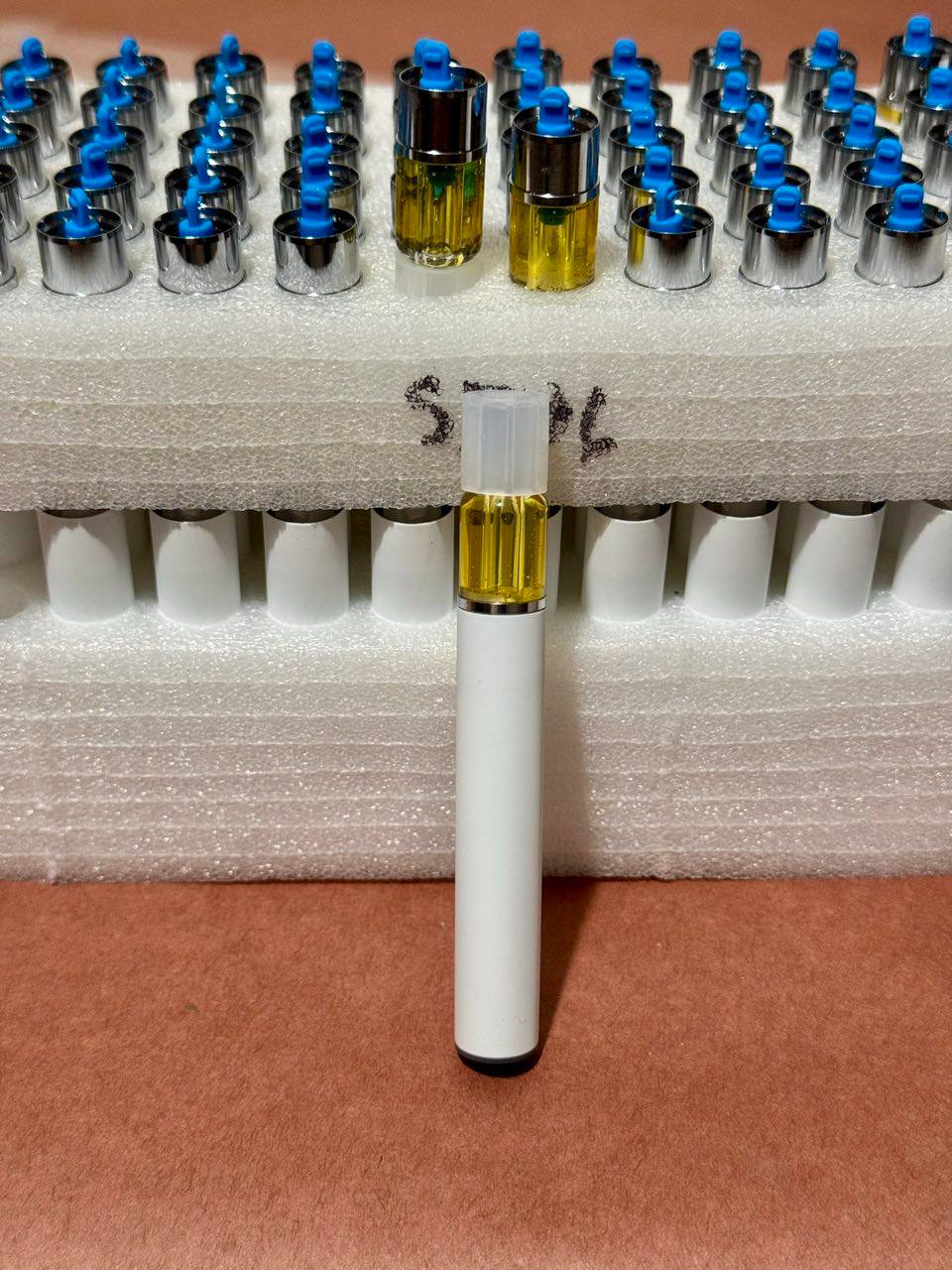

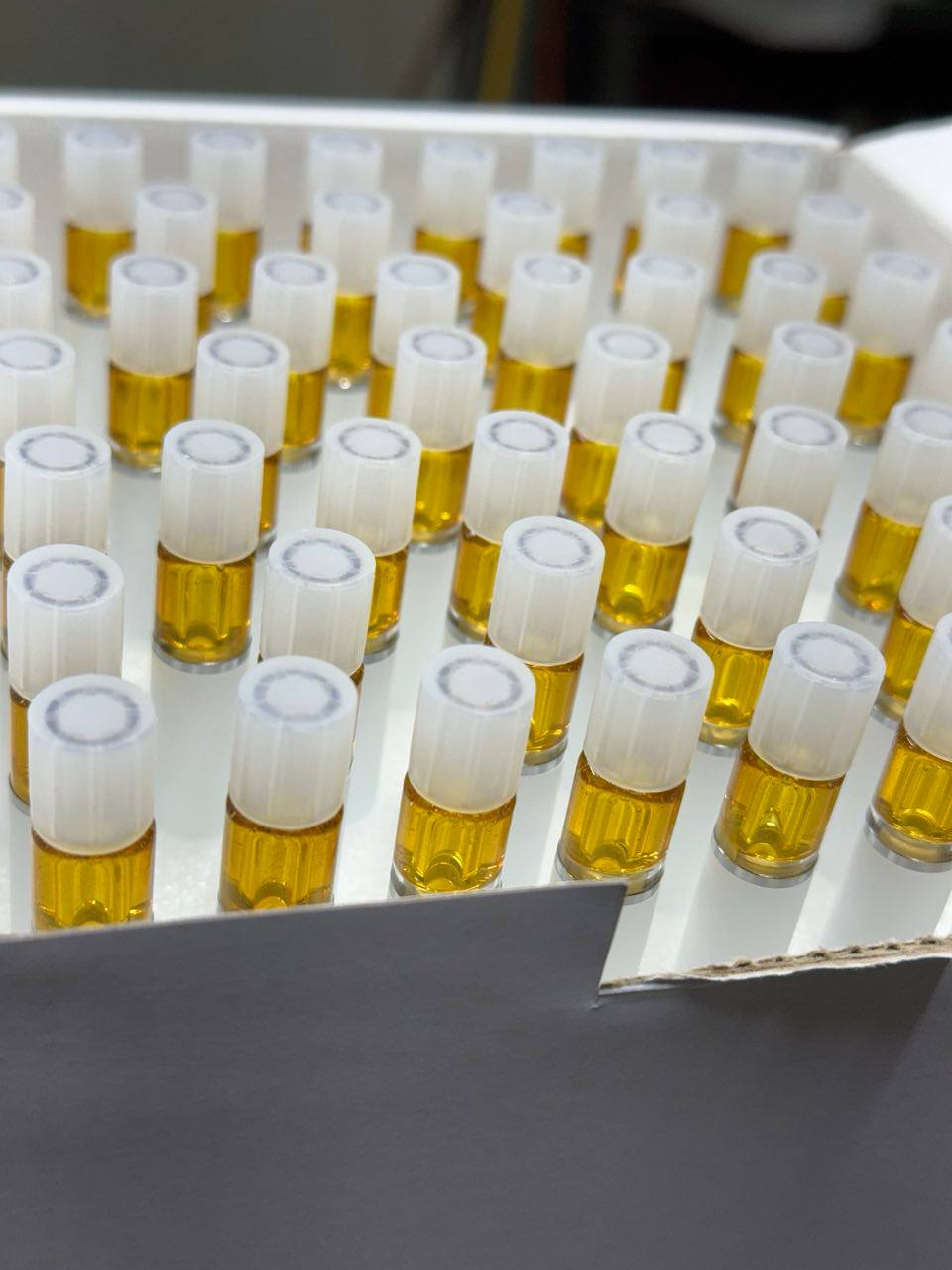
Understanding 90u Live Rosin: A Guide to Micron Quality, Extraction, and Solventless Concentrates
unbranded 90u Live rosin has become one of the most discussed solventless cannabis concentrates due to its purity-focused extraction method and emphasis on plant quality. Among the many terms used in this space, “90u” refers to a specific micron range that plays a key role in texture, yield, and overall consistency. To understand what 90u live rosin means, it helps to break down both the “live rosin” process and the significance of micron sizing.
What Live Rosin Means
Live rosin is a solventless concentrate made using heat and pressure rather than chemical solvents. It begins with fresh-frozen plant material, which preserves volatile compounds that might otherwise degrade during drying and curing.
Because of this approach, live rosin is often associated with:
- Preservation of aromatic compounds
- Solvent-free extraction methods
- Mechanical separation techniques
- Emphasis on starting material quality
Unlike hydrocarbon extracts, live rosin relies entirely on physical processes. Consequently, the final product reflects both the quality of the plant and the precision of the extraction technique.
Understanding the “90u” Micron Size
The term “90u” refers to a 90-micron mesh filter used during the ice water hash process. Microns measure the size of the holes in the filtration bag.
To break it down:
- Lower micron sizes (e.g., 25u–73u) capture finer trichome heads
- Mid-range sizes (like 90u) collect slightly larger trichome structures
- Higher micron ranges (120u+) may include more plant material
The 90u range is often considered a balance point because it can capture mature trichome heads while maintaining reasonable yield and structure.
How 90u Material Is Collected
During ice water extraction, plant material is agitated in cold water so trichomes detach from the plant surface. The mixture is then filtered through progressively sized mesh bags.
In this stage:
- Plant material breaks apart under cold agitation
- Trichomes separate based on density and size
- The 90u bag collects a specific fraction of resin glands
After collection, the material is dried carefully to preserve terpene integrity before pressing into rosin.
Rosin Pressing Process
Once the hash is collected and dried, it is placed into a rosin press. Heat and pressure are applied to squeeze out the resinous oils.
The process typically includes:
- Low-temperature pressing to preserve terpenes
- Controlled pressure application
- Collection of separated rosin oil
As a result, the final extract maintains a strong expression of the original plant’s chemical profile.
Why Micron Size Matters
Micron selection affects several important characteristics:
1. Purity
Smaller micron sizes often reduce plant contamination.
2. Yield
Larger micron ranges may produce higher yields but can include more impurities.
3. Texture
Different micron ranges can influence whether rosin is more sap-like, buttery, or stable.
4. Flavor Profile
Terpene richness can vary depending on which trichome heads are captured.
Therefore, 90u sits in a middle zone that many extractors evaluate for balance between quality and output.
Differences Between 90u and Other Micron Ranges
Compared to lower micron grades, 90u material may contain slightly more mixed trichome structures. However, it can also provide a fuller-bodied extract depending on the cultivar.
Compared to higher micron grades, 90u generally offers:
- Cleaner resin separation
- More consistent texture
- Reduced plant debris
Each micron range serves a different purpose in hash production workflows.
Factors That Influence Final Quality
Several variables affect the outcome of live rosin beyond micron size:
- Genetics of the plant
- Fresh-frozen handling methods
- Ice water agitation time
- Drying conditions of hash
- Press temperature and pressure
Even within the same micron range, results can vary significantly depending on these conditions.
Storage and Stability Considerations
Rosin is sensitive to heat, light, and air exposure. Over time, improper storage may lead to:
- Terpene degradation
- Texture changes
- Oxidation of compounds
Proper storage typically involves cool, dark environments with airtight containment to preserve integrity.
Why Solventless Extraction Is Popular
Solventless methods like rosin pressing have gained attention due to their mechanical approach. Instead of chemical solvents, they rely on physical separation and pressure.
Key reasons for popularity include:
- Minimal processing additives
- Emphasis on plant integrity
- Cleaner extraction perception
- Artisanal production methods
Overview
90u live rosin refers to a solventless extract derived from ice water hash filtered through a 90-micron mesh before being pressed into rosin. It represents a mid-range fraction of trichome material that balances yield and quality characteristics. While results vary depending on technique and plant genetics, the 90u category remains a commonly referenced standard within solventless extraction discussions.
Trichome Biology and Why Micron Separation Works
To understand why a 90u fraction matters, it helps to look at the structure of trichomes themselves. Trichomes are glandular resin heads that contain cannabinoids, terpenes, and other aromatic compounds.
They typically consist of:
- A stalk (support structure)
- A head (resin storage chamber)
- A cuticle layer (protective outer shell)
During ice water separation, these heads detach based on fragility and size. Micron bags act as physical filters that sort trichomes by diameter and integrity. The 90u range often captures mature heads that are large enough to retain structure but not so large that they include excess plant fiber.
Because of this, extractors often view 90u as a “structural sweet spot” where resin quality and yield intersect in a predictable way.
Refinement Stages After Collection
Once 90u hash is collected, it does not immediately become rosin. Several refinement stages typically follow.
1. Drying Phase
The wet hash must be dried carefully to avoid microbial growth and terpene loss. Freeze-drying or controlled air-drying may be used depending on production scale.
During this stage:
- Moisture is gradually removed
- Heat exposure is minimized
- Resin heads are stabilized
2. Curing Phase (Optional)
Some producers allow short curing periods before pressing. This can influence aroma development and texture stabilization.
However, curing is not always used because:
- Terpenes may volatilize over time
- Fresh pressing can preserve brighter profiles
Rosin Press Variables That Shape Output
Even with identical 90u input material, rosin results vary widely due to press settings.
Temperature Control
Lower temperatures generally preserve terpene volatility, while higher temperatures may increase yield.
- Low range: terpene-forward, softer texture
- Mid range: balanced yield and aroma
- High range: higher output, more degradation risk
Pressure Application
Pressure must be evenly distributed to avoid channeling or uneven extraction. Gradual ramping is often preferred over sudden compression.
Time Duration
Press duration affects both clarity and consistency. Short presses may retain more volatile compounds, while longer presses extract more total resin.
Texture Variations in 90u Rosin
Depending on genetics and processing, 90u rosin can appear in several textures:
Badder / Budder
- Creamy consistency
- Often whipped after pressing
- Stable and easy to handle
Sap / Sauce
- More fluid texture
- Higher terpene separation
- Visually glossy appearance
Cold Cure Crystals
- Crystallized THCA structure
- Separated terpene layer
- Often results from post-press curing
These variations are not strictly determined by micron size alone, but 90u material often contributes to consistent starting refinement.
Genetic Influence on 90u Yield and Quality
Plant genetics play a central role in how 90u material performs. Certain cultivars naturally produce:
- Larger trichome heads (better 90u yield)
- Higher resin density
- More stable terpene profiles
Meanwhile, other cultivars may produce smaller or more fragile trichomes that shift yield toward lower micron ranges.
As a result, extractors often trial multiple micron ranges per strain to determine optimal separation zones.
Environmental Factors During Growth
Before extraction even begins, cultivation conditions influence rosin quality significantly.
Key variables include:
- Light intensity during flowering
- Nutrient balance
- Temperature and humidity control
- Harvest timing
For example, plants harvested too early may produce underdeveloped trichomes, while overripe plants may show degraded resin heads that do not perform well in the 90u range.
Yield Efficiency Considerations
Yield is a major factor in how micron ranges are evaluated.
90u material is often considered:
- Moderately efficient in yield output
- More stable than lower micron “full melt” fractions
- More refined than higher micron contaminant-heavy fractions
However, efficiency is not purely numerical. Many producers prioritize quality consistency over maximum extraction weight.
Stability and Shelf Behavior
Over time, rosin can undergo natural changes. In 90u material, these changes depend on terpene content and residual moisture levels.
Common transformations include:
- Nucleation (crystallization of THCA)
- Separation of terpene layers
- Texture firming or drying
Proper post-processing storage slows these processes, maintaining consistency for longer periods.
Industry Use of “90u” as a Quality Reference
Within solventless communities, micron sizes often function as shorthand indicators of expected quality tiers.
90u is frequently referenced as:
- A balanced extraction fraction
- A versatile input range
- A dependable midpoint in hash grading systems
However, it is important to note that micron size alone does not define quality. Two 90u batches from different plants can differ significantly in aroma, potency perception, and texture.
Common Misconceptions About 90u Rosin
Several misunderstandings appear frequently in discussions:
Misconception 1: “Higher micron always means lower quality”
Not necessarily true. Some cultivars produce excellent resin in higher micron ranges.
Misconception 2: “90u is universally best”
Quality is strain-dependent. No single micron range is optimal for all genetics.
Misconception 3: “Rosin is identical across all presses”
Press technique, temperature, and post-processing dramatically influence final output.
Broader Context in Solventless Extraction
90u live rosin sits within a broader ecosystem of solventless production that includes:
- Bubble hash (multi-micron separation)
- Full-spectrum rosin (combined micron fractions)
- Single-source rosin (strain-specific extraction)
- Cold cure processing techniques
Each method emphasizes different aspects of resin preservation, but all rely on mechanical separation rather than chemical solvents.
Summary Expansion
The term “90u live rosin” refers to a specific fraction of ice water hash filtered through a 90-micron screen before being pressed into solventless resin. Its significance lies not in branding, but in how it represents a controlled separation point within trichome grading.
When evaluated scientifically, 90u material reflects a balance of:
- Structural trichome integrity
- Moderate yield efficiency
- Consistent press behavior
- Variable but often stable terpene expression
As a result, it remains a widely studied and frequently utilized range in solventless extraction workflows.
Hash Grading Systems and Where 90u Fits
In solventless extraction workflows, micron size is only one layer of a broader grading system. Professionals often evaluate hash and rosin using a combination of physical behavior, melt quality, and visual characteristics.
A simplified grading approach may include:
- Full-melt fractions: cleaner trichome heads, minimal plant contamination
- Partial-melt fractions: mixed resin heads with slight impurities
- Food-grade fractions: heavier plant presence, lower melt performance
Within this framework, 90u material is typically treated as a transition zone. It may behave like full-melt in some cultivars while leaning toward partial-melt in others. This variability is why many extractors test multiple washes before finalizing a strain’s optimal collection window.
Melt Behavior and Functional Assessment
One of the most practical ways professionals assess 90u hash before pressing is by observing melt behavior on a heated surface.
Common observations include:
- Clean melt: resin liquefies evenly with minimal residue
- Greasy melt: oil release is strong but leaves slight residue
- Staining melt: visible plant matter remains after heating
90u fractions can fall into any of these categories depending on plant genetics and processing precision. This is why micron size alone cannot guarantee functional quality.
Chemical Profile Variability in 90u Material
Even within the same strain, different micron fractions may show subtle differences in chemical composition.
Factors influencing this include:
- Trichome maturity stage at harvest
- Resin head size distribution
- Mechanical stress during washing
- Oxidation exposure during handling
As a result, terpene profiles can shift slightly between 73u, 90u, and 120u fractions. Some producers report that mid-range fractions like 90u tend to express a broader terpene “base,” while finer fractions may concentrate more volatile top notes.
Post-Press Chemistry Changes
After pressing, rosin continues to evolve chemically over time. This process is often referred to as post-extraction transformation.
Key changes include:
Nucleation
Certain compounds begin forming crystalline structures, especially THCA-rich matrices. This can lead to grainy or “sugar-like” textures.
Phase Separation
Terpenes may separate from cannabinoid-rich fractions, creating layered or saucy consistency.
Polymerization
Minor molecular bonding changes may affect viscosity and stability.
These processes occur naturally and are influenced by storage temperature, humidity, and initial plant composition.
Microbial and Contaminant Control in Hash Production
Because live rosin begins with fresh-frozen plant material, microbial control is a critical consideration throughout processing.
Risk points include:
- Fresh plant storage before freezing
- Ice water agitation environment
- Drying phase after hash collection
To reduce contamination risks, producers often rely on:
- Rapid freezing after harvest
- Sanitized ice water systems
- Controlled drying chambers
Although 90u fractions are not inherently cleaner or dirtier than other micron ranges, they are often handled with particular care due to their central role in many “premium” hash batches.
Equipment Influence on 90u Output
Equipment selection can significantly impact how 90u material performs.
Washing Machines
Automated washers provide consistent agitation but may break trichomes differently compared to hand-washing methods.
Mesh Bag Quality
Durability and pore consistency directly affect separation accuracy. Poorly calibrated mesh can blur micron boundaries.
Press Plate Design
Heat distribution across plates influences how evenly 90u hash converts into rosin.
Even small variations in equipment can lead to noticeable differences in final output, even when the same input material is used.
Process Consistency Challenges
One of the biggest challenges in solventless extraction is maintaining repeatability. Unlike synthetic extraction methods, solventless workflows depend heavily on biological variability.
Key inconsistencies include:
- Seasonal plant differences
- Slight genetic expression shifts
- Environmental stress during growth
- Manual handling variability
Because of this, 90u rosin from one batch is not guaranteed to behave identically to another batch, even under controlled conditions.
Why Extractors Still Use Micron Labels
Despite variability, micron labeling remains widely used because it provides:
- A standardized communication system
- A rough predictor of trichome size distribution
- A workflow organization method for multi-bag washes
In practice, micron labels function more like sorting categories than strict quality grades. The 90u designation helps extractors quickly identify where a material sits in the separation spectrum.
Broader Scientific Perspective
From a materials science viewpoint, trichome separation is a particle sorting problem influenced by:
- Density differences
- Structural integrity
- Fluid dynamics in ice water agitation
Micron filters act as mechanical classifiers rather than chemical selectors. This makes solventless extraction fundamentally a physical separation process rather than a compositional one.
Summary of Key Technical Insights
90u live rosin represents:
- A mid-range trichome separation fraction
- A mechanically filtered resin category defined by mesh size
- A variable-quality input influenced more by biology than geometry
Its behavior depends on interacting systems rather than a single measurable factor. These systems include plant genetics, processing method, equipment precision, and post-extraction handling.



Reviews
There are no reviews yet.