OG Cake Wax Concentrate: Product Information Guide
Overview
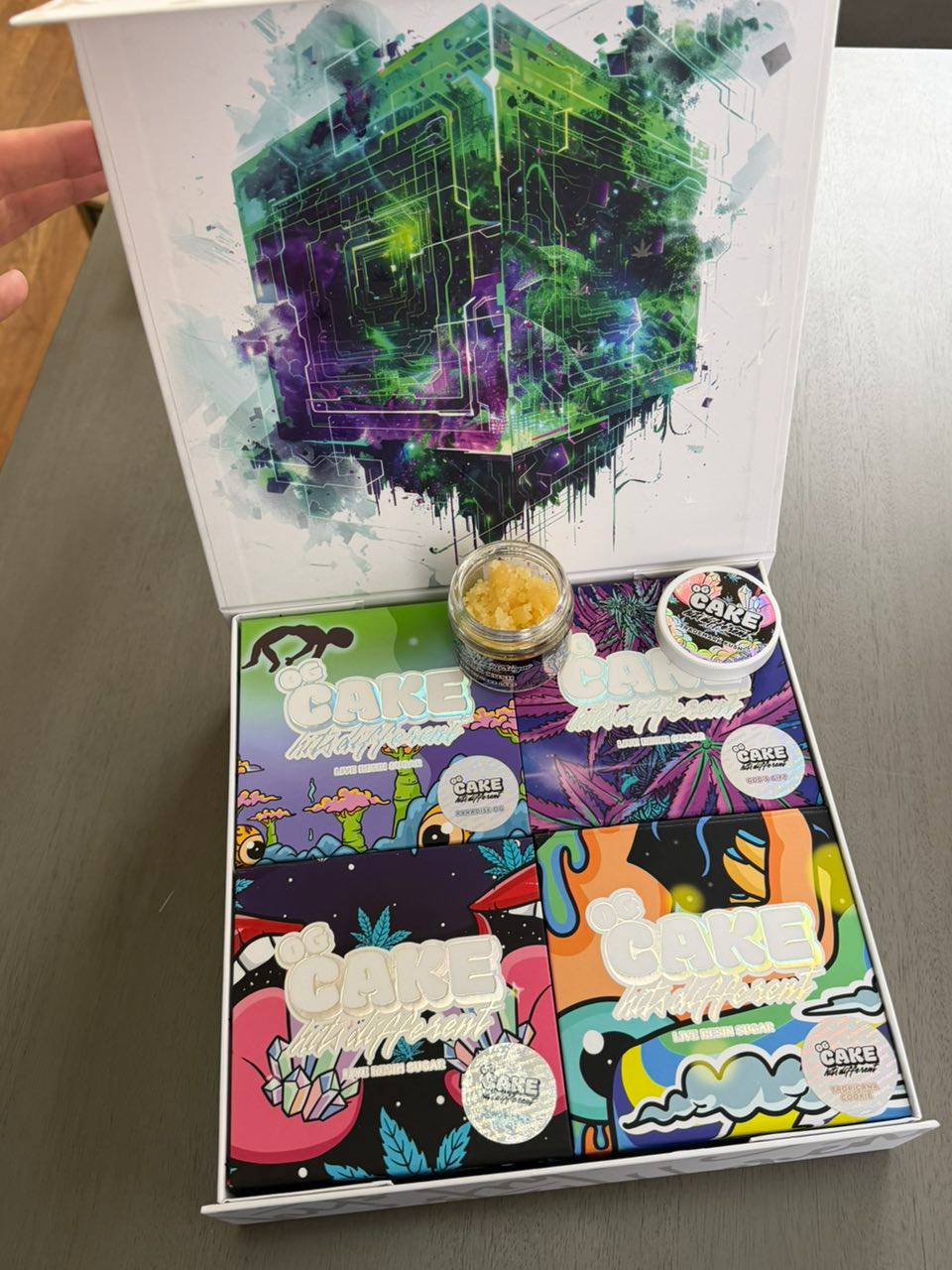
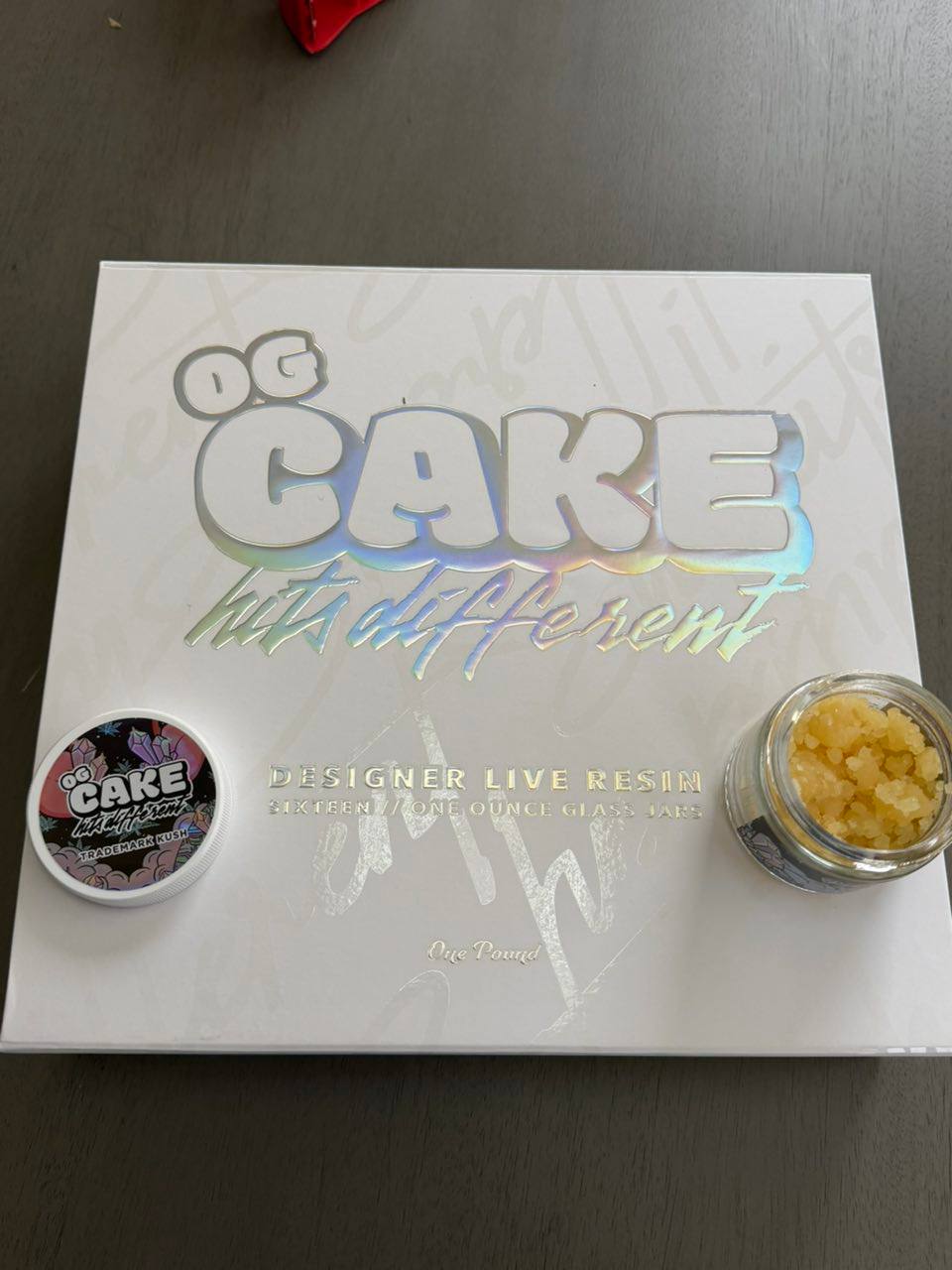
OG Cake Wax Hits Different is a cannabis concentrate commonly associated with the OG Cake cultivar family. As a wax-style extract, it is characterized by a soft, opaque texture that differs from other concentrate formats such as shatter, live resin, sauce, or diamonds. The product is typically created through an extraction and refinement process that isolates cannabinoids, terpenes, and other naturally occurring compounds found in cannabis plant material.
The term “wax” refers primarily to the concentrate’s consistency rather than a specific extraction technique. Depending on the manufacturer, OG Cake Wax may vary in appearance, cannabinoid content, terpene composition, and overall chemical profile. Product specifications can differ significantly between production batches and brands.
Cannabis concentrates have become a distinct category within the legal cannabis industry due to their concentrated cannabinoid content and diverse extraction methods. OG Cake Wax represents one example of a concentrate that combines characteristics commonly associated with OG genetics and cake-related cultivars.
Product Classification
OG Cake Wax belongs to the cannabis concentrate category. Concentrates are products that contain higher levels of cannabinoids and terpenes than unprocessed cannabis flower. Through extraction and purification, desirable compounds are separated from plant material and concentrated into a smaller volume.
Wax concentrates are generally identified by:
- Soft, pliable texture
- Opaque or semi-opaque appearance
- Concentrated cannabinoid content
- Distinct terpene profile
- Extracted form of cannabis
Unlike dried flower products, wax concentrates undergo additional processing before reaching the final form. The resulting texture may range from creamy and buttery to crumbly, depending on manufacturing techniques and storage conditions.
Origin of the OG Cake Name
The name “OG Cake” is commonly used within cannabis cultivation and breeding communities to describe cultivars that may combine characteristics associated with OG varieties and cake-inspired genetics. However, naming conventions can vary among producers, and there is no universal standard governing the use of strain names in all jurisdictions.
As a result, products labeled as OG Cake Wax may not be chemically identical across different manufacturers. Consumers should review laboratory testing results and ingredient disclosures when available to understand the specific composition of a product.
Appearance and Texture
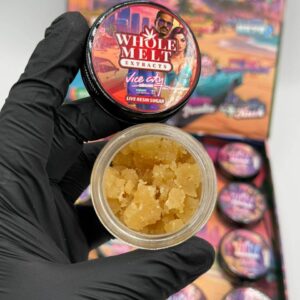
OG Cake Wax is generally recognized by its wax-like consistency. The texture may be influenced by extraction techniques, post-processing methods, temperature exposure, and terpene content.
Common visual characteristics include:
- Light golden coloration
- Amber tones
- Pale yellow appearance
- Creamy consistency
- Soft or slightly crumbly texture
Variations in appearance do not necessarily indicate quality differences. Factors such as extraction method, cultivar characteristics, storage conditions, and production standards can all influence the final look of the concentrate.
Changes in texture may occur over time as terpenes evaporate or environmental conditions fluctuate. Temperature exposure can affect consistency, causing the product to become softer or firmer.
Extraction and Manufacturing
Cannabis wax products are produced through extraction processes designed to separate cannabinoids and terpenes from plant material. Manufacturers may utilize different techniques depending on regulatory requirements, equipment availability, and desired product characteristics.
General production stages may include:

Extraction
Plant compounds are removed using an approved extraction method. Common approaches within the cannabis industry include hydrocarbon extraction, carbon dioxide extraction, and solventless techniques.
Purification
The extract is refined to remove unwanted materials such as plant waxes, lipids, chlorophyll, and residual compounds.
Post-Processing
Manufacturers may apply controlled temperature and pressure conditions to achieve the desired wax consistency.
Testing
In regulated markets, laboratory analysis may be performed to evaluate cannabinoid content, terpene composition, residual solvents, microbial contamination, heavy metals, and pesticide residues.
The specific production workflow varies among manufacturers and regulatory jurisdictions.
Cannabinoid Profile
The cannabinoid composition of OG Cake Wax depends on the cultivar used during extraction and the processing methods employed.
Potential cannabinoids that may be present include:
- THC (tetrahydrocannabinol)
- CBD (cannabidiol)
- CBG (cannabigerol)
- CBC (cannabichromene)
- CBN (cannabinol)
Concentrate products often contain substantially higher cannabinoid concentrations than dried cannabis flower. Exact percentages can only be determined through laboratory testing.
Consumers should consult product-specific certificates of analysis when available. Laboratory reports provide information regarding cannabinoid content and overall chemical composition.
Terpene Composition
Terpenes are aromatic compounds naturally found in cannabis and many other plant species. They contribute to aroma, fragrance, and chemical diversity.
OG Cake Wax may contain varying concentrations of terpenes such as:
Myrcene
Myrcene is one of the most frequently detected cannabis terpenes. It is also found in hops, mangoes, and lemongrass.
Caryophyllene
Caryophyllene occurs naturally in black pepper, cloves, and cannabis. It contributes a spicy or pepper-like aroma.
Limonene
Limonene is commonly associated with citrus fruits and may contribute bright aromatic notes.
Humulene
Humulene is present in hops and certain aromatic herbs.
Linalool
Linalool is found in lavender and various flowering plants.
The relative concentration of these compounds varies between batches and producers. Terpene analysis can provide insight into a product’s aromatic profile.
Aroma Characteristics
Descriptions of aroma are subjective and can vary among individuals. Depending on terpene composition, OG Cake Wax may exhibit combinations of the following characteristics:
- Earthy notes
- Sweet aromas
- Herbal elements
- Citrus undertones
- Peppery accents
- Pine-like characteristics
- Vanilla-like nuances
- Baked dessert-inspired aromas
These descriptions are intended to characterize scent profiles rather than predict user experiences.
Storage Recommendations
Proper storage helps preserve product consistency and chemical stability.
General storage considerations include:
- Store in a cool environment
- Avoid excessive heat exposure
- Minimize direct sunlight
- Keep containers tightly sealed
- Reduce unnecessary air exposure
- Follow manufacturer storage instructions
Exposure to heat, oxygen, and light can influence cannabinoid stability and terpene retention over time.
Packaging
Packaging formats differ by manufacturer and jurisdiction. Common packaging components may include:
- Glass concentrate containers
- Child-resistant closures
- Product identification labels
- Batch numbers
- Laboratory testing information
- Regulatory warnings
In regulated markets, packaging requirements often include safety disclosures and compliance information.
Laboratory Testing
Laboratory testing serves as an important quality-control measure within legal cannabis markets.
Testing may evaluate:
- Cannabinoid concentration
- Terpene profile
- Residual solvents
- Pesticides
- Heavy metals
- Microbial contaminants
- Moisture content
Certificates of analysis are frequently provided by licensed producers and independent laboratories.
Regulatory Considerations
Cannabis laws differ significantly among countries, states, provinces, and municipalities.
Before purchasing, possessing, transporting, or using cannabis products, individuals should review applicable local regulations. Legal requirements may govern:
- Age restrictions
- Licensing requirements
- Possession limits
- Product categories
- Transportation rules
- Consumption restrictions
Compliance obligations vary by jurisdiction.
Safety Information
Cannabis concentrates contain concentrated levels of cannabinoids and should be handled responsibly in accordance with applicable laws and regulations.
General safety considerations include:
- Keep products away from children and pets.
- Follow all local laws and regulations.
- Review laboratory testing information when available.
- Store products in secure locations.
- Avoid using products that show signs of contamination or improper storage.
- Consult a healthcare professional regarding potential interactions with medications or medical conditions.
Individuals who are pregnant, nursing, or managing health conditions should seek professional medical guidance before using cannabis products.
Conclusion
OG Cake Wax is a cannabis concentrate known for its wax-like consistency and concentrated cannabinoid and terpene content. The product’s characteristics depend on cultivation practices, extraction methods, laboratory testing results, and manufacturing standards. Because formulations can vary among producers, product-specific testing data provides the most accurate information regarding composition, potency, and quality metrics.
As with any cannabis-derived product, understanding the source, laboratory results, storage requirements, and applicable legal framework is important for informed decision-making. This informational overview is intended to provide general educational context regarding OG Cake Wax concentrate and its place within the broader cannabis concentrate category.
Additional Information About OG Cake Wax Concentrate
Comparison With Other Concentrate Types
Cannabis concentrates are available in several forms, each with distinct physical characteristics and production methods. Understanding these differences can provide useful context when evaluating OG Cake Wax within the broader concentrate category.
Wax
Wax concentrates are known for their soft, pliable texture. They are typically easy to portion and may range from creamy to crumbly depending on terpene content and post-processing techniques.
Shatter
Shatter generally has a glass-like appearance and a brittle consistency. It often breaks into pieces when handled and is usually more transparent than wax products.
Budder
Budder concentrates are whipped during processing, resulting in a smooth, butter-like texture. They often contain a rich terpene profile and appear opaque.
Crumble
Crumble products have a dry, porous structure that breaks apart easily. Their texture results from lower moisture content and specific processing conditions.
Live Resin
Live resin is produced using freshly harvested plant material that is frozen prior to extraction. This process is intended to preserve volatile aromatic compounds present in the plant at harvest.
Sauce and Diamonds
These concentrates often contain cannabinoid crystals suspended in terpene-rich liquid. Their appearance differs significantly from traditional wax products.
While OG Cake Wax belongs to the wax category, manufacturing methods can influence whether the final product more closely resembles budder, crumble, or other concentrate textures.
Factors That Influence Product Characteristics
Several variables contribute to the final composition of a cannabis concentrate.
Genetics
The cultivar used during cultivation influences cannabinoid and terpene production. Different genetic backgrounds may produce varying chemical profiles even when grown under similar conditions.
Growing Conditions
Environmental factors such as light exposure, nutrient availability, temperature, and humidity can affect plant development and chemical composition.
Harvest Timing
The stage at which cannabis plants are harvested may influence cannabinoid ratios and terpene concentrations.
Extraction Technique
Different extraction methods can preserve or remove varying amounts of plant compounds. As a result, extraction technology often plays a significant role in determining final product characteristics.
Storage Conditions
Environmental exposure after production can alter aroma, texture, and chemical stability over time.
Understanding Certificates of Analysis
Many regulated cannabis markets require laboratory testing before products are offered for sale. Results are typically presented in a Certificate of Analysis (COA).
A COA may include:
- Total THC percentage
- Total CBD percentage
- Minor cannabinoid content
- Terpene analysis
- Heavy metal screening
- Pesticide testing
- Residual solvent testing
- Microbial safety assessment
Consumers often use these reports to verify product information and confirm regulatory compliance.
The Role of Terpenes in Cannabis Products
Terpenes are naturally occurring aromatic molecules found throughout the plant kingdom. They contribute to the distinctive scents associated with many fruits, herbs, flowers, and cannabis cultivars.
Researchers continue to investigate terpene functions and interactions within plant systems. In cannabis products, terpene analysis provides useful information regarding aromatic composition and chemical diversity.
Common terpene categories include:
Fruity Terpenes
Associated with sweet, berry-like, tropical, or citrus aromas.
Earthy Terpenes
Frequently linked to soil-like, woody, or herbal scent characteristics.
Floral Terpenes
Commonly associated with lavender, rose, and other flower-inspired aromas.
Spicy Terpenes
Often characterized by peppery, clove-like, or herbal notes.
The specific terpene profile of OG Cake Wax varies according to the source material and production process.
Shelf Life Considerations
Cannabis concentrates do not remain chemically identical indefinitely. Over time, environmental factors can influence cannabinoid and terpene stability.
Variables affecting shelf life include:
- Temperature fluctuations
- Oxygen exposure
- Ultraviolet light
- Humidity levels
- Packaging quality
- Frequency of container opening
Although properly stored concentrates may remain stable for extended periods, manufacturers generally recommend following package guidance regarding storage and usage timelines.
Industry Quality Standards
Legal cannabis markets often establish manufacturing standards designed to improve product consistency and consumer safety.
Quality-control programs may include:
- Facility inspections
- Batch tracking systems
- Product testing requirements
- Recordkeeping standards
- Packaging regulations
- Labeling requirements
Requirements differ among jurisdictions, and compliance obligations vary according to local law.
Common Product Label Information
Product labels may contain information such as:
- Product name
- Net weight
- Batch number
- Production date
- Expiration date
- Cannabinoid percentages
- Terpene content
- Manufacturer information
- Regulatory warnings
Reviewing label information can help consumers understand the contents and origin of a specific product.
Research and Ongoing Development
Cannabis science continues to evolve as researchers investigate cannabinoids, terpenes, cultivation techniques, extraction technologies, and analytical testing methods.
Areas of ongoing study include:
- Cannabinoid chemistry
- Terpene characterization
- Extraction efficiency
- Product stability
- Agricultural practices
- Quality-control methodologies
As scientific knowledge expands, industry standards and manufacturing approaches may continue to develop.
Summary
OG Cake Wax is a cannabis concentrate distinguished by its wax-like consistency and concentrated chemical profile. Its characteristics are influenced by genetics, cultivation methods, extraction procedures, and storage conditions. Laboratory testing provides the most reliable source of information regarding cannabinoid content, terpene composition, and product safety.
Understanding these factors allows readers to place OG Cake Wax within the broader category of cannabis concentrates while maintaining an objective, informational perspective. Because regulations, formulations, and production standards vary, product-specific documentation remains the most accurate source of detailed information.
Extended Reference Guide: OG Cake Wax Concentrate
Historical Development of Cannabis Concentrates
Cannabis concentrates have existed in various forms for centuries. Traditional methods of collecting resin from cannabis plants were practiced in different regions of the world long before modern extraction technologies emerged. Over time, advancements in processing equipment and laboratory techniques led to the development of a broader range of concentrate products.
Modern wax concentrates represent one branch of this evolution. Improvements in extraction methods have enabled manufacturers to produce products with more consistent cannabinoid concentrations and terpene profiles. Regulatory oversight in legal markets has also contributed to standardized testing procedures and quality-control practices.
The emergence of wax products reflects broader industry trends toward specialization, product diversification, and enhanced analytical testing. Today, consumers may encounter numerous concentrate formats, each distinguished by texture, appearance, and chemical composition.
Physical Properties of Wax Concentrates
The physical structure of a wax concentrate results from several interacting variables. Manufacturers often adjust processing conditions to achieve specific consistencies and textures.
Important physical characteristics include:
Consistency
Wax products generally display a semi-solid consistency. Depending on composition, they may range from soft and creamy to dense and crumbly.
Color
Color may vary from pale yellow to deep amber. Differences in coloration can result from cultivar selection, extraction conditions, terpene content, and refinement procedures.
Stability
The stability of a concentrate refers to its ability to maintain texture and chemical composition under normal storage conditions. Environmental factors can influence this stability over time.
Viscosity
Viscosity describes resistance to flow. Some wax products exhibit greater firmness, while others remain relatively soft and malleable.
These properties may vary among production batches even when the same cultivar is used.
Understanding Cannabinoids
Cannabinoids are naturally occurring compounds produced by cannabis plants. Researchers have identified more than one hundred cannabinoids, although only a smaller number have been extensively studied.
THC
Tetrahydrocannabinol, commonly abbreviated as THC, is among the most widely recognized cannabinoids. Concentrate products may contain elevated THC levels compared with traditional cannabis flower.
CBD
Cannabidiol, known as CBD, is another major cannabinoid found in cannabis plants. The concentration of CBD varies significantly among cultivars and product formulations.
CBG
Cannabigerol, or CBG, is often described as a precursor cannabinoid because other cannabinoids develop from its chemical pathways during plant growth.
CBC
Cannabichromene, abbreviated CBC, occurs naturally in cannabis and may appear in varying concentrations depending on cultivar genetics.
CBN
Cannabinol, or CBN, may develop as THC undergoes natural degradation over time.
The relative presence of these cannabinoids contributes to a product’s overall chemical profile.
Analytical Testing Technologies
Modern cannabis testing laboratories employ sophisticated instruments to evaluate product composition.
Common technologies include:
High-Performance Liquid Chromatography (HPLC)
HPLC is widely used to quantify cannabinoid concentrations. This method allows laboratories to analyze compounds without exposing samples to high temperatures.
Gas Chromatography (GC)
Gas chromatography may be used to analyze terpene content and certain residual compounds.
Mass Spectrometry
Mass spectrometry helps identify specific chemical substances present within a sample.
Microbiological Screening
Laboratories may conduct microbial testing to detect bacteria, mold, yeast, and other contaminants.
Heavy Metal Analysis
Testing programs often include screening for metals such as lead, mercury, cadmium, and arsenic.
These analytical tools help establish product specifications and support regulatory compliance efforts.
Packaging Materials and Product Preservation
Packaging serves multiple functions within the cannabis industry. Beyond simple containment, packaging contributes to product preservation, regulatory compliance, and consumer safety.
Common packaging materials include:
Glass Containers
Glass remains a popular option because it provides a stable storage environment and resists chemical interactions with concentrate products.
Silicone Containers
Some concentrate products are stored in food-grade silicone containers designed for ease of handling.
Child-Resistant Packaging
Many jurisdictions require child-resistant packaging to reduce accidental access.
Tamper-Evident Features
Tamper-evident seals help indicate whether packaging has been opened prior to purchase.
Packaging selection may influence long-term product stability and storage performance.
Environmental Factors Affecting Concentrates
Environmental conditions play an important role in preserving concentrate quality.
Heat
Elevated temperatures can accelerate changes in texture and contribute to terpene loss.
Light
Ultraviolet light exposure may affect cannabinoid stability over time.
Oxygen
Oxidation can alter the chemical composition of cannabis products during prolonged storage.
Moisture
Excess moisture may increase the risk of contamination and affect consistency.
Manufacturers typically recommend storing concentrates in controlled environments to minimize exposure to these factors.
Industry Terminology
Cannabis concentrate products are often described using specialized terminology.
Terpene Profile
A terpene profile refers to the specific combination and concentration of aromatic compounds present in a product.
Cannabinoid Spectrum
This term describes the range of cannabinoids detected within a sample.
Batch Number
A batch number identifies a specific production run and supports product traceability.
Potency
Potency generally refers to cannabinoid concentration as determined through laboratory analysis.
Extraction Yield
Extraction yield measures the amount of concentrate produced from a given quantity of source material.
Understanding these terms can improve interpretation of product labels and laboratory reports.
Agricultural Considerations
The quality of source material influences concentrate production outcomes.
Cultivators may monitor:
- Soil composition
- Nutrient management
- Irrigation practices
- Pest-control programs
- Environmental conditions
- Harvest timing
These agricultural factors contribute to plant development and chemical composition before extraction occurs.
Regulatory Evolution
Cannabis regulations continue to evolve across different jurisdictions. Regulatory frameworks often address:
- Product testing requirements
- Manufacturing standards
- Labeling obligations
- Packaging specifications
- Distribution controls
- Advertising restrictions
- Age-verification procedures
As legal frameworks develop, industry participants frequently adapt operational practices to maintain compliance.
Future Trends in Concentrate Manufacturing
Ongoing innovation continues to influence concentrate production.
Areas receiving attention include:
- Improved extraction efficiency
- Enhanced terpene preservation
- Advanced purification techniques
- Expanded testing capabilities
- Sustainable production methods
- Automated manufacturing systems
Researchers and manufacturers continue to explore methods that improve consistency, transparency, and product characterization.
Final Overview
OG Cake Wax represents one example of a cannabis concentrate formulated from cannabis-derived cannabinoids and terpenes. Its texture, appearance, aroma profile, and chemical composition are influenced by numerous variables, including genetics, cultivation conditions, extraction techniques, refinement procedures, and storage practices.
Because product formulations vary among manufacturers and batches, laboratory testing remains the most reliable source of information regarding composition and quality metrics. Consumers, researchers, and industry observers often rely on certificates of analysis, regulatory disclosures, and manufacturer documentation to understand the characteristics of a specific concentrate product.
This reference guide is intended to provide objective educational information about OG Cake Wax and related concentrate concepts without promoting purchase, consumption, or specific product claims.

Reviews
There are no reviews yet.